

Innovation in Prosthetic Technology: A New Era
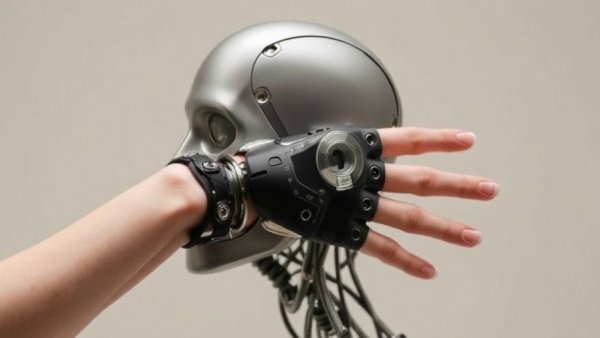
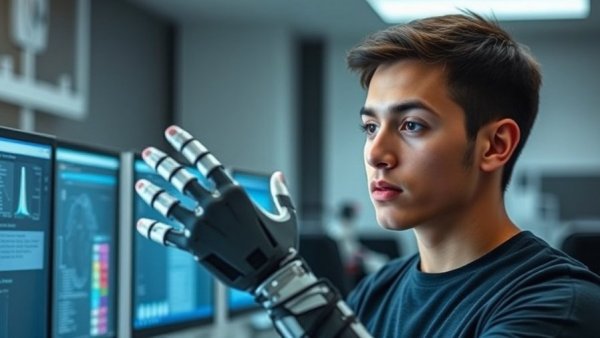
Advancements in prosthetic technology are not only helping individuals regain physical capabilities but are also offering unique insights into the human mind and its adaptability. Avi Davidson's ongoing trial with a cutting-edge prosthetic hand illuminates the intersection of biotechnology and neuroscience. Following a devastating accident in his teen years that left him paralyzed and without a left hand, Avi’s journey is compelling. He now participates in a clinical trial at the University of Utah, using a prosthetic hand that interfaces directly with his nerve endings.
Breaking Barriers: Personal Experience Meets Technological Advancements
Avi’s experience exemplifies the evolution of prosthetics from mere appendages to complex interfaces that incorporate the user's neurological feedback. Unlike traditional prosthetics, which often provide limited functionality, Avi's device grants him the ability to move and perceive sensations akin to those of a biological hand. This revolutionary integration comes with challenges; Avi requires extensive training, frequently dedicating time to physical therapy amidst his demanding career as a trauma therapist. His outlook, however, remains imbued with positivity: “I do not regret what has come from [the accident], or the fact that it happened...” He embraces the role of a pioneer, contributing to advancements that could significantly help future users.
What the Research Uncovers: Insights into Human Cognition
This clinical trial isn’t just about physical rehabilitation; it's a rare opportunity for scientists to explore how advanced prosthetics might modify brain representations of missing limbs. Prior to the trial, comprehensive brain scans revealed how Avi's brain processed his missing hand. The ongoing research seeks to understand whether consistent use of the bionic limb will alter this neural representation and, more intriguingly, how it will impact those born without limbs in the long run. Will their brains adapt similarly to those of amputees using prosthetics?
Future Directions: Exploring Uncharted Territories
As researchers navigate the complexities of human adaptation to advanced prosthetics, they are also met with unexpected findings. For instance, Avi reports sensations of soreness and stiffness in his prosthetic wrist, echoing the feelings one might experience in a biological limb. He’s discovered that simple stretching can alleviate this discomfort, highlighting a path for further study into the physical and cognitive interactions with such technologies. These insights have potential implications spanning from enhancements in design to advancements in user experiences.
Call to Action: Engage with Emerging Innovations in Biotechnology
As this field rapidly progresses, staying informed about the latest developments in biotechnology and prosthetic innovation is crucial for professionals across various sectors. If you are looking to integrate these technological advancements into your strategic frameworks, you can engage with experts and explore further insights through discussions and consultations. Connect here.
Conclusion: The Broader Impact on Technology and Policy
As we witness breakthroughs in prosthetics that go beyond utility, the implications for technology, neuroscience, and animal cognition will be profound. Avi's story is just one example of how human resilience and technological innovation can combine to foster new avenues of understanding about ourselves. With trials like these paving the way, the possibilities in both personal rehabilitation and broader technological applications are limitless.


Write A Comment