

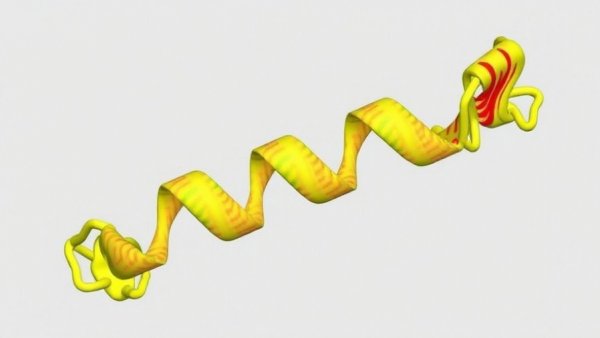
Understanding the Breakthrough: What GPT-6.2 Achieved in Protein Design
OpenAI’s GPT-6.2 has made significant strides in the realm of protein design, successfully generating proteins that bound to various biological targets with surprising efficacy. However, the notable achievement of getting 35 out of 322 designed proteins to successfully bind their intended targets—a battering average of about 10.9%—calls for cautious optimism among biotech teams.
These proteins were crafted to interact specifically with targets frequently associated with cancer and immune disorders, including PD-L1, IL-7Rα, TrkA, VEGF-A, and IL-17A. Out of the tested proteins, IL-17A yielded the highest success rate, comprising 18 of the 35 successful binders, while TrkA had only a single successful candidate.
Decoding the 10.9% Success Rate
The intriguing 10.9% success rate isn't as straightforward as it seems. This statistic pertains to proteins that were selected for testing with assistance from specialized AI tools, which means the odds are stacked in favor of success. In contrast, the original designs produced by GPT-6.2, which were not necessarily filtered through specialized tools, could yield a more varied success rate.
A deeper analysis reveals that GPT-6.2 might be better suited for improving existing proteins than for generating viable new designs outright. For instance, in redesign tasks, the success rate skyrocketed to 85% for MDM2 when existing structures were referenced, while it dropped significantly for VEGA-A and PD-1. This indicates potential strengths and limitations in how GPT-6.2 can be employed in biopharmaceutical research.
AI's Role in Biotech: Supplementing, Not Replacing
Despite the promising results, it’s essential for biotech leaders to recognize that GPT-6.2's capabilities are not a catch-all solution. The reliance on additional specialized tools, like SolubleMPNN for amino acid sequencing, highlights that GPT-6.2 serves best as a complimentary technology rather than a standalone asset in the protein design workflow.
OpenAI's emphasis on this distinction is crucial as companies explore AI integration. A holistic view is required when assessing technology; understanding where GPT-6.2 can augment existing workflows will dictate its overall utility and value in drug discovery processes.
The Implications for Future Drug Discovery
The promising implications of GPT-6.2’s performance in protein design aren’t just about the success metrics; they also bring forward considerations for future biotechnology innovations. Companies poised to leverage AI in drug discovery must weigh their workflow against these emerging technologies and consider how models like GPT-6.2 can fit into their cases. With the potential for integrating AI-driven protein design mechanisms, organizations can streamline processes that traditionally demand extensive time and resources.
Furthermore, the enhanced molecular docking success rate, with GPT-6.2 achieving a 93% accuracy in predicting molecular positions—significantly higher than the 50% achieved by specialized tools like DiffDock-L—marks a forward step that can reshape research methodologies and outcomes. This contrast highlights the importance of holistic evaluations when comparing tools in the arena of AI-assisted drug discovery.
Final Thoughts: Moving Forward with AI in Biotechnology
As executives and decision-makers in biotech evaluate the integration of AI technologies, the insights drawn from GPT-6.2's testing present both opportunities and challenges. Understanding how to navigate the balance of general-purpose AI with targeted tools will be paramount in harnessing its full potential while recognizing its limitations.
For organizations looking to remain competitive and innovative within this rapidly advancing landscape, leveraging lessons from GPT-6.2 could provide a foundation for future research initiatives. With a strategic approach to biotech innovations, companies can ultimately realize breakthroughs that not only enhance their research capabilities but also contribute to the advancement of effective drug therapies.
Understanding how to incorporate emerging technologies like GPT-6.2 into existing frameworks is essential for future-proofing operations within the biotechnology sector. To explore how these insights can be applied to refine your approach in this evolving field, connect with our experts today.



Write A Comment