

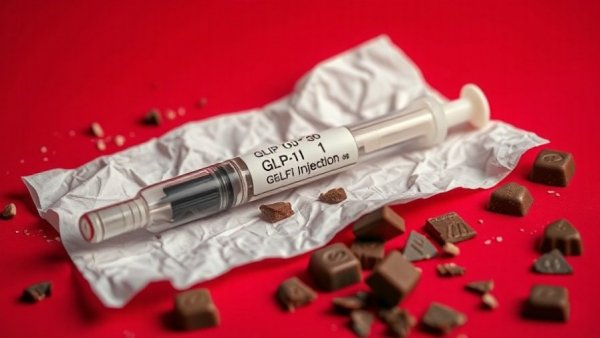
GLP-1 in a New Chocolate Form: A Game Changer for Weight Management
The unveiling of Melt, a chocolate version of GLP-1 medication, represents an innovative crossover of health science and culinary delight. This new product allows users to consume orforglipron—an active component found in Eli Lilly's prescription weight-loss pill, Foundayo—through a sweet treat. Unlike conventional medications that can involve uncomfortable injections, this chocolate aims to ease accessibility for patients hesitant about traditional medications. In a market increasingly focused on patient comfort and compliance, this development draws potential consumers who may otherwise shy away from medical interventions due to their delivery methods.
Changing Perspectives on GLP-1 Treatments
The need for alternative delivery systems for medications is primed for growth, not just for GLP-1s, but across various drug categories. This evolution speaks to a broader trend where pharmaceutical companies and health-tech startups are focused on patient-centric solutions. For instance, traditional GLP-1 injections faced barriers for many patients; companies like Eli Lilly and Novo Nordisk recognized the demand for oral formulations, leading to the approval of pill variants of their popular injectable medications. Melt taps into this understanding, using chocolate as an alternate method of medication that may be more palatable and accepted among certain demographics.
The Risks and Regulatory Concerns
However, with new innovations emerge caution. The FDA has raised concerns about compounded drugs like Melt, particularly when they are untested or lack robust efficacy studies. While Journi Health’s founder, Luna Yu, claims that Melt is not a direct copy of Foundayo, the implications of marketing an unstudied formulation pose potential risks for consumers unaware of medical nuances. Eli Lilly has responded critically, stating that unapproved alternatives may exploit consumer vulnerabilities and highlight the need for regulatory vigilance.
Market Implications and Consumer Motivations
As GLP-1 treatments gain traction, understanding consumer motivations becomes crucial. For many seeking weight-loss solutions, a product like Melt could represent less invasive treatment pathways. The pricing strategy for 24 chocolate squares at $189 exemplifies how this offering competes with traditional modalities, even as it raises concerns about commodifying health solutions. This hybridization of indulgence and medicine might appeal to a generation seeking quick fixes without the traditional discomfort associated with medical treatments.
Future Trends in Medication Delivery Systems
The introduction of edible medication forms could be just the tip of the iceberg. As companies tap into consumer preferences for non-injection alternatives, we may witness similar innovations across various therapeutic classes. This trend emphasizes the intersection of biotechnology and consumer products, expanding public perceptions of how medications can be delivered. With rising digital health consultations, the notion of taking health queries and turning them into daily rituals is becoming a reality. If Melt is successful, it could indeed pave the way for further culinary-infused medications that ultimately prioritize patient experience and adherence.
In conclusion, as the integration of health and lifestyle continues to evolve, professionals in various sectors, especially in healthcare and biotech, should keep a keen eye on how these shifts influence patient engagement and treatment efficacy. The implications of products like Melt could inform future strategies on product development and marketing in both biopharma and consumer health industries.





Write A Comment