


November 25.2024
2 Minutes Read
Unlocking Efficiency: AI's Crucial Role in Modern Retail Supply Chains
42 Views
0 Comments
Related Posts All Posts

11.11.2026
Rethinking Metal Extraction: Innovations for Future Demands
Update Revolutionizing Metal Extraction: A New Era for IndustryThe metals industry stands at the precipice of a significant transformation. With historical advancements like the Bessemer process and electric arc furnaces redefining production, the urgency for innovative extraction methods has never been greater. For over a century, traditional extraction techniques have dominated, leaving the science behind metal separation relatively unchanged. As we face modern material challenges, it begs the question: why are we still using fundamental processes that metallurgists would recognize from generations past?Today's evolving demands across sectors—from aerospace to renewable energy—highlight the pressing need for a shift in metallurgy. Outokumpu, a leader in sustainable stainless steel production, with a significantly reduced carbon footprint, is at the forefront of this revolution through its EvoMaterials platform. According to Caspar Stinn, the technical director for extractive metallurgy at Outokumpu, the goal is to “rethink how metals can be extracted.”Understanding the Supply Chain ChallengesAs global economies expand, the intersection between technology and resource extraction becomes more pronounced. Many Western nations are witnessing a decline in domestic metal processing capacity, jeopardizing the industries heavily reliant on these materials, particularly critical metals like chromium for aerospace and defense applications. Economist and metallurgy expert Antoine Allanore from MIT argues that metallurgy’s importance has transcended cost and availability to include sustainability factors such as carbon emissions, geographical sourcing, and supply chain resilience.Innovations Beyond Conventional ProcessesHistorically, metallurgical advancements have focused on yield and process efficiency. Nonetheless, EvoMaterials embodies a paradigm shift by proposing entirely new chemical pathways for metal extraction. This initiative emerged from research aimed at minimizing carbon emissions during ferrochrome production, leading to the revelation that these alternative chemistries could also enhance resource recovery from lower-grade ores and industrial byproducts. Such advancements promise to bolster resource efficiency and create a more competitive industrial environment in the long run.Insights into the New Extraction TechnologiesThe development of these novel technologies commenced in 2021 at Outokumpu’s Kemi mine in Finland, the sole chrome mining operation in the EU. The collaboration with MIT has further solidified this endeavor, resulting in innovative processes that shift away from carbon-heavy extraction methods. Allanore emphasizes that this new methodology allows for a more efficient separation of metals, setting the stage for the modernization of metallurgical practices and reducing environmental impact.Conclusion: A Call to Transform Industry PracticesThe intricate balance of demand and sustainability imposes a strategic imperative for industries reliant on metal extraction. As leaders and decision-makers, embracing these innovations is crucial for adapting to future challenges. By reshaping extraction processes through advancements in chemistry and metallurgical practices, companies can improve efficiency while addressing critical environmental responsibilities. As you consider the practical applications of these insights, explore how your organization can leverage these advancements to not only optimize production but also contribute to a sustainable future. For more information on how to implement these strategies effectively, visit here.

11.05.2026
Unlocking the Hidden Costs of AI in Global Supply Chains
Update The Unseen Costs of AI in Supply ChainsThe surge in AI integration across industries isn't just transforming how businesses operate; it's also unveiling hidden costs within supply chains that demand the attention of decision-makers. Willy Shih, an economist and author of Where Does My Stuff Come From?, offers a profound insight into these complexities. As companies increasingly rely on AI to boost productivity, the underlying infrastructure often becomes an overlooked casualty. Shih argues this is especially true during the ongoing reshaping of global supply chains following pandemic disruptions.Revisiting Globalization: From Reshoring to AI DependencyThe conversation about globalization has shifted dramatically in recent years. While politicians discuss reshoring manufacturing jobs, the reality presents a different picture: many industries remain heavily dependent on China, the world’s manufacturing powerhouse. Shih emphasizes that AI's voracious appetite for computing resources compounds the challenges faced while reshaping these networks. As AI continues to proliferate, understanding the associated supply chain complexities becomes essential. With the existing political turmoil around trade and tariffs complicating matters, organizations must navigate a landscape that is as unpredictable as it is fraught with challenges.Lessons from Past DisruptionsShih's insights draw parallels to earlier market disruptions, such as the pandemic-era chip shortage, showing how fragile supply chains can hinder innovation and growth prospects. For executives and managers, this historical context provides a valuable lesson: complacency in supply chain strategy may lead to significant operational risks. Instead of merely attempting to reshore manufacturing, a more holistic understanding of regional supply chain capacities is necessary.The Digital Shift: An Opportunity for Strategic ReassessmentThe escalating shift towards digitalization presents both opportunities and challenges. As AI continues to drive technological adoption, organizations must not only embrace these innovations but also reassess their supply chain operations to ensure alignment with modern demands. The right approach to integrating AI can yield new efficiencies and optimize supply chains, but it requires an acute awareness of logistical capabilities and the current geopolitical landscape.Strategizing for the Future: AI and Supply ChainsThe path ahead is not merely about technological adoption; it hinges on strategic foresight. Executives must acknowledge the intricate dynamics that govern today's supply chains, especially as AI evolves. By grasping these foundational economics, organizations can better position themselves to leverage AI’s power while mitigating associated risks. Integrating lessons drawn from experts like Shih can lead to actionable insights, driving more informed decision-making in the face of complexity.Act Now: Engage With ExpertsAs the landscape continues to shift, engaging with experts in supply chain economics is more crucial than ever. To unlock the full potential of AI integrations, organizations must stay informed and develop robust strategies that address the hidden costs of supply chain dependencies. Join a discussion with industry leaders today!
06.12.2025
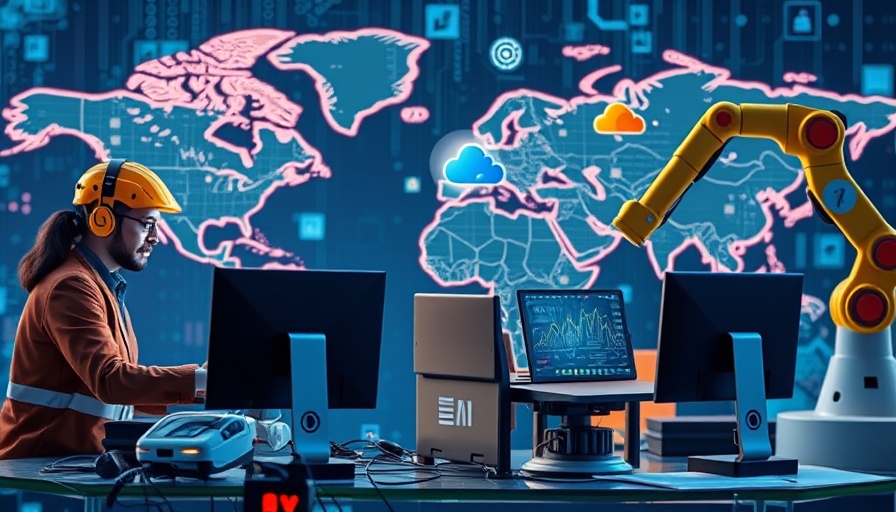
Unleashing the Power of Generative AI to Reinvent Global Supply Chains
Update Rethinking Supply Chain Vulnerabilities Through AI The COVID-19 pandemic revealed profound vulnerabilities within global supply chains, vulnerabilities that had long been overlooked. The repercussions of nationwide lockdowns manifested in manufacturing disruptions and extensive trade route blockages, requiring significant changes to how businesses operate. According to Matthias Winkenbach, director of research at the MIT Center for Transportation and Logistics, traditional supply chain management tools proved ineffectual during this crisis. "Covid-19 showed that there were vulnerabilities in the way the supply chain industry had been running for years," he explains. With stunning clarity, the pandemic brought about a reckoning for leaders—86% of whom are now focused on resilience as a core priority. Generative AI: The Game Changer for Supply Chains As organizations grapple with how to strengthen their supply chains, generative AI emerges as an essential tool for enhancing resilience. Its ability to predict potential risks and provide actionable solutions empowers businesses to navigate disruptions more effectively. Machine learning algorithms can analyze patterns in data, offering insights that traditional inventory forecasting tools simply cannot. For instance, the recent Suez Canal blockage in 2021—which stalled deliveries of goods worth $9.6 billion each day—underscores the urgency of adopting such technologies. Generative AI could help flag alternative transportation routes in real-time or optimize logistics in unforeseen scenarios. This heightened adaptability offers companies the agility needed in an increasingly unpredictable global marketplace. Adopting a Proactive Strategy with AI To truly leverage generative AI, executives and senior managers must cultivate a proactive strategy that integrates AI with their operational frameworks. This systematic approach enables organizations to anticipate challenges instead of merely reacting to them. Furthermore, decision-makers should focus on developing AI literacy within their teams, ensuring that employees are equipped to harness these advanced technologies effectively. Establishing benchmarks and proof-of-concept examples will help demonstrate the tangible benefits of AI systems in supply chain management. Companies that successfully integrate AI into their processes are likely to experience not only enhanced stability but also improved financial performance in the long run. Challenges of Integrating AI into Supply Chains Despite the promising benefits, integrating AI into supply chains is fraught with challenges. Topics such as data privacy, systems integration, and scalability must all be addressed. It’s not just about deploying AI; it's also about ensuring that the AI systems align with company goals and comply with ethical norms and regulatory requirements. Interestingly, while AI can enhance decision-making processes, the human element remains crucial. Trust and collaboration between AI systems and human experts are necessary for effective problem-solving, particularly in complex supply chain scenarios. This intersection of human insight and machine intelligence can ultimately lead to more resilient and agile supply chains. Conclusion: The Future of Supply Chains in the AI Era The future of supply chains in an AI-driven world holds tremendous promise. As organizations continuously seek ways to bolster their resilience against disruptions, generative AI stands at the forefront of innovation. Exploring and embracing these technologies can undoubtedly prepare businesses for unpredictable challenges ahead. Therefore, decision-makers should take immediate action by prioritizing AI integration, fostering a culture of curiosity about technology, and supporting their teams in navigating this evolving landscape. To learn more about successfully implementing AI in your supply chain strategy, explore available resources and engage in training for your staff. The time to act is now.


Write a small description of your business and the core features and benefits of your products.


LPJM SOLUTIONS
(571) 269-6328
AVAILABLE FROM 8AM - 5PM
City, State
10 Church St. Manchester, CT, 06040 USA
ABOUT US
Our CORE values for almost 27 year have been LOVE, Loyalty & Life-Long Friendship.
AI has made this the Golden Age of Digital Marketing.
© 2026 CompanyName All Rights Reserved. Address . Contact Us . Terms of Service . Privacy Policy

Write A Comment