

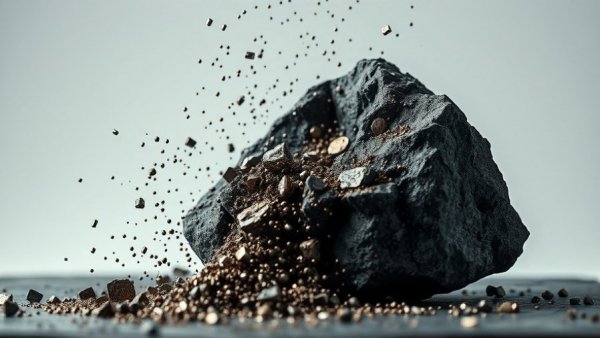
Revolutionizing Metal Extraction: A New Era for Industry
The metals industry stands at the precipice of a significant transformation. With historical advancements like the Bessemer process and electric arc furnaces redefining production, the urgency for innovative extraction methods has never been greater. For over a century, traditional extraction techniques have dominated, leaving the science behind metal separation relatively unchanged. As we face modern material challenges, it begs the question: why are we still using fundamental processes that metallurgists would recognize from generations past?
Today's evolving demands across sectors—from aerospace to renewable energy—highlight the pressing need for a shift in metallurgy. Outokumpu, a leader in sustainable stainless steel production, with a significantly reduced carbon footprint, is at the forefront of this revolution through its EvoMaterials platform. According to Caspar Stinn, the technical director for extractive metallurgy at Outokumpu, the goal is to “rethink how metals can be extracted.”
Understanding the Supply Chain Challenges
As global economies expand, the intersection between technology and resource extraction becomes more pronounced. Many Western nations are witnessing a decline in domestic metal processing capacity, jeopardizing the industries heavily reliant on these materials, particularly critical metals like chromium for aerospace and defense applications. Economist and metallurgy expert Antoine Allanore from MIT argues that metallurgy’s importance has transcended cost and availability to include sustainability factors such as carbon emissions, geographical sourcing, and supply chain resilience.
Innovations Beyond Conventional Processes
Historically, metallurgical advancements have focused on yield and process efficiency. Nonetheless, EvoMaterials embodies a paradigm shift by proposing entirely new chemical pathways for metal extraction. This initiative emerged from research aimed at minimizing carbon emissions during ferrochrome production, leading to the revelation that these alternative chemistries could also enhance resource recovery from lower-grade ores and industrial byproducts. Such advancements promise to bolster resource efficiency and create a more competitive industrial environment in the long run.
Insights into the New Extraction Technologies
The development of these novel technologies commenced in 2021 at Outokumpu’s Kemi mine in Finland, the sole chrome mining operation in the EU. The collaboration with MIT has further solidified this endeavor, resulting in innovative processes that shift away from carbon-heavy extraction methods. Allanore emphasizes that this new methodology allows for a more efficient separation of metals, setting the stage for the modernization of metallurgical practices and reducing environmental impact.
Conclusion: A Call to Transform Industry Practices
The intricate balance of demand and sustainability imposes a strategic imperative for industries reliant on metal extraction. As leaders and decision-makers, embracing these innovations is crucial for adapting to future challenges. By reshaping extraction processes through advancements in chemistry and metallurgical practices, companies can improve efficiency while addressing critical environmental responsibilities. As you consider the practical applications of these insights, explore how your organization can leverage these advancements to not only optimize production but also contribute to a sustainable future. For more information on how to implement these strategies effectively, visit here.




Write A Comment