


The Unseen Costs of AI in Supply Chains
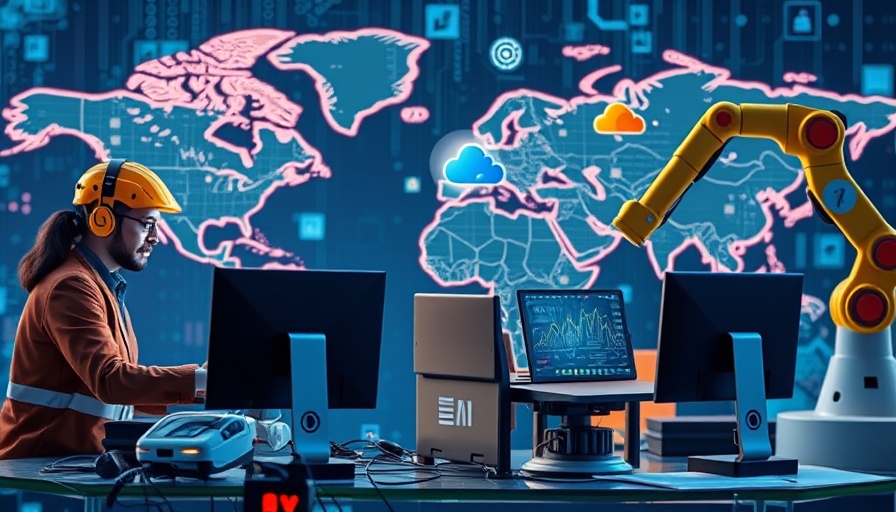
The surge in AI integration across industries isn't just transforming how businesses operate; it's also unveiling hidden costs within supply chains that demand the attention of decision-makers. Willy Shih, an economist and author of Where Does My Stuff Come From?, offers a profound insight into these complexities. As companies increasingly rely on AI to boost productivity, the underlying infrastructure often becomes an overlooked casualty. Shih argues this is especially true during the ongoing reshaping of global supply chains following pandemic disruptions.
Revisiting Globalization: From Reshoring to AI Dependency
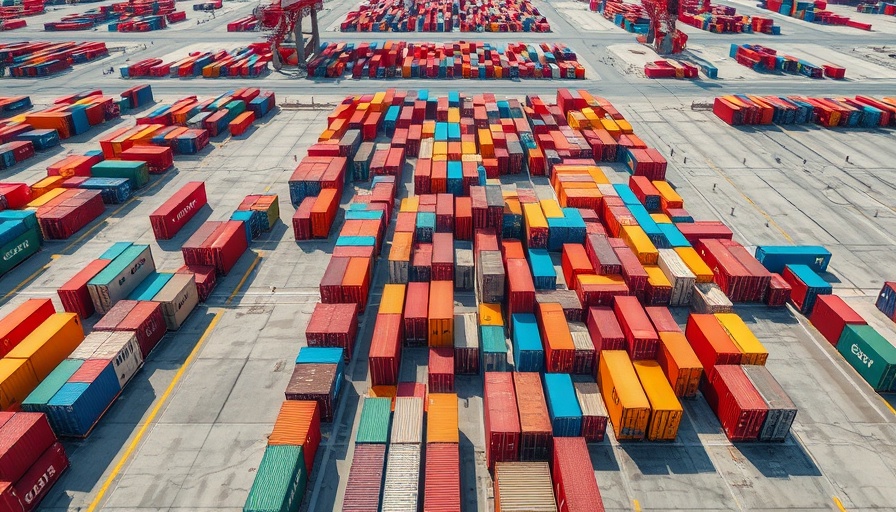
The conversation about globalization has shifted dramatically in recent years. While politicians discuss reshoring manufacturing jobs, the reality presents a different picture: many industries remain heavily dependent on China, the world’s manufacturing powerhouse. Shih emphasizes that AI's voracious appetite for computing resources compounds the challenges faced while reshaping these networks. As AI continues to proliferate, understanding the associated supply chain complexities becomes essential. With the existing political turmoil around trade and tariffs complicating matters, organizations must navigate a landscape that is as unpredictable as it is fraught with challenges.
Lessons from Past Disruptions
Shih's insights draw parallels to earlier market disruptions, such as the pandemic-era chip shortage, showing how fragile supply chains can hinder innovation and growth prospects. For executives and managers, this historical context provides a valuable lesson: complacency in supply chain strategy may lead to significant operational risks. Instead of merely attempting to reshore manufacturing, a more holistic understanding of regional supply chain capacities is necessary.
The Digital Shift: An Opportunity for Strategic Reassessment
The escalating shift towards digitalization presents both opportunities and challenges. As AI continues to drive technological adoption, organizations must not only embrace these innovations but also reassess their supply chain operations to ensure alignment with modern demands. The right approach to integrating AI can yield new efficiencies and optimize supply chains, but it requires an acute awareness of logistical capabilities and the current geopolitical landscape.
Strategizing for the Future: AI and Supply Chains
The path ahead is not merely about technological adoption; it hinges on strategic foresight. Executives must acknowledge the intricate dynamics that govern today's supply chains, especially as AI evolves. By grasping these foundational economics, organizations can better position themselves to leverage AI’s power while mitigating associated risks. Integrating lessons drawn from experts like Shih can lead to actionable insights, driving more informed decision-making in the face of complexity.
Act Now: Engage With Experts
As the landscape continues to shift, engaging with experts in supply chain economics is more crucial than ever. To unlock the full potential of AI integrations, organizations must stay informed and develop robust strategies that address the hidden costs of supply chain dependencies. Join a discussion with industry leaders today!


Write A Comment