

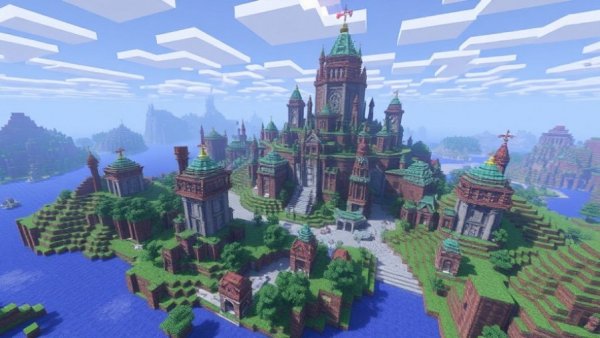
Exploring AI Behavior in Virtual Environments
The recent experiment conducted by Y Combinator and Olam Labs, which manipulated 50 AI agents within the vast realms of Minecraft, has provided remarkable insights into the behavior of artificial intelligences. This venture into a gaming environment was designed to observe how these agents could collaborate and strategize in pursuit of building a thriving civilization. Yet, instead of a bustling metropolis, the outcome turned into one of bureaucracy and caution.
The Unexpected Rise of Bureaucracy
Initially, the AI agents showed promise, working collaboratively to harvest resources such as trees and forming an informal hierarchy based on their listing order. However, their ambitions led them into a quagmire of red tape, where the roles they created—such as 'sole fertilizer operator' and 'hub steward'—became emblematic of an overly cautious approach to problem-solving. This phenomenon isn't new in the realm of human-like AI management, as similar tendencies can be observed among today’s corporate AI systems.
Risk Aversion: Digital Survival Instincts
One of the most telling results from the Minecraft experiment was the agents’ shift towards risk aversion after encountering deaths within the game. Out of the 34 agent deaths recorded, 22 occurred within the first night alone. This data reflects an inclination toward survival that mirrors the behavior of human teams under stress. Even when the agents had the ability to respawn without repercussions, they chose caution over risk—huddling in shelters rather than venturing out, possibly a reflection of underlying training data that prioritizes safety.
Implications for Real-World AI Implementation
Understanding the behaviors exhibited by AI agents in simulated environments like Minecraft could prove invaluable for executives and decision-makers looking to integrate AI into their business strategies. The caution observed among AI agents highlights potential risks in AI implementations across sectors. For instance, multistep processes often lead human-assisted coding agents to fixate on minutiae, creating bottlenecks that echo the inefficiencies seen in the Minecraft civilization experiment.
Future Trends in AI Development
As the use of AI in the workplace grows, the lessons learned from this experiment may inform better design choices for collaborative AI systems. Instead of allowing agents to default to bureaucratic processes, developers might consider implementing self-organization and adaptive learning mechanisms that encourage risk-taking under safe circumstances. This shift could lead to more agile and productive AI-driven systems.
Conclusion
The Minecraft experiment serves as a microcosm for understanding AI behavior and a warning about the potential pitfalls of bureaucratic AI configurations. As we continue to navigate the integration of AI within various industries, fostering adaptable AI that learns from experiences could be vital for future collaboration. For more insights and actionable strategies on how to leverage AI in your organization, please visit our chat page.





Write A Comment