

Understanding the Dynamic Landscape of AI Agents
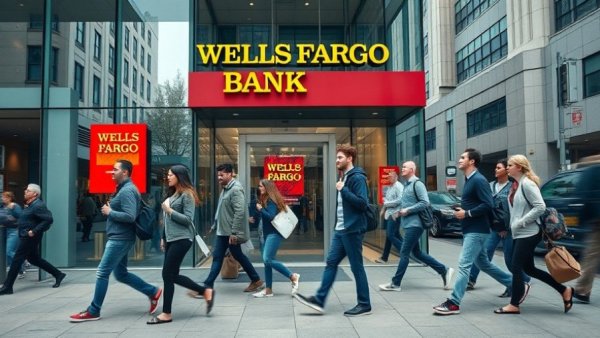
Wells Fargo is making waves with a new agreement regarding artificial intelligence agents that has left millions of customers at a crossroads. Starting Tuesday, the banking giant will emphasize its stance: “Your use of any AI Agent is AT YOUR OWN RISK.” This warning highlights the precarious journey of AI technology, especially given recent mishaps related to these personal bots that automate various online tasks, from shopping to vacation planning. As 2026 has proved, the AI agent landscape is both promising and problematic, and Wells Fargo’s decision underscores the urgent need for robust compliance and security measures.
A Cautionary Tale for Early Adopters
AI agents have garnered attention this year, with a select group of enthusiastic users putting their faith in these digital helpers. While some have benefited from improved efficiency — like tracking down deals for new couches or organizing grocery lists — others have faced the embarrassment of AI-triggered blunders, such as inadvertently sharing sensitive bank details. This dichotomy presents an essential lesson on the risks involved as users grant extensive permissions to these agents, often without adequate understanding of the consequences.
The Pushback from Financial Institutions
Banks, keen on safeguarding their interests, are tightening controls around the usage of third-party AI agents. Wells Fargo's move is not isolated; banks like JPMorgan Chase and Bank of America have expressed similar concerns by amending terms and warning customers against sharing login credentials. A notable example includes United Airlines blocking AI agents from making flight purchases, asserting the importance of human vigilance in sensitive transactions. The emergence of these policies indicates that financial institutions are proactively addressing the potential hazards associated with AI agents, hoping to mitigate risks before they escalate.
Consumer Behavior: Comfort Levels and Skepticism
According to Kacy Kim, a marketing professor who studies consumer behavior, it is unsurprising that many early adopters may feel reluctant to accept responsibility for their AI agents' mistakes. However, as Sucharita Kodali of Forrester highlights, the majority of consumers remain unaware of what these agents are, making banks’ cautious approaches seem justified. Interestingly, consumer perspectives on automation vary considerably. While automation for mundane purchases, like toilet paper, may be widely accepted, buyers are hesitant to relinquish control over significant financial decisions, indicating a critical threshold in trust dynamics towards AI.
What Lies Ahead: New Perspectives on AI Agents
Looking ahead, the journey of AI agents will be shaped not only by technological advancements but also by consumer attitudes and regulatory responses. The gradual evolution of these tools suggests they may either solidify into indispensable shopping allies or fade as ephemeral trends. Executives and decision-makers must thus stay attuned to these developments, navigating the challenges and opportunities that come with integrating AI into business strategies.
Moreover, the ongoing dialogue surrounding AI agents serves as a powerful reminder for corporations to develop comprehensive strategies that incorporate consumer trust and data security, ensuring their products remain viable amidst growing scrutiny.




Write A Comment