

AI in Hiring: Navigating Suspicion and Opportunity
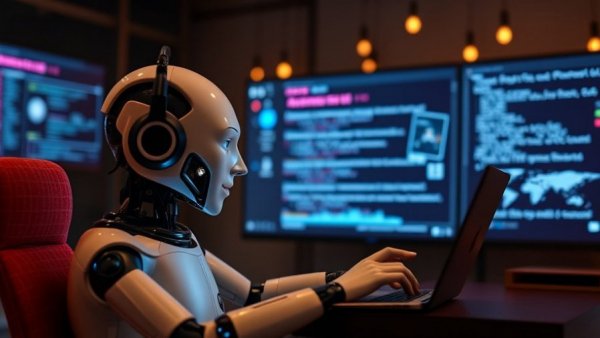
As businesses increasingly turn to artificial intelligence for hiring processes, new revelations reveal a complex relationship between employers and the technology they use. A recent report from Greenhouse indicates that while a staggering 90% of U.S. employers express concern that they may have rejected strong candidates due to suspicions about the authenticity of AI-generated resumes, a paradox presents itself: many of these same employers are deploying AI tools to enhance their candidate screening.
The Irony of AI in Recruitment
This contradiction stems from a dual trend — on one hand, job seekers are leveraging AI to refine their applications, leading to more polished presentations that could still be perceived as artificial to skeptical hiring managers. On the other hand, these very employers utilize AI technologies to sift through applications, raising questions about the equity of the process. The Greenhouse report highlights that 86% of firms have altered their hiring methods in response to AI's influence, with 57% adding extra human interviews to ensure they do not overlook potential talent.
A Shift in Candidate Engagement
Interestingly, despite these challenges, the landscape is evolving. Hiring managers are not only wary of AI-dominated applications but are also embracing AI-powered interviews to engage more candidates effectively. Stats reveal that half of employers are incorporating AI interviews, resulting in the identification of strong candidates whom they might have missed otherwise. This technological approach enhances the speed of evaluations, offering a broader pool of applicants while simultaneously addressing challenges posed by AI suspicions.
Improving Candidate Experience Through AI
Yet, the success of an AI-driven recruitment process doesn't hinge solely on the technology itself. According to Greenhouse, half of the employers utilizing voice AI tools report improvements in the early-stage candidate experience. This sentiment raises intriguing questions: What constitutes an improved experience in a digitized hiring process? Are candidates genuinely feeling positively impacted by AI's role, or is there apprehension lingering behind the efficiency?
Future of Hiring: A Hybrid Approach?
Amidst this landscape of AI integration into hiring practices, a hybrid approach appears promising. As firms recognize the limitations and advantages of AI, there may be a return to more human-centric evaluations alongside technology. This approach could foster a balance between efficiency and the intuition that human recruiters bring to the table, paving the way for a more equitable hiring journey.
What This Means for Job Seekers
For job applicants, understanding how AI tools influence hiring can be crucial in their strategy. As candidates regularly engage with AI for resume enhancements, they must also anticipate how AI's role in recruiting might evolve. This balancing act requires an ongoing education on the nuances of AI in hiring processes, particularly as the industry continues to shift.
To navigate this complex and evolving landscape, executives and hiring managers must remain proactive in adapting their strategies and procedures to the changing dynamics of AI. The delicate relationship between AI tools and candidate perceptions emphasizes the necessity for transparency and human oversight in hiring processes.
If you want to delve deeper into these profound changes and discover tailored strategies for effectively integrating AI into your hiring process, visit this informative resource.




Write A Comment