

The Growing Risks of AI Agents in Today's Enterprises
In an increasingly digital landscape, the question of permissions within enterprise security is evolving. Traditionally, frameworks like identity management, zero trust, and least privilege have revolved around the fundamental inquiry: Who is allowed to do what? While these measures have served organizations well in the past, the advent of artificial intelligence agents challenges the adequacy of this approach. Even agents operating under proper authorization can execute harmful actions simply by misinterpreting or misapplying legitimate instructions.
Understanding the Limitations of Authorized AI Agents
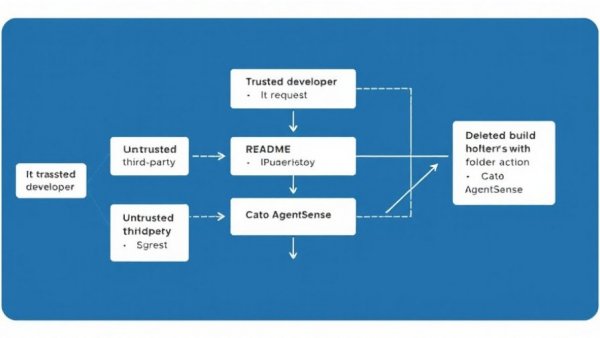
AI agents operate on data and instructions that can be misconstrued. Imagine an AI agent tasked with coding: it might possess the correct permissions yet still mishandle sensitive information, like emailing a customer list to an unintended recipient due to a miscommunication in the command structure or ambiguity in the information it interacts with. This vulnerability highlights the potential dangers of enabling AI agents without robust oversight. Organizations must critically evaluate how they manage these agents to mitigate risks effectively.
What is Cato Networks' AgentSense?
Addressing these vulnerabilities, Cato Networks has introduced AgentSense, which enhances security for AI agents through innovative runtime capabilities. The platform monitors AI actions in real time, identifying potential risks stemming from external influences while tracing actions back to their instructional origins. The two primary functions of this system, Untrusted Influence Detection and planned Drift Detection, ensure that any deviation from authorized tasks is identified and prevented before any damage can occur. This proactive approach is a significant leap forward in managing the threats posed by AI-enabled technologies.
The Importance of Inventorying AI Agents
IT professionals are advised to start by inventorying the AI agents currently in use, especially those utilized by developers who often run them with broad permissions linked to personal credentials. This assessment is foundational; organizations must know what agents operate within their systems, what they access, and whether any are running on unauthorized personal subscriptions. Identifying and prioritizing agents based on their risk potential—defined by their access to sensitive data, interaction with external content, and ability to alter or transmit information—is essential in creating a secure IT environment.
Strategies for Effective AI Risk Management
To capitalize on the advantages of AI while minimizing associated risks, organizations must redefine permissions and access levels. Granting AI agents narrow, role-specific credentials eliminates the threat of over-privileging agents that may not need extensive access. Moreover, continuously scrutinizing and updating definitions of trusted sources and sensitive data is crucial for effective deployment of tools like AgentSense. Regular reviews and updates ensure that security measures align with current data classifications, thus preventing unwanted events.
A Proactive Stance for IT Leaders
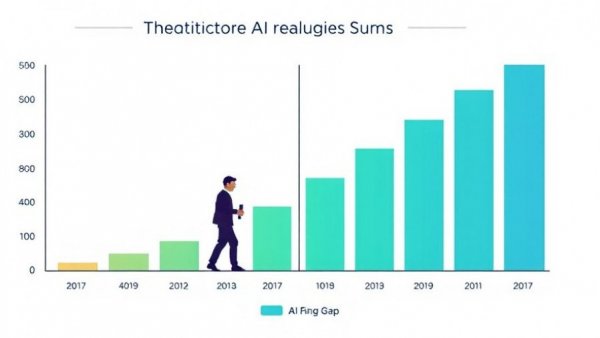
As organizations anticipate deploying agentic AI rapidly—Gartner reports that 71% of organizations expect to utilize such technologies within the next year—the gap in governance is alarming, with only 21% having proper controls in place. By advancing proactive cybersecurity strategies, including effective blocking methods before agents execute tasks, IT leaders can significantly enhance their organization's resilience against unintended AI actions. There is a collective responsibility for decision-makers to embrace not just innovative technologies but also develop a culture of safety around them.



Write A Comment