

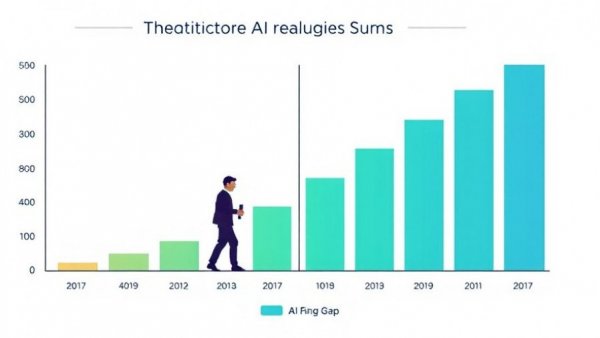
Understanding the AI Readiness Gap: Are You Prepared?
The rapidly evolving landscape of artificial intelligence (AI) is reshaping industries and driving innovation. However, a significant disparity remains in how organizations across sectors are prepared to integrate AI effectively into their operations and strategies. This disparity, referred to as the AI readiness gap, highlights not only the varying levels of technological adoption but also the strategic foresight of leadership within different organizations.
What Is the AI Readiness Gap?
The AI readiness gap refers to the differences in organizations' capabilities to leverage AI technologies to their fullest potential. McKinsey's insights illustrate that while some companies are embracing AI, acquiring skills, and reshaping their frameworks, others lag behind. This divide could determine their future competitiveness. Leaders must recognize that AI is not merely an operational tool; it changes how companies engage with customers, streamline operations, and innovate.
Consequences of the Gap
The implications of the AI readiness gap are profound, impacting everything from operational efficiency to market competitiveness. Businesses that fail to adequately prepare for AI integration risk falling behind their more agile counterparts. Research suggests that companies with advanced AI strategies may experience revenue increases and operational improvements, making it critical for organizations to assess their readiness and foster a culture of continuous learning and adaptability.
Strategies to Bridge the AI Readiness Gap
To address the AI readiness gap effectively, organizations should consider the following strategies:
- Invest in Skills Training: Equip employees with the knowledge and tools necessary to understand and leverage AI technologies. Continuous education programs can help cultivate an AI-ready workforce.
- Foster a Culture of Innovation: Encourage experimentation and problem-solving, allowing teams to explore AI applications that may transform their operations.
- Establish Cross-Functional Teams: Develop collaborative teams that span departments, enabling diverse perspectives to tackle AI-related challenges and opportunities.
- Utilize Pilot Projects: Implement proof-of-concept initiatives that demonstrate the value of AI in specific use cases, providing tangible results to inspire broader adoption.
The Future of AI Adoption in Business
As AI continues to evolve, the pace of adoption will only increase. Executives who act now to bridge the AI readiness gap will position their organizations for long-term success. Future trends indicate that data utilization and AI-driven analytics will become integral to decision-making processes across industries. Embracing these changes proactively will empower organizations to harness the full spectrum of AI's potential.
Conclusion: Take Action to Prepare for the Future
To thrive in the age of AI, it is vital for organizations to assess their current capabilities and implement strategies that enhance their AI readiness. The future belongs to those who embrace change, cultivate a forward-thinking culture, and invest in the necessary skills. Engage with experts to better understand how your organization can navigate the challenges and opportunities of AI integration. Your future success may depend on your readiness today.





Write A Comment