

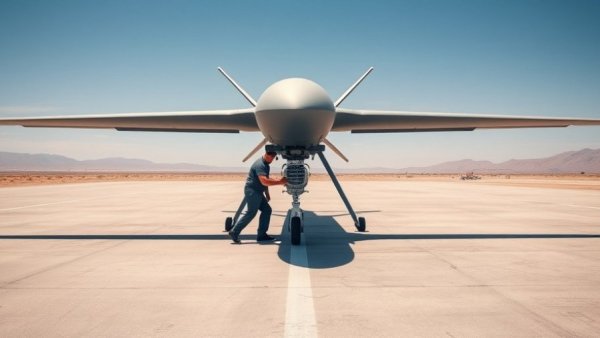
The Urgent Call for Regulation of Autonomous Weapons
This week, diplomats convened in Geneva to tackle the pressing issue of autonomous weapons, often dubbed ‘killer robots.’ The anticipated negotiations ultimately yielded little progress, with representatives settling on merely the agreement to start discussing options for regulations. This development, or rather lack thereof, has raised profound concerns among humanitarian groups and international law advocates.
The Voices of Urgency: Humanitarian Organizations' Plea
Prior to the negotiations, the International Committee of the Red Cross emphasized the pivotal need for legally binding rules to be established within a one-year timeframe. Supported by influential figures, including the U.N. Secretary-General and global leaders such as Pope Leo, the call for binding regulations can be perceived as a desperate attempt to safeguard civilian lives amidst the proliferating use of autonomous weaponry.
Compromises and Challenges in Negotiation
Negotiations were marred by significant delays, notably instigated by Russia, which launched objections to the meeting’s agenda on day one. The United States followed suit by proposing a protracted five-year timeline for discussing nonbinding, optional guidelines. This can be interpreted as a strategy to dilute the urgency of immediate rules, showcasing a stark divide between nations advocating for rapid regulations and those hesitant to bind themselves legally.
The Civilian Impact of Inaction
As armed conflicts increasingly incorporate semi-autonomous technologies, the casualty rates among civilians have alarmingly risen. Reports indicate that drone attacks and other autonomous systems have contributed to numerous deaths in regions like Ukraine, Gaza, and Sudan. The need for proactive measures can't be overstated; failing to regulate these technologies poses a risk not only to combatants but also jeopardizes innocent lives caught in the crossfire.
What Lies Ahead for the Global Community?
The future of autonomous weapons regulation remains uncertain. The two-year period allotted for proposing regulations is likely to extend beyond negotiations, leaving unresolved questions regarding enforcement and compliance. As nations grapple with the implications of integrating AI into military operations, decision-makers across various industries must remain attuned to these developments. The impact of autonomous technology on both warfare and daily life is far-reaching, and its trajectory will be shaped by the choices made in these discussions.
This situation presents a critical juncture for organizations and leaders in various sectors. Understanding the implications of AI and autonomous weapons not only shapes ethical considerations but also influences business strategies and policies. Join the conversation and stay informed about the evolving landscape—let's explore how these developments could reshape our industries.
For further engagement on this topic, do connect with us for discussions that can help shape your strategic responses in light of these emerging regulations.





Write A Comment