

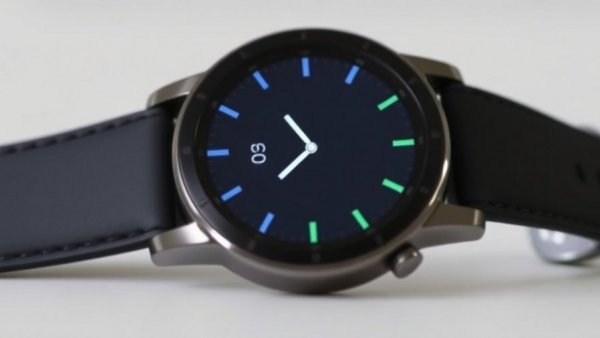
Improving Battery Life: A Game-Changer for Wear OS Users
The recent update to Wear OS smartwatches signals a pivotal advancement in battery management, particularly for users engaged in outdoor fitness tracking. Google Play Services' version 26.45 innovatively offloads the burden of satellite communication to users' smartphones, allowing devices like the Pixel and Galaxy smartwatches to maintain functionality while significantly preserving battery life during workouts.
The Power of Outsourcing: How It Works
Managing battery drain in devices with multifaceted functionalities—such as health monitoring, GPS tracking, and constant connectivity—is crucial for smartwatch users. The latest update integrates a mechanism where the phone's Global Navigation Satellite System (GNSS) takes over the location tracking duty from the smartwatch during outdoor exercises. This means that when users switch to Battery Saver mode, their watch can still track location efficiently without taxing its own battery.
Enhanced Functionality Without Extra Effort
Importantly, this update does not require any user intervention; it operates seamlessly in the background. For busy executives and professionals who rely on smartwatches for communication and health monitoring throughout the day, this functionality could represent a significant boost in usability. Users can now enjoy their outdoor workouts without the constant concern of battery life.
The Hardware Impact: Understanding Current Limitations
While the update enhances battery longevity, it’s worth noting the existing limitations of hardware. Popular models like the Pixel and Samsung Galaxy Watch can last about 40 hours on a single charge, but demanding features such as an always-on display and real-time health monitoring can lead to rapid battery depletion. Thus, providing users with strategies to enhance battery life is as crucial as the hardware capabilities themselves.
Looking Ahead: The Future of Smartwatch Development
As smartwatches evolve, we can anticipate even more efficient management of battery life through software updates and hardware improvements. The integration of sophisticated algorithms and AI-driven power management systems could be the next frontier, paving the way for longer battery life and enhanced functionality across various applications, including artificial intelligence integration in health monitors.
Conclusion: Embracing Technological Advancements for Optimal Use
This latest update is more than just a minor improvement; it's a critical step towards making wearable technology more practical for everyday use. As these devices become integral to our health and communication strategies, staying informed and adapting to these advancements is essential for making the most out of our technological investments. For executives and decision-makers, understanding these changes is vital in advocating for technology that enhances productivity and personal health.
For those looking to dive deeper into actionable insights regarding technology integration and its implications, click here to connect with experts in the field.





Write A Comment