
Revolutionizing Data Retrieval for the Digital Age
In today’s fast-paced digital landscape, executives are constantly navigating the complexities of information retrieval. What if your assistant could deliver a precise answer regardless of conflicting data sources? With the implementation of a Graph-RAG system, businesses can achieve this ideal, synthesizing information from diverse platforms like databases, wikis, and PDFs.
The Challenge of Data Integrity
Imagine being an engineer on call in a tech-driven enterprise. Your internal AI assistant is supposed to promptly provide information about who is on call for a crucial service. However, if the assistant retrieves outdated data from a wiki, business continuity could be jeopardized. This exact scenario highlights the need for an intelligent system that can prioritize reliable sources of information. According to a study by IDC, businesses that incorporated graph-based contexts reported a decrease in hallucination rates by an impressive 44%, demonstrating the necessity for trustworthy data sources.
Building the Reliable Graph-RAG System
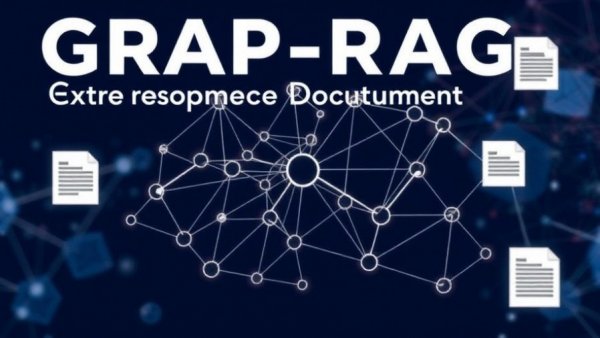
The architecture of the Graph-RAG system focuses on three main retrieval tiers: an absolute-facts graph, a background-stats graph, and a vector database. This framework ensures that the most current and verified data takes precedence over potentially outdated or conflicting information. For example, at the fictional software company "Northwind," the primary source for critical service information is a live database, while wikis serve secondary roles, providing context that might add value but not conflict with the present facts.
Implementing the Solution: Practical Steps
To set up your own Graph-RAG system, equip it with libraries designed for optimal data manipulation. Use Python 3.10+ and install packages like chromadb for storing vector data, alongside pdfplumber for reliable PDF text extraction. Each source—database, wiki, and PDFs—contributes to a coherent dataset whereby priority rules are clearly defined in your assistant's prompts, allowing seamless information delivery when faced with conflicting reports.
Looking Ahead: The Future of Knowledge Retrieval
As the digital transformation continues to evolve, businesses will increasingly rely on sophisticated AI models tied closely to structured data sources. With the Graph-RAG model, organizations can not only mitigate the risk of outdated or incorrect information but also enhance the overall accuracy of their data retrieval processes. This is particularly critical in industries where timely interventions can significantly affect outcomes.
Conclusion: Steps Toward Intelligent Data Management
The implementation of a Graph-RAG system represents a vital step in cutting-edge knowledge management. With fewer hallucinations in data return and higher reliability in dynamic environments, organizations can empower their teams to make better decisions effectively.
Take action now and explore how implementing a Graph-RAG architecture can future-proof your business's data retrieval capabilities. Explore insights and resources at this link.





Write A Comment