

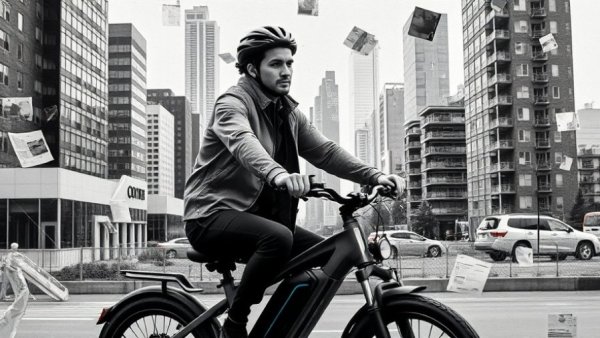
New Jersey's Ebike Law: A Radical Change in Mobility
As the trend towards sustainable mobility evolves, New Jersey's recent implementation of a comprehensive ebike law is set against a backdrop of public safety concerns and operational chaos. With the new legislation introduced by Senator Nick Scutari, the state aims to regulate the rapidly growing ebike use driven by the pandemic-induced boom. However, as various stakeholders navigate these changes, significant challenges have emerged.
Understanding the New Law's Implications
The law mandates that any individual operating an ebike must be at least 15 years old and hold a license, whether a driver’s or a specific motorized bicycle license. This requirement, coupled with mandatory registration and insurance for bikes capable of exceeding 20 mph, marks a shift towards stringent control measures. These steps were primarily catalyzed by alarming increases in accidents involving ebikes, notably among younger riders, presenting a complex balance between regulation and access for the community.
Voices from the Ground: A Confusion of Execution
Despite its well-intentioned goals, many riders have experienced confusion and frustration during the registration process at local MVC branches. Reports indicate inconsistencies among staff regarding the new laws, alongside infrastructure shortcomings such as inadequate bike parking and accessibility by public transit. Scott Chambers, a bike shop owner in Wildwood, conveys the drastic repercussions of these regulatory changes, noting a staggering 90% decline in ebike sales, which suggests a negative economic impact on local businesses.
The Economic Ripple Effects of Ebike Licensing
The decline in ebike sales due to the new law is emblematic of broader economic challenges. Industry sources reveal that approximately 37 bike shops have shut down statewide in response to these rapid regulatory shifts. The New Jersey E-Bike Coalition has raised alarms about these closures, emphasizing the potential long-term implications for local economies and jobs dependent on the ebike market. This creates a domino effect, whereby not only local shops suffer but also the public is deprived of a key transportation alternative that aligns with ongoing efforts towards sustainability.
A Balancing Act: Safety vs. Accessibility
While safety remains a priority for legislators, it appears the balance between regulation and accessibility has been compromised. For instance, Karin Vanoppen expresses her dilemma: unable to ride her ebike due to the licensing requirements and geographical barriers to testing locations, she feels alienated from a mobility option she once relied on. This sentiment resonates with many residents who value the convenience that ebikes offer. As New Jersey continues this experiment with ebike licensing, understanding the implications for the user experience will be crucial for future adjustments.
Future Trends in E-Bike Regulations
As similar ebike licensing proposals surface across states like California and Illinois, New Jersey's experience provides vital lessons. This legislation may prompt future revisions or alternative models that maintain rider safety without sacrificing accessibility. Given the current challenges, there may be room for stakeholder engagement to refine policies. For example, increased public outreach and education could play a pivotal role in improving adoption and compliance with these new regulations.
Final Thoughts: Navigating a New Era in Mobility
The ongoing developments surrounding New Jersey's ebike law underscore the complexities inherent in regulating emerging transportation technology amid changing public needs. For executives and decision-makers in various industries, understanding these dynamics can inform better strategies surrounding regulatory compliance, consumer expectations, and broader sustainability goals. The ebike trend underscores the necessity for transport systems to adapt continuously and innovatively, particularly as environmental concerns shape future urban mobility solutions.
If you’re keen to engage with experts and explore actionable insights into navigating regulatory changes in transportation, consider joining our community. Click here to connect and learn more!





Write A Comment