

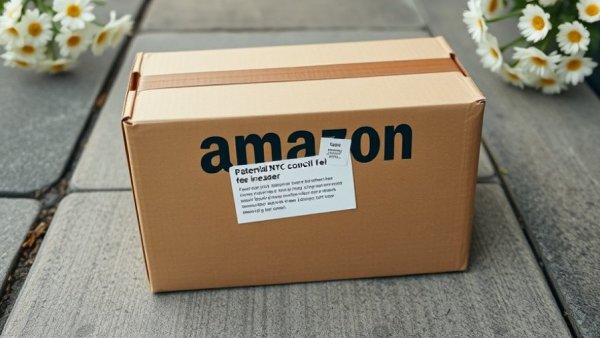
Amazon's Tactics Against NYC's Delivery Protection Act
In the escalating clash between Amazon and the New York City Council over the Delivery Protection Act, Amazon is utilizing bold measures to express its discontent and influence public perception. By placing warnings on its shipments indicating that the Council could impose an additional charge of up to $5 on orders, Amazon aims to galvanize consumer concern over potential delivery costs. This act represents a calculated strategy to sway public opinion during a pivotal legislative debate.
Understanding the Delivery Protection Act
The Delivery Protection Act, if enacted, would fundamentally reshape the landscape for last-mile delivery services in New York City. It mandates that all last-mile delivery companies, including small businesses and independent contractors associated with Amazon, acquire city licenses and employ their workers directly. This legislation reflects a growing emphasis on labor rights and accountability, which advocates argue will result in better working conditions and sustainable wages for delivery workers. Conversely, Amazon claims these required changes could lead to slower delivery times and increased costs for consumers, illustrating a tension between regulation and corporate practices.
A Broader Context: Corporate Influence and Legislation
This situation brings to light a pattern in which large corporations leverage their market power to influence legislation that impacts their operational capabilities. Amazon's threat to relocate warehouses is seen by some as an intimidation tactic designed to undermine the legislative process and protect what they deem is corporate greed. This has ignited discussions about corporate responsibility and ethics in business practices, particularly in a city as significant as New York.
Implications for New Yorkers
The implications of this legislative battle are profound for New Yorkers. The actions taken by Amazon could have far-reaching consequences not only for delivery workers' rights but also for consumer prices and service quality. As residents face the potential of increased delivery charges, the fallout from the city's decision could shape public sentiment regarding corporate accountability and labor regulations across the country.
What Could This Mean for Other Cities?
The outcome of the NYC Council's deliberations on this matter could set precedents for other metropolitan areas grappling with similar issues involving corporate influence and labor rights. Cities nationwide might look to New York as a gauge of how effective stringent labor laws can be in the face of corporate resistance, shaping the future of employment practices within the gig economy.
Taking Action: What Can You Do?
For those embroiled in strategic decision-making processes within corporations, this unfolding situation presents an opportunity to evaluate your own company's approach to labor practices and public communications. Understanding how to navigate regulatory landscapes while maintaining corporate integrity and ethical standards could position businesses favorably in a complex marketplace.
It is crucial to stay informed about potential shifts in policies like the Delivery Protection Act and to consider how they might affect your business operations. For leaders and executives, proactive engagement with labor dynamics and corporate social responsibility could enhance both public perception and operational resilience.




Write A Comment