

Growing Skepticism Fuels Local Government Decisions on AI Surveillance
In recent months, a ripple of discontent has emerged across the United States as at least ten local governments have taken actions against Flock Safety, a company known for its AI-powered surveillance technology. The mounting concerns about privacy and mass surveillance have prompted city officials to review their contracts with Flock, signaling a broader backlash against the normalization of such technologies.
Case Studies of Withdrawal
Cities from Monroe, Ohio, to Grafton, Massachusetts, have opted to discontinue their relationship with Flock. For instance, residents in League City, Texas, took a stand by voting against their police force's use of Flock's license plate readers, leading to the cameras' imminent removal. This sentiment stems from worries not only about individual privacy rights but also about the questionable sharing of surveillance data across various jurisdictions.
Public Sentiment: The Tangible Impact of Surveillance
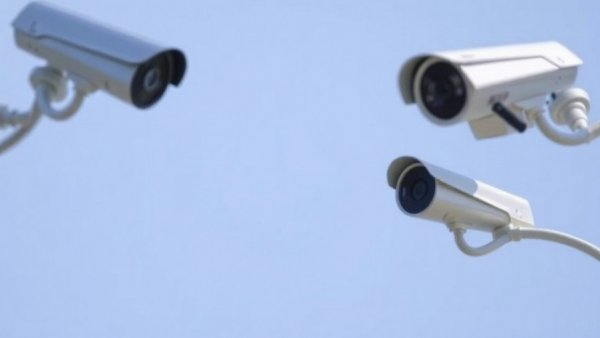
The backlash against Flock's technology highlights a growing public skepticism about how data-driven surveillance can intersect with civil liberties. Tatiana Rice from The Future of Privacy Forum articulated these sentiments, noting that the visibility of these technologies, such as the cameras dotting city infrastructure, serves as a constant reminder of the potential for overreach in data collection. "A camera at the end of your street is tangible in a way that everyday sharing and selling of personal data online is not," she said, emphasizing the palpable concern citizens feel about surveillance creeping into their daily lives.
Regulatory Pushback and Implications
The discontent is not limited to individual cities but also spans state-wide initiatives. Florida has recently barred the use of license plate readers on state highways, while Texas has halted state funding for Flock’s expansion. This pattern reflects a significant consideration of public sentiment in policy-making, demonstrating that technology's rapid advancement may be outpacing the establishment of corresponding regulations to protect privacy.
Lessons Learned: The Risks of AI Surveillance
Faced with several instances of misuse of Flock’s technology—most notably cases where police officers have been accused of stalking using these surveillance tools—the conversation about misuse has intensified. In one striking case, the Ithaca City Council cited perceived abuses by Flock, which allowed federal agencies like ICE access to sensitive data without local consent. These reports raise potent questions regarding accountability, oversight, and the inherent risks in overly relying on technology such as AI surveillance systems.
A Path Forward: What's Next for AI Surveillance?
The mounting backlash against Flock Safety may serve to initiate a reevaluation of how surveillance technologies are deployed and regulated. Lawmakers, industry leaders, and citizens alike must engage in a dialogue about implementing robust frameworks that protect citizen rights while acknowledging the potential benefits of technology in solving crimes and enhancing public safety. The path forward will certainly involve balancing innovation with ethical considerations, creating an environment where AI tools can be employed securely and responsibly.
The ongoing national conversation surrounding these technologies underscores an urgent need for stakeholders to come together in defining standards for surveillance practices. As cities redefine their relationship with AI surveillance technologies, it presents a pivotal opportunity for executives, decision-makers, and law enforcement to influence how technology can align with the principles of privacy and human rights in the digital age.





Write A Comment