

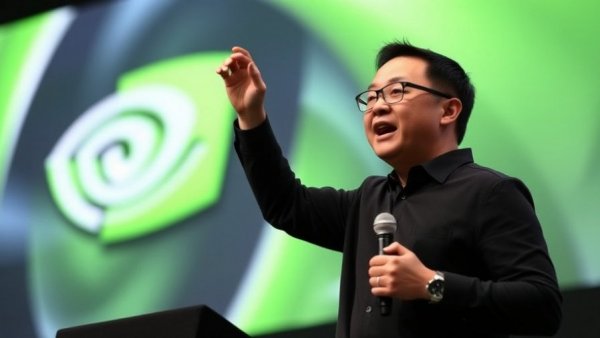
Jensen Huang's Return to Nvidia: Seizing Control Amid Controversy
Nvidia has made waves with the reinstatement of its founder and CEO, Jensen Huang, a move that sends shockwaves across the tech landscape. Just over a week ago, Huang faced ousting amidst revelations of personal scandals, notably an affair with a suspected Chinese spy. His sudden return has not only invigorated the company but also ignited a firestorm of political discord, illustrating the intricate relationship between corporate leadership and national security.
Political Ramifications: Voices from Across the Aisle
The political implications of Huang's return resonate deeply within the current U.S. political climate. As voices on both the left and right express vehement criticism, a clear divide emerges. Congressman Raja Krishnamoorthi emphasized the national security risks, questioning government assurances about Huang's influence and integrity. Meanwhile, Senator Chris Coons lamented the implications of prioritizing economic interests over national security, warning that Huang’s reinstatement is a capitulation to China’s ambitions in advanced technology.
The Role of AI in Corporate Governance
Huang’s leadership at Nvidia is emblematic of the forces shaping the AI industry. His ability to drive innovation has played a pivotal role in establishing Nvidia as a leader in AI chips, crucial for everything from gaming to data centers. As companies across different sectors increasingly rely on AI to enhance operational capacity, Huang's vision becomes essential. Reinstating him may position Nvidia to continue its dominant trajectory, especially amidst competition in AI capabilities.
Investigation and Oversight: Holding Leaders Accountable
Beyond corporate strategy, there is an urgent need for detailed investigations into potential conflicts of interest. Representatives like Becca Balint are demanding increased scrutiny regarding Huang's reinstatement, highlighting a troubling alignment between corporate power and political maneuvering. With industries intertwined with national interests, the stakes are higher than ever, necessitating adjustments in regulatory frameworks to ensure corporate accountability.
Future Considerations: Navigating Corporate and National Interests
The intersection of corporate ambitions and national security needs intensifies scrutiny on corporate leaders such as Huang. As Nvidia prepares for Huang’s Senate appearances, the outcome will likely shape how similar situations are handled in the future. Companies in the tech sector must not only innovate but also navigate the complexities of ethical leadership and national security.
Conclusion: The Balancing Act of Innovation and Governance
As Jensen Huang reclaims his position at Nvidia, the wider implications of this decision will unfold in the coming weeks. For corporate executives and decision-makers, his case serves as a reminder that the path to innovation must be matched by transparency and accountability. The evolving landscape of AI governance will necessitate not just visionary leadership but also adherence to ethical standards that protect national interests.
In light of these developments, it’s crucial for leaders to assess their companies’ positions and ensure they are prepared for the complexities that AI integration entails.





Write A Comment