

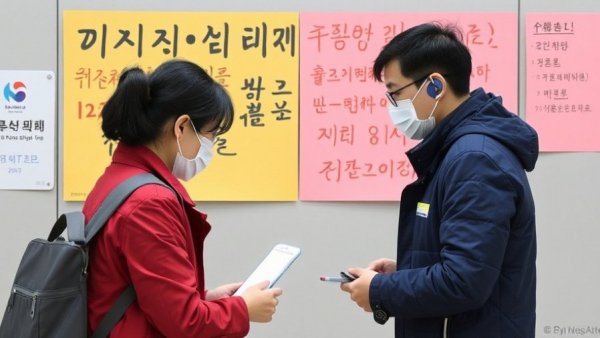
AI-Cheating Threats Reshape Examination Protocols
As educational institutions adapt to the rising prevalence of AI tools, South Korea's recent move to bolster exam security has sparked significant conversation. In preparation for the Nov. 19 university entrance examinations, authorities are implementing enhanced checks, particularly targeting AI-assisted cheating, which has begun to blur the lines of traditional exam supervision.
Emergence of Intelligent Cheating Techniques
Cheating is evolving, and technology such as AI-powered glasses poses new challenges for exam monitors. These devices can easily blend into an exam taker's outfit, making it nearly impossible for traditional oversight to detect their use. The story of Han Won-seok, who achieved nearly perfect scores using covert electronic devices, underscores a growing concern regarding the integrity of standardized testing processes. The implications of such cheating instances extend beyond individual fraud; they threaten to undermine broader educational standards and trust.
Traditional Methods Under Siege
In light of recent events, South Korean education authorities are reassessing conventional methods of proctoring exams, acknowledging that they cannot combat the nuances of technology integrated into everyday accessories. More than 500,000 candidates are expected to compete on exam day, intensifying the scrutiny placed on both students and institutions to maintain integrity. Strategies such as disabling nearby Wi-Fi networks may mitigate some risks, but as legislators point out, these measures alone may not suffice.
Finding a Path Forward
As schools wrestle with the implications of AI technology, the conversation often pivots around a critical question: how do we harness AI to enhance learning while minimizing its potential to diminish educational rigor? Banning AI tools outright can hamper students’ ability to keep pace with a tech-driven world. Instead, educators might look toward teaching appropriate use, empowering students to leverage AI in productive ways.
Potential Solutions and Long-term Impacts
Rather than view AI solely as a disruptive force, proactive measures could be enacted to integrate it effectively into the educational framework. Schools could train students on responsible AI usage or incorporate AI technologies into assignments to facilitate genuine learning experiences, promoting understanding over mere localization of responses. The interplay between education and technology thus calls for thoughtful policy discussions to align ethically and effectively.
Conclusion: Embracing Change in Educational Environments
The challenges posed by AI-assisted cheating, as experienced in South Korea, signal a critical juncture for educational institutions worldwide. As the industry navigates this rapidly evolving landscape, strong ethical frameworks and innovative approaches to learning will be necessary to balance rigorous education with the integration of artificial intelligence. Execute your strategies effectively to achieve sustainable education that fosters true innovation while staying ahead of the challenges that accompany technological advancement.





Write A Comment