

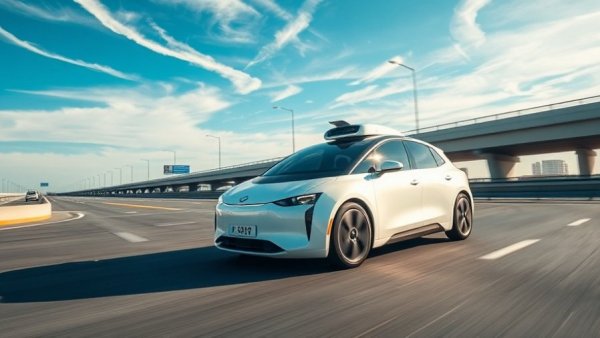
California's Bold Move Against Waymo
California has taken the significant step of banning Waymo's driverless vehicles from all state freeways, citing safety risks that have become apparent after troubling incidents involving the company's robotaxis. This decision, effective November 11th, raises critical questions about the fitness of autonomous vehicles for freeway operations and highlights the ongoing struggles of Waymo in navigating state regulations.
Incident Overview: Why the Ban Was Necessary
The California Department of Motor Vehicles (DMV) expressed concern after two alarming incidents in the Bay Area where Waymo robotaxis illegally entered active construction zones. These situations put not only passengers but also road workers at risk, prompting regulators to label the operations as an "imminent hazard to public safety." With a history of frequent incursions into these hazardous zones, the decision underscored the state's commitment to ensuring safety on its roads.
Challenges Facing Autonomous Vehicle Operations
Waymo's journey has not been smooth; since launching its driverless services, the company has faced various hurdles, particularly regarding safe freeway operations. Since beginning its testing on California highways in August 2024 and opening to the public in November 2025, the company voluntarily paused operations in May 2026 due to similar concerns. This history raises important questions about how autonomous vehicles are equipped to handle real-world complexities.
The Financial Implications for Waymo and Its Users
With Waymo banned from freeways, the impact on its business model is significant. Freeway operations are essential for maintaining competitive pricing, as without them, rides will significantly lengthen, resulting in higher costs for customers. Currently, Waymo's fares are already generally more expensive than their human-driven counterparts in Uber or Lyft. If this service discrepancy continues, it may deter potential users from adopting Waymo's system.
Future Considerations for Waymo: What Comes Next?
For Waymo to regain access to freeway operations, it must demonstrate to the DMV that it has implemented effective strategies to mitigate risks in construction zones. This entails providing solid evidence that operational improvements have been made. The outcome of this review will ultimately determine if Waymo can safely resume freeway services, which will be crucial for the company's viability in a highly competitive market.
Building Trust in Autonomous Technology
The situation with Waymo serves as a valuable lesson for the broader autonomous vehicle industry. As safety remains a paramount concern, regulatory bodies are becoming increasingly vigilant. This will require companies to not only innovate rapidly but also ensure that their technologies meet stringent safety standards before being deployed widely. Moving forward, businesses in the technology and automotive sectors will need to understand that compliance and safety are critical components of customer trust.
As executives and decision-makers witness these changes and challenges in real-time, it’s imperative to engage with the evolving landscape of AI and autonomous technology implementations. Keeping informed about industry benchmarks and regulatory developments can aid in making well-informed decisions as these technologies continue to advance. For tailored strategies and insightful discussions about navigating these complexities, connect with us here.





Write A Comment