

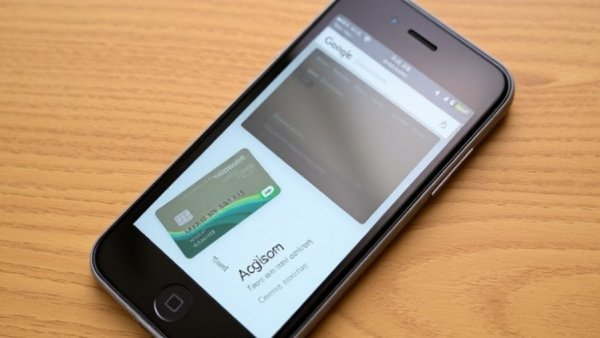
Google Wallet's Arrival on iPhone: A Game Changer for Digital Payments
The newly launched Google Wallet app for iPhone users is generating buzz in the tech community, particularly among executives and decision-makers exploring integration strategies for AI in financial services. Although users can manage their payment cards, loyalty, and membership cards effectively through the app, they will note the absence of a critical feature: tap-to-pay contactless payments. This limitation is due to Apple's restrictions, which prevent Google from providing a full-fledged payment solution similar to those available on Android devices.
Understanding Agentic Commerce: The Future of Transactions
Google is positioning Google Wallet as a significant player in the burgeoning field of agentic commerce. By leveraging its AI agents, particularly through the Gemini platform, users can enjoy a streamlined shopping experience. The 'Agents' section in the app allows consumers to manage task-specific purchases, providing visibility into ongoing transactions, completed purchases, and pending receipts. This strategy resonates strongly with current market trends, highlighting the significance of AI-driven actions in consumer behavior.
Behind the Technology: How Google Differs From Traditional Wallets
What sets Google Wallet apart is its underlying technology designed to facilitate AI-powered transactions. The Universal Commerce Protocol (UCP) and Agent Payments Protocol (AP2) are pivotal in enabling seamless communication between AI agents and retailers, setting a blueprint for future online commerce. Major retailers, including Walmart and Shopify, have rallied behind UCP, which speaks volumes about the collaborative effort within the retail industry to pave the way for AI's impact on transactions.
Implications for Executives in FinTech and Beyond
As decision-makers consider the implications of integrating AI into financial services, understanding the unique value propositions of digital wallets like Google Wallet becomes essential. The ability to streamline payment processes, track purchases, and utilize AI for intelligent transaction management signifies a step toward personalized consumer experiences. Moreover, this transformation aligns perfectly with the growing interest in AI and automation within various sectors, emphasizing that staying ahead of these trends is vital for competitive advantage.
Next Steps: Adapting to Change and Innovating
Executives must consider how technologies like Google Wallet can be incorporated into their digital strategies. As payment systems evolve to include AI's capabilities, organizations must adapt to meet new customer expectations. Investing in tools that support such AI integration will be key to remaining relevant in the fast-changing landscape of consumer finance. Utilizing solutions that merge traditional financial services with innovative technologies will ensure businesses not only keep pace but thrive in this new era.
In conclusion, while Google Wallet’s debut on iPhone may lack contactless payment features, it represents a significant shift toward AI-driven consumer engagement in payments. Executives and decision-makers are encouraged to explore these digital solutions to enhance their business strategies and take advantage of the benefits AI integration offers.
For further insights on how to integrate AI into your business strategy effectively, please visit this resource.




Write A Comment