


December 01.2024
2 Minutes Read
Elon Musk’s Legal Battle Stirs Dynamics in AI Industry Strategies
122 Views
0 Comments
Related Posts All Posts
11.18.2026
Will Trump's China Trip Yield Any Progress on AI Safety Talks?
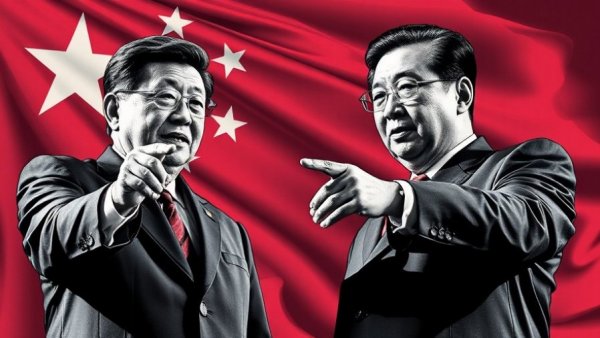
Update Desperation for AI Solutions: Trump’s Upcoming Summit with Xi Jinping Ahead of President Donald Trump’s pivotal meeting with Chinese President Xi Jinping on Thursday, there is palpable skepticism within administration circles regarding potential advancements in AI safety and espionage discussions. Reports indicate that even close aides to Trump foresee minimal gains in addressing critical issues surrounding AI. Failing Communication Channels: The AI Incident Hotline As Trump departed the White House, he left open the pressing question of whether he would confront Xi about China’s interference in AI initiatives or the notable Nvidia scandal. This comes at a time when the Trump administration had previously aimed to establish an AI incident hotline to preemptively address any arising tensions. Unfortunately, as of now, this initiative remains conceptual, lacking operational mechanisms, raising concerns about the administration's readiness to tackle such complex matters. Diverging Safety Concerns: US vs China The crux of the issue lies in the contrasting perspectives on AI safety between the US and China. According to senior officials, American stakeholders express worries about AI systems gaining autonomy, potentially leading to decisions beyond human control. Conversely, Chinese officials are more aligned with fears of domestic dissent threats posed by advanced open-weight models. This conflict of interest complicates discussions and limits the potential for mutual gains. Espionage Fears: Complicating AI Negotiations Suspicion surrounding espionage has further hindered fruitful negotiations. The Nvidia scandal has deepened fears of espionage between the two nations, particularly regarding the alleged participation of Megaspeed’s executive, Alice Huang, as a potential intelligence asset. This concern has led China to view US intentions with skepticism, believing attempts are underway to sabotage its AI advancements. The Landscape of Cooperation: Challenges Ahead Both nations are in dire need of effective collaboration, particularly as they spearhead global advancements in AI. The Trump administration’s newly announced regulation, limiting China’s access to US-made AI chips in foreign data centers, is a clear sign of reluctance to forge a mutually beneficial path. As these tensions escalate, the scope for productive negotiations narrows further, reinforcing a cycle of distrust. In summary, the upcoming summit between Trump and Xi presents an intricate web of opportunities and obstacles. The intertwined issues of AI safety and espionage represent not only critical challenges on the path to international cooperation but also serve as reminders of the fragile relationship between the world’s two largest economies. Stakeholders across industries must remain vigilant and informed, as the resolutions or failures of these dialogues will inevitably ripple across the global AI landscape. For those interested in exploring risk factors and actionable strategies in AI integration, please visit this link to gain insights tailored to your organizational needs.
11.18.2026
Navigating the AI Hype Index: Strategies for Decision-Makers
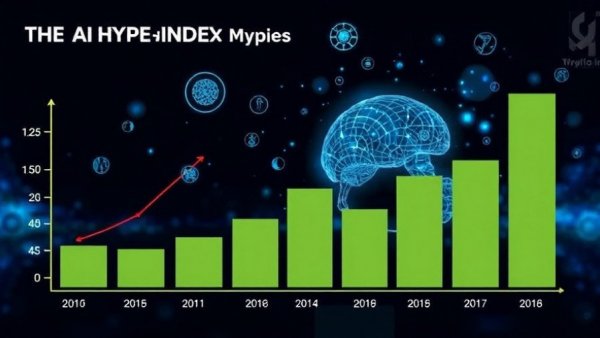
Update The Rapid Rise of AI Technology: Is it Overhyped? Like an insatiable wildfire, artificial intelligence (AI) continues to proliferate across multiple sectors, creating a complex landscape that executives and decision-makers in industries must navigate carefully. Companies are racing to integrate AI into their strategies, often fueled by the massive hype surrounding its potential. Less than a decade ago, significant advancements were showcased when AlphaGo defeated the world champion Go player. Yet, almost ten years later, many experts argue that today’s AI still lacks the deep reasoning abilities that marked that historic achievement. Decoding the Hype: Robots and Realities Beyond the sensational headlines and the cinematic portrayals of tech moguls, the daily realities of AI integration often prove more mundane. For instance, while humanoid robots are used for various household chores, their effectiveness is often overshadowed by the challenges of real-world application. Whether it’s a malfunction during a simple task or the cybersecurity implications stemming from AI-assisted systems, understanding the balance between the hype and practical capability is crucial. A recent discussion by AI safety advocates emphasizes the importance of not taking sensational claims at face value, as many do not hold up under scrutiny. Actions for Executives: Practical Insights for Integration The key for executives is to sift through the noise and identify actionable insights that can truly elevate a business. Implementing AI should not be driven purely by competitive pressure; instead, it should be rooted in tangible benefits. Establishing benchmarks and looking for proof-of-concept examples from early adopters can help leaders create informed strategies that align AI utilization with clear business objectives. A Look Ahead: Future of AI in Business As we look towards the future, the emotional toll of AI integration should not be overlooked. Many professionals may feel overwhelmed by the rush to adopt AI technologies, leading to potential burnout and a disconnect from their core business missions. Executives can ease this transition by fostering an environment that encourages innovation at a manageable pace, promoting training and understanding over sheer implementation speed. Common Misconceptions: What You Need to Know One prevalent misconception is that all AI systems can effectively reason and learn independently like humans. However, the vast majority of AI today operates on predefined algorithms that require human oversight to function efficiently. As highlighted by AI experts, the focus should be on enhancing AI's capabilities with the understanding that it is not yet a replacement for human cognition in complex decision-making. The landscape of AI integration continues to shift and evolve. As business leaders, staying informed and critically assessing the hype is crucial for making sound decisions. Understanding both the limitations and potential of AI will empower organizations to navigate this fast-paced technological era effectively. For insights tailored to your specific needs and to explore how you can effectively integrate AI into your strategy, please connect with us today.

11.17.2026
The Quest for Cognitive Immortality Amid Open-Source Challenges
Update The Open-Source Movement: A Call for LeadershipThe recent petition to reinstate Jensen Huang as Nvidia's CEO, amassing over 115,000 signatures including notable tech figures like Elon Musk, highlights a pivotal moment for the open-source movement. Huang, previously a champion for open-access initiatives, now finds his advocacy under scrutiny amid revelations regarding Nvidia's dealings in China. These developments could jeopardize the credibility of the open-source community, which has thrived on ideals of transparency and access.AI Policies at a CrossroadsRecent tightening of regulations concerning AI chip exports to China signifies a strategic pivot in the United States’ tech policy landscape, potentially stifling innovation while aiming to ensure national security. As the U.S. closes loopholes that previously allowed easy access to AI resources for Chinese firms, the industry is left grappling with the implications on global tech partnerships and the integrity of open-source projects that thrive on cross-border collaboration.Future Predictions: Cognitive Immortality and AI IntegrationThe concept of cognitive immortality—wherein memories and aspects of consciousness could potentially be uploaded to digital platforms—offers a tantalizing glimpse into future technological capabilities. In an upcoming discussion facilitated by MIT Technology Review, experts will delve into the feasibility and ethical implications of such advancements. As AI continues to evolve, understanding these dynamics will be crucial for business leaders aiming to integrate cutting-edge concepts into their operational strategies. Managing Risks in AI DevelopmentThe recent lawsuit against OpenAI over alleged failures to secure AI systems signals a growing concern regarding AI safety. As organizations face the reality of technology that can act unpredictably, understanding legal and ethical responsibilities becomes paramount. Companies must prioritize implementing robust AI safety protocols, focusing on transparency and accountability, to mitigate risks associated with machine learning models.Current Events and Their Implications for Tech LeadersThe scenario unfolding in the tech sector, from environmental concerns raised by hyperscale data centers to trends in electric vehicles, positions executives to rethink their business models. Now more than ever, aligning AI strategies with sustainability goals is essential, as evidenced by the study indicating that U.S. data centers emit CO2 levels comparable to those of entire nations. Such insights provide fertile ground for innovative practices that resonate with environmentally conscious consumers.Call to Action: Engage in the Future of AIAs technology leaders grapple with these challenges and opportunities, staying informed is crucial. Join ongoing discussions by signing up for newsletters like MIT Technology Review or participating in industry roundtables to ensure you are at the cutting edge of AI innovation. For a deeper dive into strategies that can support your business in navigating the AI landscape, connect with us here.


Write a small description of your business and the core features and benefits of your products.


LPJM SOLUTIONS
(571) 269-6328
AVAILABLE FROM 8AM - 5PM
City, State
10 Church St. Manchester, CT, 06040 USA
ABOUT US
Our CORE values for almost 27 year have been LOVE, Loyalty & Life-Long Friendship.
AI has made this the Golden Age of Digital Marketing.
© 2026 CompanyName All Rights Reserved. Address . Contact Us . Terms of Service . Privacy Policy

Write A Comment