

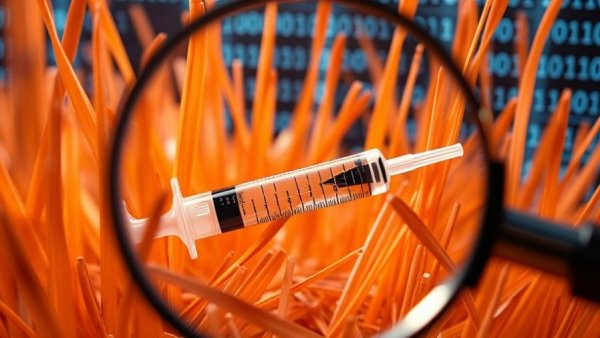
Revolutionizing Drug Discovery: A New AI Approach
In an era where the pharmaceutical landscape is evolving rapidly, the cumbersome journey of drug development remains one of the industry’s most significant challenges. Enter Potential Sciences, a pioneering startup driven by the ambition to overhaul traditional methodologies. By harnessing the power of artificial intelligence, the UK-backed company aims to navigate around the lengthy processes typically associated with discovering new drugs.
Understanding the Conventional Bottlenecks
The current drug discovery paradigm is notorious for its labor-intensive nature. Research teams spend years developing, testing, and refining compounds in hopes of producing a viable therapeutic product. This method not only involves substantial financial investment but also carries high risk, often resulting in the failure of most candidates before they reach the market. In light of these challenges, what's needed is an innovation that can streamline and optimize this exhaustive process.
How AI Models Can Make a Difference
Potential Sciences is turning to AI models that can analyze vast amounts of computer-generated biochemical data. By training these models on simulated data, the startup believes it can predict the efficacy of drug compounds more efficiently than traditional laboratory methods allow. This shift could drastically reduce the time needed to move from discovery to application, enabling quicker responses to emerging health challenges, such as new infectious diseases or unforeseen health crises.
The Role of Funding and Government Support
Backed by the UK government, the startup is part of a larger governmental push towards innovation in healthcare and life sciences. This support not only facilitates the technical development of their solutions but also signifies a broader recognition of the potential for AI in transforming healthcare frameworks. Decision-makers across various sectors should pay attention to these developments, as they offer valuable insights into how AI can be wielded to improve efficiency and outcomes.
Future Implications for Healthcare Policy
The adoption of AI technology in drug discovery signals a shifting paradigm not just in production practices, but also in policy-making. As AI becomes a more integral part of the drug development cycle, legislators and healthcare officials may necessitate updates to regulations to ensure safety and ethical considerations are met. Businesses and healthcare leaders must engage in dialogues about how policies can evolve in tandem with technological advancements to safeguard public health while encouraging innovation.
What This Means for Industry Leaders
For executives and senior managers, the emergence of AI-driven solutions like those offered by Potential Sciences presents both an opportunity and a challenge. The need to adapt and integrate these advancements into existing workflows could lead to enhanced productivity, competitive advantages, and ultimately improved patient outcomes. This ongoing evolution calls for a renewed focus on adaptability and agility in leadership strategies.
The future of drug discovery is not just about finding new compounds but about creating a sustainable ecosystem that harnesses technology responsibly. As AI technology continues to grow, stakeholders must remain open to understanding its impacts and leveraging it to redefine industry standards.
To learn more about how AI is reshaping industries and what it can mean for your strategy, click here.




Write A Comment