

The Future of Desktop Applications: Claude's Disruptive Innovation
In an era where technology is advancing at an unprecedented pace, Anthropic PBC has made headlines with its latest feature that allows users to generate functional desktop applications using its AI, Claude. With this introduction, the traditional software landscape could be set for a significant upheaval, as the line between AI and conventional desktop applications continues to blur.
How Claude is Redefining Application Development
The advent of Claude's “Install as App” feature comes with the promise of transforming virtually anything—be it an order tracker or a meeting dashboard—into a standalone application. This ability empowers users to create their own applications simply by describing them, thereby democratizing the process of app development. In a matter of seconds, Claude compiles the necessary code, facilitating access to applications without the cumbersome steps typically found in traditional software deployment.
The Appeal: Real Apps, Real Capabilities
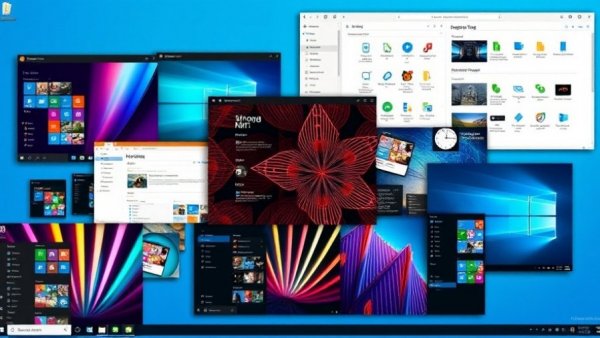
One of the most compelling aspects of Claude’s artifacts is that these apps are not merely running within a chatbot interface. Instead, they come equipped with their own icons and dedicated windows, enhancing user experience by offering functionality akin to established desktop applications. Notably, these apps are capable of sending notifications and can operate with Claude alongside third-party connectors, thus providing a rich interactive experience.
Challenges and Considerations for Users
However, while the promise of Claude-generated apps is enticing, it is essential to consider potential limitations. A significant drawback is the requirement for a constant internet connection to access these applications. Unlike traditional desktop apps that can function offline, users might face challenges during network outages, restricting their ability to perform essential tasks. Furthermore, users should be mindful of credit usage associated with requests to Claude, which could lead to increased costs if applications are heavily used.
Examples of Innovation in Action
Anthropic has demonstrated the viability of this new feature with practical examples. The introduction of unique applications such as Linnet, an image editor, and Phosphor, a cinematic file manager, illustrates the potential of AI-assisted development. These tools not only showcase Claude's capabilities but also highlight a paradigm shift towards more agile and responsive software solutions designed to meet user needs quickly and efficiently.
Implications for Businesses and Tech Leaders
For executives and industry leaders, the insights from Claude’s innovations present new opportunities. Organizations that can leverage AI to streamline application development stand to gain a competitive edge by rapidly deploying custom solutions tailored to specific needs. In embracing these technologies, companies must also strategize around the operational implications and cost management of using AI-driven applications.
Conclusion: Why Staying Informed is Crucial
As AI continues to encroach upon the domain of traditional software, understanding these developments is vital for organizational leaders. Adapting to changes in technology not only influences operational efficiency but also shapes strategic business directions. Businesses committed to innovation should continually assess AI's impact on traditional frameworks while exploring avenues to integrate these emerging tools into their strategies, fully aligning with the dynamics of the evolving tech landscape.





Write A Comment