

AI Reskilling: A Missed Opportunity for Companies
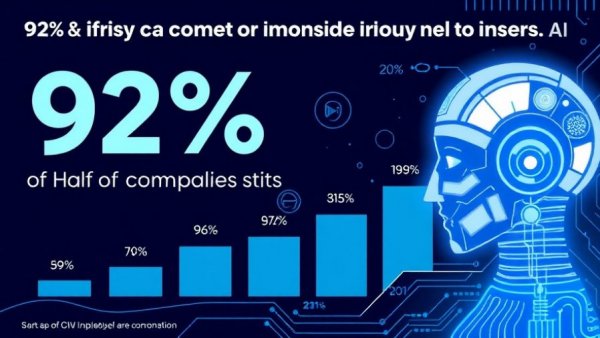
With emerging technologies automating tasks and creating new roles, the necessity of upskilling is more paramount than ever. Recent research by Careerminds shows that a staggering 92% of HR professionals believe that current employees can pivot to fill roles required by artificial intelligence (AI). Despite this, over half of organizations are still prioritizing external hires over internal reskilling, indicating a significant disconnect between perceived capability and hiring practices.
The Cost of External Hiring vs. Internal Reskilling
While hiring externally might seem like a quick fix, it often comes with increased expenses and longer onboarding times. The study points out that external hiring not only incurs higher costs but also takes longer compared to reskilling existing staff. Companies that choose to overlook their internal talent may be investing more than necessary for less favorable outcomes in the long run.
Understanding Barriers to Effective Reskilling
One of the key reasons companies struggle with AI reskilling is limited visibility into existing employees' skill sets. About 43% of HR professionals pinpointed this lack of insight as a barrier to effective training programs. The overreliance on external recruits suggests that companies may not fully understand the potentials locked within their own workforce, leading to inefficient use of valuable resources.
Industry Disparities in AI Hiring Approaches
The study also reveals that industries are not uniformly addressing the challenges posed by AI. For instance, in technology and telecom sectors, external hiring eclipses internal redeployment by 15%. Conversely, the media and entertainment industry appears to prioritize reskilling, with 56% of HR professionals reporting employee redeployment as a common practice compared to only 25% who turn to external hiring.
Transformative Insights for Leaders
For executives and decision-makers, these findings underscore the vital need for a strategic approach to workforce management in this technology-driven landscape. Organizations should consider developing clearer pathways for employee growth by categorizing existing skills and identifying training opportunities relevant to AI roles. Strengthening internal mobility not only empowers employees but also enhances organizational resilience against rapid technological changes.
Conclusion: The Path Forward
Organizations poised on the brink of AI-driven transformation must prioritize the reskilling of their existing workforce to harness untapped potential. To facilitate this change, companies should invest in platforms capable of assessing individual skills, enabling tailored training programs that prepare employees for future roles in an AI-driven workplace.
Whether you’re an executive or a manager, adopting a forward-thinking approach to employee development is imperative in today's fast-evolving job market. If you've enjoyed these insights and seek further exploration on this topic, don't hesitate to contact us.




Write A Comment