

Behind-the-Meter Gas Plants: A Growing Trend
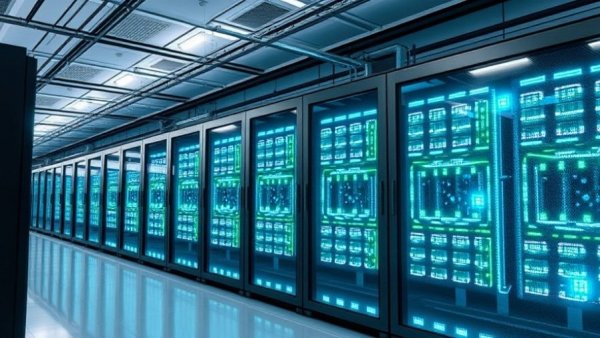
The rapid growth of artificial intelligence has propelled the demand for data centers to unprecedented levels. As developers race to set up these facilities, an emerging trend has surfaced: the construction of behind-the-meter natural gas power plants. By opting for their own energy sources, companies can bypass the lengthy and uncertain process of connecting to the electric grid, which can take years to finalize. As of late 2026, there are plans for over 100 of such installations across the United States, boasting a cumulative capacity of over 115 gigawatts — more than double California's peak energy demand.
The Economic Motivations Driving This Shift
Despite the higher costs associated with establishing on-site natural gas plants, many developers are choosing this path to expedite their timelines. According to Musfika Mishi of BloombergNEF, speed is currently the primary motivator for these on-site power solutions. The lengthy request process for a grid connection can deter companies eager to capitalize on the booming AI market, leading to their willingness to invest more upfront for immediate energy access.
Long-term Implications of Gas Infrastructure
While on-site natural gas plants may appear as a practical solution for bridging the gap until grid connections are established, analysts warn of potential long-term consequences. Brendan Pierpont from Energy Innovation cautions that these plants may become permanent fixtures, locking developers into fossil fuel dependency. This 'fuel lock-in' could undermine efforts to transition towards cleaner energy solutions. Given the U.S. grid's still considerable reliance on fossil fuels, it raises concerns about greenhouse gas emissions and sustainability in the data center sector.
Environmental Considerations: A Double-Edged Sword
Transitioning energy strategies in data centers signifies a critical crossroads. While the U.S. grid powers approximately 40% of its energy from nuclear and renewable resources, many installations continue to lean on fossil fuels, especially in regions lacking robust renewable infrastructure. This trend of building gas facilities could threaten long-term climate goals, as the initial setup is often framed as a temporary measure but could ultimately extend their operational lifespan significantly.
Strategies for Leaders in the Tech and Data Space
For executives in technology and data management, the rise of self-sustaining gas plants in data centers signals a paradigm shift. Decisions made today could have lasting repercussions on operational costs, environmental impact, and energy strategies. Forward-thinking leaders are encouraged to assess potential alternative energy sources and emphasize their commitment to sustainability while ensuring compliance with evolving regulations on energy use and emissions.
In conclusion, as data centers continue to evolve, leaders must navigate these new trends not only to optimize energy usage but also to align with broader sustainability goals. For further discussions on these emerging strategies in AI and data management, consider seeking insights from industry experts.





Write A Comment