

AI's Transformative Role in the Workforce
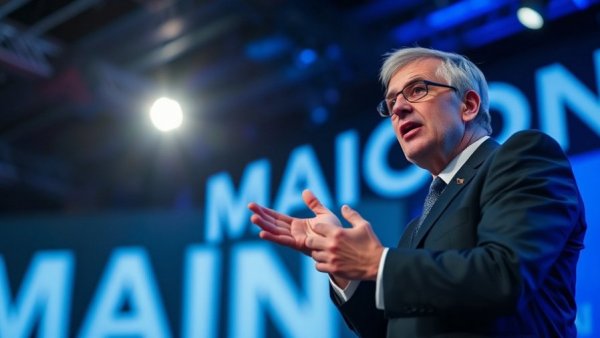
As we delve into the implications of artificial intelligence infiltrating entry-level positions, we must ask ourselves how this revolutionizes the very foundation of leadership development within organizations. According to Paul Roetzer, founder and CEO of SmarterX, if AI had existed in the early 2000s, his career path—including the formative experiences in marketing that ultimately shaped his expertise—might have taken a different trajectory. His insights, shared at MAICON 2026, bring to light a critical question: If AI handles the foundational work that shaped today’s leaders, who will ascend to be the next generation of leaders?
Redefining Career Progression in the Age of AI
Roetzer introduces a compelling framework that addresses the shifting landscape of career development. He suggests that traditional roles are evolving, moving past the conventional career ladder to a triadic structure comprising architects, orchestrators, and apprentices. The architect is responsible for the design and implementation of AI-driven systems, emphasizing the strategic placement of AI at the organizational level. The orchestrator, on the other hand, plays a pivotal role in guiding both AI and human contributors towards targeted outcomes, marking a shift from traditional management styles.
A New Era for Apprentices
The apprentice role is perhaps the most crucial in this framework. Rather than merely doing routine tasks, apprentices are expected to build their expertise through active observation and mentorship. By understanding how leaders leverage AI to make strategic decisions, they not only gain insight into problem-solving processes but also learn to value judgment over basic execution. This signifies a paradigm shift: organizations must now view entry-level recruitment as a long-term investment in future value rather than a means to source affordable labor.
The Imperative to Make AI Visible
Addressing the devaluation of human work, Roetzer underscores the importance of keeping AI operations transparent. Future leaders must witness the decision-making processes employed by their predecessors when engaging with AI tools. This visibility will ensure that apprentices are equipped with not just skills, but also the situational awareness necessary for impactful leadership in an AI-centric workplace.
Leveraging AI for Sustainable Growth
The dialogue clearly illustrates that simply integrating AI isn’t enough; organizations must use it strategically to foster growth. As productivity rises without a corresponding increase in workforce size, the question becomes essential: what roles should humans retain? The data suggests a restructuring where senior experts engage in mentoring roles, pushing down ‘junior’ tasks into layers more appropriate for those yet to lead, ensuring a balanced skill evolution across hierarchy levels.
The Future Outlook: Shaping Tomorrow’s Leaders
With the advent of AI in the workplace, organizations are faced with an unprecedented opportunity to rethink leadership development. As Roetzer articulates, the crucial determinant of success lies in an organization's ability to adapt and structure around AI capabilities. The emergence of skilled architects, orchestrators, and reflective apprentices offers a pathway to redefine the leadership landscape, urging organizations to prioritize immersive AI experiences over redundant entry-level roles.
To gain deeper insights into AI and its implications on future workforce dynamics, explore the session highlights from MAICON 2026. Click here to learn more and harness these strategies for your organization.





Write A Comment