

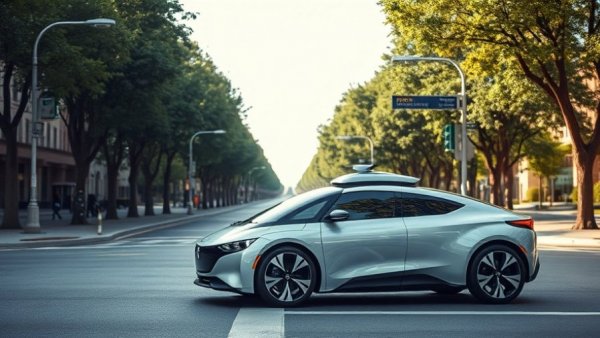
Waymo’s Autonomous Vehicles and the School Bus Dilemma
Waymo, a leader in autonomous vehicle technology, made headlines last year when it issued a recall for its self-driving software after instances where vehicles failed to stop for stationary school buses. This was not just a minor malfunction; it posed significant safety risks for children and other road users. Despite claims by Waymo that the issue had been resolved, recent inquiries from federal authorities suggest that the solution may not have been effective, raising questions about the reliability of autonomous technology in critical safety scenarios.
The Continued Challenges of AI in Autonomous Driving
As companies like Waymo push the boundaries of AI and autonomous driving capabilities, they face ongoing scrutiny regarding safety and operational efficacy. The United States government is now investigating further to understand why these safety measures did not succeed in preventing instances where vehicles ignored stopped buses—an issue that could have severe implications not only for public safety but also for the reputation and future viability of autonomous transport systems.
Implications for Industry Executives
For executives and senior managers, the Waymo situation represents a critical case study in AI integration and public safety. As autonomous technologies become more embedded in urban planning and transportation infrastructures, the fundamental question persists: How can organizations ensure that the software systems powering these technologies are both efficient and safe? This incident reiterates the importance of rigorous testing and compliance with regulatory standards, particularly in industries where human lives are at stake.
Lessons from Waymo: Navigating AI Ethics and Safety
Understanding the ethical implications surrounding AI deployment is essential for today’s decision-makers. The Waymo example provides a valuable learning opportunity. Executives need to recognize that deploying advanced technologies without thorough oversight and continued assessments can lead to significant repercussions. Furthermore, fostering a culture of transparency about the capabilities and limitations of AI systems is vital to gaining public trust and grappling with regulatory requirements.
What’s Next for Autonomous Driving Technologies?
The future of autonomous vehicles should prioritize not just technological advancement, but also community safety and regulatory adherence. As the government investigates Waymo's shortcomings, it is likely that regulations will tighten, leading to greater oversight of both the technology and its practical applications. Businesses operating in the AI space must stay ahead of these shifts and adapt to rising standards to remain competitive and maintain public confidence.
Call to Action
As an executive considering the integration of AI into your operations, it's imperative to stay informed and engaged with the evolving landscape of technology and policy. For more insights and strategies, join the conversation here.





Write A Comment