

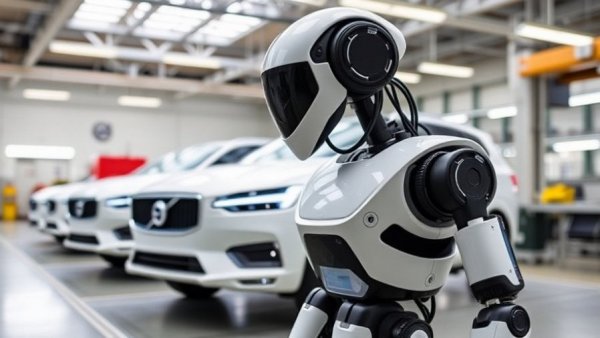
Volvo Ventures into Humanoid Robotics: A Bold Step in Automation
In an exciting move, Volvo Cars has taken a significant step towards integrating advanced automation within its manufacturing process by training humanoid robots at its Ghent factory in Belgium. This initiative, in collaboration with Hexagon Robotics, marks a pioneering effort for Volvo, making it the first of the automaker's plants to introduce humanoid technology in production. With a larger pilot program slated to launch in early 2027, the strategic vision for this advanced robotics integration aligns with the rising trend of leveraging AI and robotics in manufacturing.
The Future of Manufacturing: Embracing Humanoid Robots
As industries across the globe pivot towards automation, the utilization of humanoid robots is becoming increasingly prevalent. These robots are not just designed to perform repetitive tasks; they are set to complement human workers by enhancing productivity and safety in the workplace. Volvo's decision to implement AEON robots reflects a broader movement aimed at harnessing technology to streamline operations and improve efficiency—a key goal for executives in fast-growing companies focused on digital transformation.
The Big Picture: Why Automation Is Key to Growth
Automation presents numerous benefits, from cost savings to increased production rates. According to industry experts, companies employing automation technologies see up to a 30% increase in productivity. In an age where every second counts, supplying car manufacturers the ability to scale rapidly and tackle supply chain issues is vital. Volvo's plan to introduce humanoid robots aligns seamlessly with this trend, promising not only operational improvement but also resilience against market fluctuations.
Insights into the Human-Robot Collaboration
One of the most intriguing aspects of integrating humanoids into the production line is the potential for human-robot collaboration. The use of robots can alleviate the burden of mundane tasks from human workers, allowing them to focus on more complex, decision-oriented roles that require creativity and problem-solving—skills robots cannot replicate. This collaboration is poised to lead to more innovative solutions and can significantly modify workforce dynamics.
Echoing Industry Trends: Learning from Competitors
Volvo is not alone in this venture; several automotive giants have also begun exploring the implications of robotics in manufacturing. Other notable industry players are investing in automation and artificial intelligence to stay competitive. For executives in technology-driven sectors, analyzing competitor movements is crucial to adjusting their strategies accurately, ensuring they stay ahead of the automation curve.
How Executives Can Take Action Now
To leverage the benefits of advanced robotics within their own operations, executives should consider investing in training and adaptation strategies that prepare their workforce for collaboration with machines. Additionally, embracing and promoting a culture of innovation will be essential as organizations navigate the changing technological landscape.
As we observe Volvo taking the initiative with humanoid technology, it becomes evident that the future of manufacturing holds promise for organizations that dare to innovate. For executives wishing to explore the implications of these changes in their sectors, understanding the full potential of automation will be pivotal in driving growth and sustainability.
Got questions or want to explore how your organization can adapt to this evolving landscape? Connect with us today!





Write A Comment