

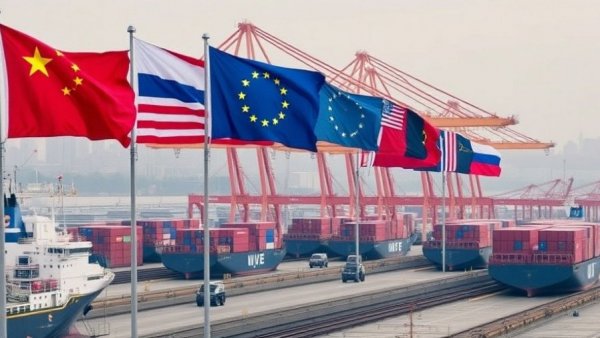
US Tariff Proposals: A Standoff with Global Partners
On Wednesday, the United States announced a proposal for new tariffs targeting 14 trading partners, including major economies such as China, the European Union, Japan, South Korea, and Taiwan. This move signals a significant escalation in trade tensions as the U.S. aims to address what it identifies as "structural excess capacity" in these nations, a term primarily referring to factory outputs inflated by subsidies that undermine American manufacturing competitiveness.
The Implications of Tariff Expansion
The rationale behind the proposed tariffs hinges on a desire to level the playing field for U.S. businesses. With industries like steel and aluminum already heavily affected by previous tariffs, this round appears geared towards broader sectors, potentially affecting everything from technology to consumer goods. Executives in fast-growing companies must be mindful of the ripple effects these tariffs could have on supply chains, costs, and competitive positioning in both domestic and international markets.
Historical Context: Lessons from Past Tariff Implementations
The U.S. has a complicated history with tariffs that can serve as a cautionary tale. For instance, the steel and aluminum tariffs implemented in 2018 were intended to protect domestic industries but resulted in retaliatory measures from affected nations, ultimately leading to increased prices for consumers and strained relationships. As executives navigate this landscape, understanding past implications is crucial in developing a proactive strategy that addresses both current threats and future opportunities.
Global Reactions and Countermeasures: A Game of Diplomatic Chess
International reactions to U.S. tariff proposals can be swift. Countries affected often retaliate, leading to tit-for-tat tariffs that can escalate tensions into trade wars. Leaders within the impacted nations may seek to protect their own interests through negotiations or by leveraging international trade organizations like the WTO to contest perceived unfair practices. For U.S. companies, maintaining a global perspective is essential even as they manage localized impacts.
Opportunities Amidst Challenges: Innovating in Times of Distress
While tariffs can introduce operational hurdles, they also present opportunities for innovation, particularly in how companies reorganize their supply chains to mitigate increased costs. Embracing advanced technologies such as AI and automation can enhance operational efficiency and bolster competitive positioning against subsidized foreign products. Executives should be pondering which technologies can help ensure resilience in their business models as trade uncertainties loom.
The Future of Trade Relations and Business Strategies
The current geopolitical climate suggests that trade tensions may continue to evolve, potentially opening the door for new agreements or, conversely, leading to further confrontations. For executives, the best response may be a dual strategy that involves immediate risk mitigation while continuously seeking opportunities to drive innovation. Engaging in strategic planning and diversifying markets and supply channels can position businesses more favorably against unpredictable trade policies.
Conclusion: Engage, Strategize, and Innovate
As executives formulate their responses to these new tariff proposals, it is essential to engage with current trends, explore strategic alternatives, and remain adaptable amid uncertainty. The nuances of international trade require a dynamic approach, emphasizing both defense against potential costs and strategic opportunities for innovation. For tailored strategies directly impacting your business and market positioning, consider scheduling a consultation at this link.




Write A Comment