

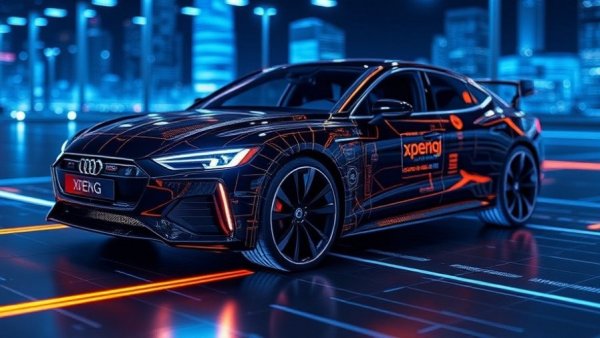
The Future of AI in Robotics: WorldGPT’s Comprehensive Approach
Imagine a world where autonomous vehicles not only navigate the roads but also teach robotic arms how to perform delicate tasks like pouring a cup of coffee without spilling it. XPENG's recent unveiling of WorldGPT showcases a groundbreaking step in artificial intelligence that could revolutionize how machines learn and interact. This model integrates six different machine types—cars, boats, drones, and various robotic forms—all learning from shared experiences, akin to a classroom of diverse students.
How Shared Learning Transforms Machine Intelligence
Central to WorldGPT's innovation is the concept of a 'cloud teacher' model. Instead of each machine learning independently, the system enables them to share knowledge about distances, object recognition, and movement prediction. What this means for industries using robotics is significant: as machines learn from one another, the burden of training each unit decreases, allowing faster deployments and improved functionality with every iteration.
Benchmarking AI Performance: What to Watch for
XPENG has reported high benchmark results for its multi-faceted capabilities, including attaining first positions across autonomous driving and robotic manipulation tasks. However, these metrics also require cautious interpretation, as many benchmarks can lack comprehensive control over training data. Decision-makers in industries planning to integrate robotics should consider asking vendors for not just high-level performance metrics, but detailed proofs of concept on pilot tasks that mimic real-world conditions. This ensures that the capabilities can translate well from simulation to practical application.
Practical Insights for Decision Makers
For executives and managers exploring robotics, the introduction of WorldGPT could represent a pivotal moment. Businesses evaluating robotics should frame their checklist around critical performance indicators, such as setup time, operational efficiency, and the machine's ability to function in unpredictable settings. By rigorously assessing these metrics, organizations can mitigate risks when integrating new technologies into established workflows.
Potential Impacts Across Industries
The implications of WorldGPT extend beyond the automotive and robotics sectors. As various industries adapt, we may witness a transformation in how tasks are executed in healthcare, manufacturing, and even customer service. Robotic systems equipped with shared learning capabilities might work more effectively alongside human teams, fostering collaboration rather than confinement within specified tasks.
Conclusion: Enhance Your AI Strategy
Understanding models like XPENG’s WorldGPT is crucial for businesses aiming to maximize their integration of AI into operations. The shared learning model presents not only technological advancements but also strategic insights that can shape future business landscapes. Leaders must stay informed on these trends, continually assessing how these innovations fit into their long-term objectives.
For more transformative insights and to discuss strategies tailored to your business needs, connect with us: Chat with our experts today!





Write A Comment