

Transforming Organizational Interactions with Voice AI
Conversational AI is innovating the way humans interact with technology, from virtual assistants to AI-enhanced contact centers. This voice-first interface is becoming the default communication mode for millions around the world. However, meeting user expectations for a natural conversational experience poses significant challenges. Delays in response can interrupt the flow of conversation, causing frustration and loss of trust.
Understanding Latency in Voice Applications
In real-time applications like contact centers and telehealth, AI agents must deliver responses instantly. As users expect interactions resembling human conversations, maintaining ultra-low latency becomes crucial. To meet these demands, new technologies are emerging, such as State Space Models (SSMs), which promise to overcome traditional latency issues associated with older text-to-speech models.
Advantages of State Space Models for Voice Processing
Typically, AI voice solutions rely on transformer-based models which process entire sequences before generating speech. This approach often results in higher latency. In contrast, SSMs utilize a sequential processing method that allows them to generate output in real time while maintaining quality, avoiding the high computation costs often associated with transformers. Some distinct advantages of SSMs include:
- High-quality long-range dependencies: SSMs maintain information over lengthy audio sequences, a feat that classical recurrent networks struggle with.
- A constant memory footprint: Unlike transformers that store all previous tokens, SSMs utilize a fixed-size hidden state, allowing for efficient processing.
- Native streaming support: Their structure allows for true streaming without requiring significant architectural changes.
Real-World Application of Cartesia Models
Cartesia, leveraging these advanced SSMs, has developed two primary voice models: Sonic for text-to-speech and Ink for speech-to-text. With an impressive track record in real-time processing, both models are optimized for responses that align with human interaction expectations:
- Sonic: Delivers speech synthesis with a first byte latency of approximately 90ms, multi-language support, and the ability to clone voices from minimal data.
- Ink: Offers real-time speech-to-text capabilities that minimize awkward pauses and detect speaker turns seamlessly.
Deployment Options on AWS
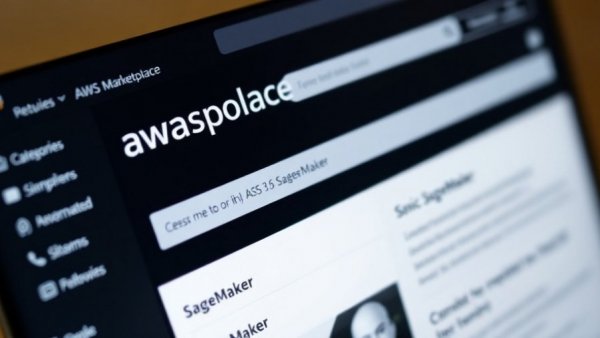
Organizations looking to leverage Cartesia's capabilities can choose between managed deployment via Amazon SageMaker and self-managed options on EC2 instances. Each method offers unique benefits ranging from fast deployment timelines with minimal operational overhead to the flexibility and control provided by managing your own infrastructure.
When deploying Sonic via Amazon SageMaker, teams can get started quickly, reducing wait times and simplifying the process. In contrast, the self-managed path allows for more customized integrations, meeting specific networking requirements and existing setups.
The Value of Integrating AI into Business
Integrating voice AI technologies like Cartesia's into your organization can dramatically improve operational efficiency and customer interactions. With enhanced real-time responsiveness and quality, businesses can automate complex customer interactions while fostering trust and loyalty.
Getting Started with Voice AI
For organizations interested in exploring the benefits of ultra-low-latency voice AI applications, next steps include:
- Deploying Sonic through SageMaker JumpStart for instant access to tools.
- Exploring the Cartesia API for seamless integration.
- Accessing reference architectures available on GitHub for sample projects.
- Contacting Cartesia directly via AWS Marketplace for further assistance.
Explore these pathways to enhance your organizational communication through innovative voice AI solutions.
Start your journey with Cartesia's voice AI technology today!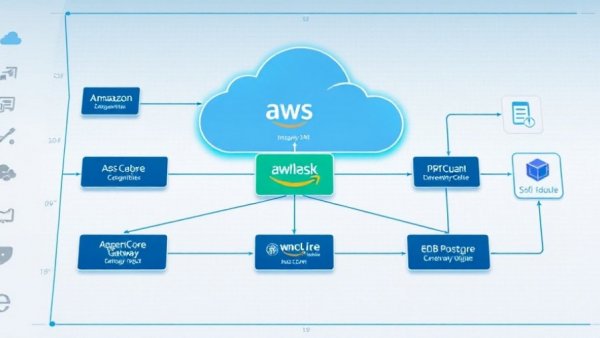


Write A Comment