

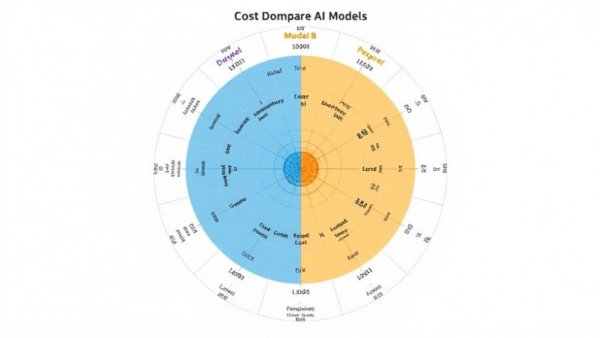
Understanding Cost Per Task in AI Workflows
In a landscape heavily defined by efficiency, understanding the costs associated with AI workflows is crucial for enterprise leaders. The focus on cost per task rather than the misleading cost per token equates to more accurate financial assessments of AI implementations. Each task represents a complete unit of work—whether it’s resolving a support inquiry, processing an invoice, or answering user queries. Recognizing this helps organizations address the real financial implications of deploying AI and other technologies.
Identifying Hidden Cost Drivers
A significant challenge in accurately assessing AI cost is the existence of hidden drivers that traditional pricing pages do not disclose. These include:
- Tokenizer Efficiency: Different models utilize different tokenizers, which can lead to disparity in costs based on the specific data presented, especially for non-English payloads.
- Output Verbosity: Output tokens can often cost more than input ones, indicating that how a model generates output can significantly impact the overall cost.
- Agentic Loop Efficiency: The way a model manages multi-step processes affects pricing; models that can execute tasks in fewer steps can lead to substantial savings.
- Reasoning Overhead: Extended reasoning capabilities can increase cost—the trick is to balance quality and cost-effectiveness.
Reducing Costs Through Intelligent Strategies
Organizations should embrace strategies like prompt caching, intelligent routing of tasks, and limiting the verbosity of model outputs to enhance cost efficiency. For example, implementing caching can significantly decrease redundant processes, while model routing can send simpler requests to more cost-effective models.
Metrics for Evaluating ROI
Ultimately, proving the return on investment (ROI) for AI agents requires rigorously documented human baselines before implementing AI solutions. Understanding the original workflow—time to completion, escalation rates, and task quality—is essential. By measuring these factors, organizations can create a clear framework for determining if the AI implementation is saving costs and improving efficiency compared to traditional methods.
Cultivating a Culture of Continuous Improvement
Leaders who prioritize ongoing evaluations of their AI systems can ensure they continuously optimize expenses and improve service quality. More importantly, fostering a responsive framework allows organizations to adapt quickly to evolving market demands, ensuring long-term sustainability in their AI usage.
Conclusion and Next Steps
As organizations embark on the AI journey, measuring task costs and ROI using comprehensive frameworks becomes essential. By focusing on the efficiency of workflows and leveraging data-driven insights, business leaders can make informed decisions that enhance both operational efficiency and cost-effectiveness. If you're ready to explore more about AI's transformative potential, be proactive and take the next step: learn more here.



Write A Comment