

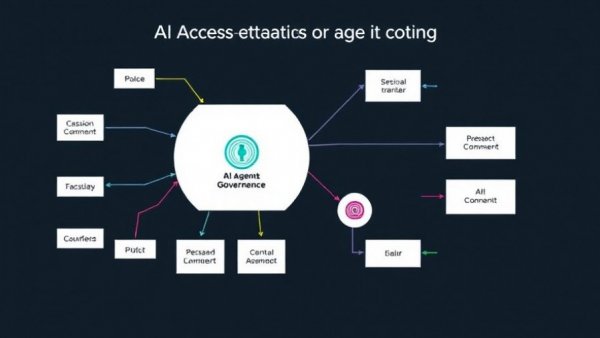
Understanding AI Agents and Access Governance: A New Paradigm
As AI continues to integrate into various business processes, executives, especially those in top leadership roles like CEOs, CMOs, and COOs, must navigate new challenges in governance and security. The introduction of Okta's Cross App Access (XAA) and Amazon's Bedrock AgentCore provides a solution for effectively managing AI agents that operate within applications on behalf of users. This integration not only streamlines operations but also enforces stringent governance protocols.
How Okta and Amazon Bedrock Work Together
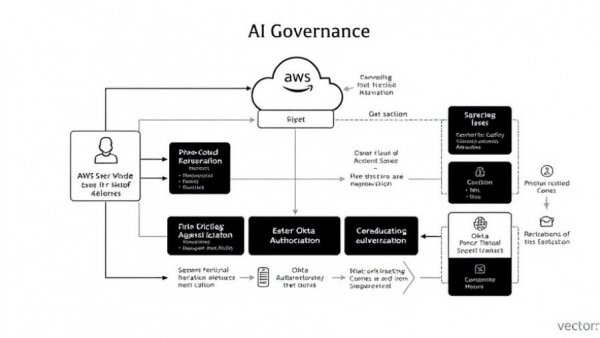
At its core, Okta XAA allows organizations to define and manage the permissions of AI agents. By registering an AI agent in Okta, administrators can readily approve necessary application access, ensuring that the agent only acts within predefined scopes. This proactive approach mitigates risks associated with overreach, fostering a secure environment for AI implementation. For instance, once an administrator revokes an agent's access to a user, Okta can enforce this decision almost immediately—within seconds—ensuring compliance and security in real-time.
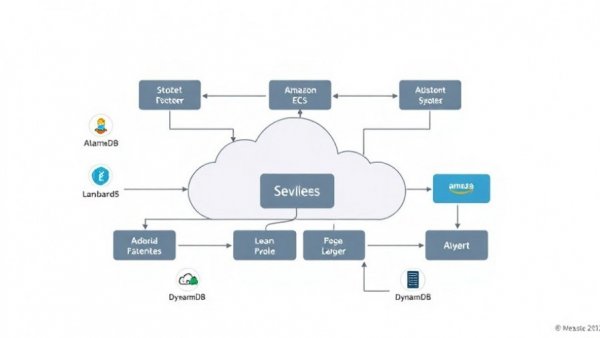
Similarly, Amazon Bedrock AgentCore complements this governance framework, providing the architecture to build, connect, and optimize these AI agents at scale. As organizations leverage Bedrock, they can ensure that even when AI agents operate independently, they are held accountable to the same standards as any human operator.
The Importance of Token Management
The interaction between Okta and AgentCore hinges on a well-managed token system that validates and authenticates each request made by AI agents. Each request carries three distinct tokens: the ID token that identifies the user, the Identity Assertion JWT Authorization Grant (ID-JAG) reflecting Okta's decisions, and the access token used by the resources. This layered approach to authentication ensures that the right permissions are enforced, aligning with corporate policies while also maintaining operational efficiency.
Future Insights: Navigating the AI Governance Landscape
The landscape of AI governance is evolving rapidly, and as firms move towards greater AI integration, shared governance frameworks like Okta and Amazon Bedrock will become crucial. Companies that embrace these technologies can expect not only to enhance their predictive capabilities but also to safeguard their digital assets against unauthorized access. The steps outlined above form a foundational knowledge base for implementing these governance strategies effectively.
Implications for Organizational Leadership
The implementation of AI agents through frameworks like Okta XAA and Amazon Bedrock demands that CEOs, CMOs, and COOs stay informed about governance strategies—this requires continuous learning and adaptation. The potential benefits of organizational transformation through AI can be immense; however, they come with responsibilities that need rightful attention. As leaders, understanding this duality of opportunity and risk will empower organizations to function sustainably in an AI-driven world.
Take Action to Secure Your AI Implementation
For leaders eager to leverage AI effectively, now is the time to act. Explore practical insights and governance strategies that can bolster your organization’s capability to manage AI agents. Visit here to discover more about how you can transform your business with secure AI integrations.



Write A Comment