

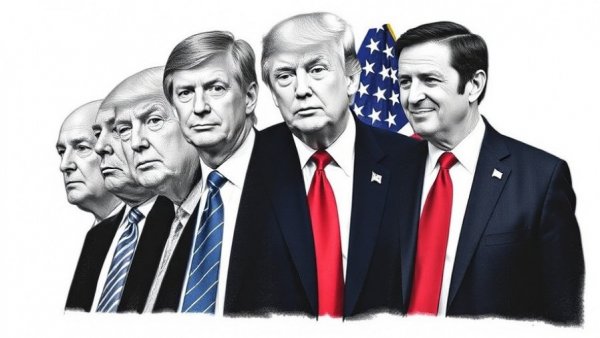
Rebranding AI: The Introduction of 'Super Intelligence'
In a bold move reflecting his administration's brand-centric approach to language and policy, President Trump recently signed an executive order that mandates the rebranding of artificial intelligence (AI) to 'Super Intelligence' or 'SI'. This change underscores not just a shift in terminology, but emblemizes Trump's ongoing effort to reshape narratives—be it through naming bodies of water or demarcating federal agencies' priorities.
The rationale behind this rebranding is to emphasize how contemporary AI systems amplify human ingenuity rather than merely replicate cognitive functions. This shift suggests a profound transformation in how technology interacts with daily life, one that is more engaging than simply referring to machines that mimic human thought processes.
The Political Ramifications of Terminology
As seen with previous rebrands, words under Trump's administration carry weight. The term 'Super Intelligence' extends beyond a mere label; it evolves into a political litmus test. By promoting this new term, the administration implicitly pressures stakeholders—from government officials to media outlets—to align with its preferred vocabulary. Failure to comply can result in public rebuke and a loss of favor, much like what occurred when the Associated Press faced backlash after not adopting the term 'Gulf of America'.
As two-thirds of Americans now utilize AI technologies regularly, the adoption of this term will likely have a significant cultural impact, suggesting that even language can become a conduit for loyalty to political figures.
The Response from Government Agencies
In the wake of the executive order, government agencies are already integrating 'Super Intelligence' into their communications, with the term appearing in new solicitations and official documentation. For example, ICE is currently seeking partnerships to develop 'SI-powered' surveillance technologies, signaling a commitment to this updated nomenclature. Nevertheless, the transition has not been seamless, as hiccups arise in public messaging, with longstanding terms still being used in communications from the Pentagon and the Federal Trade Commission.
A researcher highlighted this discomfort, citing the difficulty government employees face in adjusting their lexicon. As of early October, even high-ranking officials, such as Defense Secretary Pete Hegseth, erroneously reverted to using 'AI' in public statements.
Broader Social Considerations
The implications of this rebranding extend to the general public. By actively reshaping widely used terms, the administration steers conversations about technology and governance. This tactic could influence how citizens perceive and engage with AI technologies—potentially generating support for government policies that leverage this brand identification.
For instance, Trump's critique of the Wall Street Journal for not adopting 'Super Intelligence' underscores his commitment to ensuring alignment among influential media entities. This approach aligns with a broader trend where language not only dictates understanding but also loyalty and identity within political landscapes.
Call to Action
As the conversation surrounding AI evolves with this linguistic shift, it’s important for executives and decision-makers in various industries to stay informed. Understanding these nuances can aid in strategizing how to align company narratives with the current political and technological landscape. For actionable insights and guidance on integrating AI into your strategy, connect with us.





Write A Comment