Imagine you enter a search in Google—your results instantly display a mix of expert how-tos, thoughtful reviews, and trusted advice. Ever wonder why some pages always seem to win top spots? This isn’t random. It’s the result of Google’s evolving emphasis on EEAT: a powerful focus on Experience, Expertise, Authoritativeness, and Trustworthiness. Discover how understanding “what is EEAT in SEO” can transform your approach, help you build trust, and boost your content quality in search engine results. Unveiling EEAT: Why It Matters in Search Engine Optimization
If you’re invested in your site’s search engine optimization, you’ve likely heard about EEAT—a framework Google uses to assess content quality. The main keyword here, what is EEAT in SEO, is central to understanding how digital content is evaluated today. EEAT isn’t just another acronym; it forms the backbone of how search engines distinguish trustworthy, valuable pages from those unworthy of prime search results real estate. Practical insights for webmasters, marketers, and content creators begin with this: mastering EEAT aligns your strategy with Google’s changing standards, allowing your work to be rewarded for genuine skill and reliability. As search engine algorithms become even more sophisticated, attention to EEAT not only helps you rise in rankings—it helps build trust with your real audience, fostering loyalty that’s crucial for long-term success. Addressing EEAT at a high level means embracing a deliberate approach to quality, moving beyond mere keyword optimization. Quality raters and search engine algorithms work in tandem, referencing the EEAT framework as a litmus test for content quality. If you prioritize transparent authorship, cite credible sources, and reflect real-world know-how, you’re inherently boosting your EEAT profile. That’s why “what is EEAT in SEO” is a question every digital business or website owner must answer to thrive in today’s search landscape. Setting the Scene: A Real-World Search Experience
Picture a professional sitting at a sunlit workstation, coffee in hand, performing a live search for critical health advice or a major purchase. The top results feature clearly cited author bios, case studies, and links to respected organizations. In contrast, obscure or vague sites sit below. This snapshot is the direct result of how search engines interpret EEAT—prioritizing genuine, helpful content over outdated or untrustworthy material. What You'll Learn About What Is EEAT in SEO Gain a clear definition of EEAT in SEO
Understand EEAT’s components and how they impact content quality
How EEAT interfaces with search engine algorithms
Practical steps to build trust with your audience and Google
Application of EEAT for content creators and website owners Defining What Is EEAT in SEO: Mastering the Basics
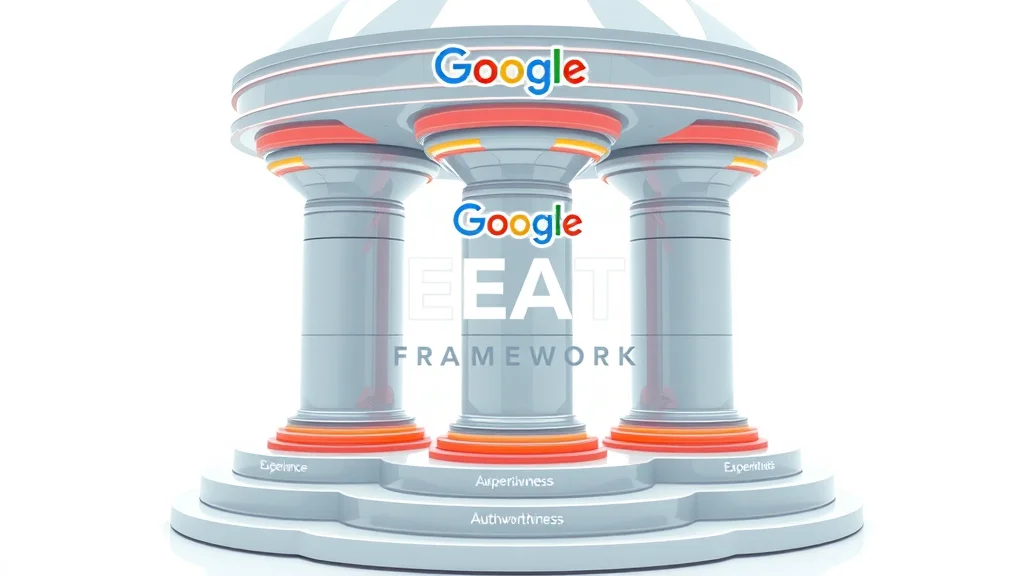
At its core, what is EEAT in SEO stands for Experience, Expertise, Authoritativeness, and Trustworthiness. This set of principles is not just a buzzword—it reflects how Google and other search engines distinguish high-level, helpful content from the ordinary. Understanding these pillars is the first step to aligning your site with search quality rater guidelines and boosting your online authority. When these factors are present, content earns higher visibility and credibility, key for website growth in the competitive digital landscape. EEAT is interwoven into search engine optimization, influencing how content is ranked and displayed in search results. Digital marketers and website owners often ask: “Is EEAT a direct ranking factor?” While not a singular algorithmic metric, neglecting EEAT can leave your site languishing behind competitors. The search quality rater framework scrutinizes content for first-hand knowledge and signals of reputability—a must for content creators targeting YMYL (Your Money or Your Life) topics, product reviews, or any advice requiring real trust. Breaking Down the EEAT Acronym: Experience, Expertise, Authoritativeness, Trustworthiness
Let’s decode each letter in EEAT. Experience refers to demonstrable, first-hand knowledge relevant to the topic. This can include personal case studies or real-world project outcomes. Expertise centers on subject-matter depth—credentials, years of immersion, or a proven record in the field. Authoritativeness is what others say about you: are your contributions cited, is your brand respected, and do you show leadership in your niche? Finally, Trustworthiness means users can rely on your content, privacy, and transparency, whether you’re sharing health guidance or financial stability tips. Every high-level, quality content piece ranks better when these elements are front and center. Where Does EEAT Fit in Search Engine Optimization?
EEAT acts as a user-first compass for engine optimization. It’s a guiding principle that supports the search engine’s mission: surfacing reliable, helpful content and demoting misinformation. Whether you’re optimizing for on-page, off-page, or technical SEO, integrating EEAT signals (such as referenced credentials or a transparent editorial process) is now an essential part of your toolkit. The more convincingly you answer, “what is EEAT in SEO?” in your content and about page, the more you build trust with both your audience and Google's ranking systems. As SEO strategies shift toward prioritizing real user value, EEAT provides a bridge between technical optimization and genuine audience connection. Google’s quality rater guidelines have steadily expanded to include more explicit EEAT criteria, especially around YMYL pages and product review accuracy. This evolution ensures that content creators keep their sites not only search-friendly but also resilient to future updates. How Quality Rater Guidelines Use EEAT in Content Evaluation
The quality rater guidelines give real people—called quality raters—a checklist for evaluating whether a web page demonstrates EEAT. These raters review everything from author reputation and on-page transparency to evidence of hands-on experience. For instance, if you’re writing about a complex medical or financial issue, raters will check for citations, credentials, and references to authoritative sources, flagging any gaps or red flags. Ultimately, the better your content aligns with the EEAT framework, the more likely it is to be rated as high quality—helping your content (and your audience) succeed in search engine results. The Origins and Evolution of EEAT in Search Engine Quality Rater Guidelines
The origins of EEAT are rooted in Google’s pursuit of greater search quality. Initially, the notion of “expertise” emerged as a way to help users separate credible advice from unreliable sources. As search engines grew more sophisticated, they expanded this approach, releasing broad and detailed quality rater guidelines meant to keep pace with evolving content threats like AI tool misuse, low-effort generated content, and misinformation. EEAT was born from the need to ensure trustworthy results, especially for high risk or YMYL topics—think health, finance, legal, and news. Over time, quality raters have become the standard bearers for what ultimately surfaces in search results. Their evaluations inform algorithmic changes, shaping the way search engines handle content quality, author bios, and transparency. For content creators and digital marketers, staying aligned with the intent behind these guidelines is paramount—Google doesn’t just reward keyword-stuffed pages anymore. Instead, it favors those that authentically showcase experience, subject expertise, and clear intent to build trust. How Quality Raters Influence Search Engine Results
Quality raters do not directly set rankings, but their real-world reviews influence Google’s understanding of which signals matter most. Every year, quality rater feedback leads to refinements in search algorithms that further emphasize the importance of EEAT. These assessments not only cover YMYL pages—where financial stability or user health may be at stake—but also include general reference, news, product review, and even blog content. Their feedback on whether content is safe, well-sourced, and easy to use is reflected in future ranking factor adjustments. For example, if a rater panel identifies patterns of trustworthy authorship and transparent sourcing on top-ranking sites, Google updates its systems to look for these signals more rigorously. As a result, genuinely helpful content authored by recognized experts (not just generated content) stands a much higher chance of surfacing at the top of search engine result pages. Historical Perspective: The Introduction of EEAT to SEO
When EEAT was introduced, the focus was originally just EAT—expertise, authoritativeness, and trustworthiness. Over time, Google recognized the need to also reward first-hand experience—hence the crucial “Experience” update. This shift mirrored user expectations: searchers wanted content created by those who’d actually “been there and done that. ” This historical development has fundamentally changed not just rater guidelines but also the expectations for content creators worldwide. The transition to EEAT made it clear that quality could not be established through expertise alone. The importance of experience elevated user testimonials, hands-on demos, and practical advice in YMYL topics, while ongoing algorithm updates cemented this change as a high-level, evergreen aspect of SEO best practices. Why EEAT Became Vital for Content Quality on the Web
In a sea of AI tools and mass-produced, generated content, EEAT became the bulwark against declining search quality. As the web grew larger and algorithms grew smarter, the need for human review and discernment skyrocketed. EEAT’s core intent is to cut through the clutter, ensuring users receive only information that’s been vetted, is built on real expertise, and reflects genuine intent to build trust. “Google’s ongoing updates to its Quality Rater Guidelines underscore the critical role that EEAT plays in shaping the web’s landscape. ”
What Is EEAT in SEO’s Direct Impact on Content Quality
EEAT directly impacts how search engines judge the helpfulness, reliability, and depth of web content. Pages that meet or exceed EEAT standards are more likely to be seen as quality content, earning better rankings and more user engagement. For content creators, this is about more than simply avoiding spam; it’s about making every blog, review, and info page truly helpful content. Whether you’re tackling YMYL topics or building an e-commerce storefront, spotlighting author bios, expertise, and transparent sourcing sends crucial signals to raters and algorithms. The ripple effect of EEAT touches every element of content development. For instance, content creators who frequently update credentials, provide clear references, and respond thoughtfully to feedback are shaping their online presence in ways that not only help their users but also align with the clearest search engine ranking principles. How Content Quality is Assessed with EEAT
Content is rated for EEAT based on tangible signals visible to both users and algorithms: Who created the content? Are they qualified to speak on the topic? Is their advice or review transparent, balanced, and supported by credible sources? Does the site demonstrate a history of integrity and clear user purpose? High-level EEAT involves weaving these signals throughout your content, from headers and author profiles to citations and secure user interactions. Quality raters look for evidence of personal experience (especially on product reviews or YMYL topics), documented expertise, third-party signals of authority, and an obvious commitment to user trust. This multilayered approach has made EEAT an essential component of search quality and not just an optional signal for advanced SEO practitioners. Common Pitfalls and Misinterpretations of EEAT
A frequent misstep is treating EEAT as a simple checklist or assuming its implementation is only necessary for regulated industries. In truth, every website benefits from highlighting experience, expertise, authoritativeness, and trustworthiness. Misinterpreting EEAT by overemphasizing one element—such as adding credentials but neglecting transparent sourcing—can leave content looking incomplete or biased, reducing both user confidence and ranking opportunities. Another pitfall is substituting generic, generated content (like mass-produced product reviews by AI tools) for genuine, first-hand insight. Content creators should avoid over-optimizing for algorithms in ways that diminish readability or dilute real audience value. Remember, the ultimate goal is to build trust and deliver genuinely helpful content—something that both quality raters and search engine algorithms are tuned to reward. The Link Between High-Level EEAT and Search Engine Visibility
High-level EEAT is closely linked to increased search engine visibility. Sites consistently demonstrating robust EEAT tend to achieve not just higher rankings, but also more sustainable, long-term traffic gains. Google’s aim is to surface the most credible, insightful answers—not just those with meticulous keyword targeting. Strong EEAT signals ensure your site is recognized as a leader in its niche, helping both users and search algorithms see your content as the natural choice for top placement. “Quality content means content built with user trust and credible expertise—core tenets of EEAT. ”
Breaking Down Each EEAT Component: A Closer Look
Understanding what is EEAT in SEO at a granular level is crucial for maximizing its benefits. Each pillar contributes uniquely to your site’s authority and long-term stability in search engines. Let’s examine the practical impact of each element—experience, expertise, authoritativeness, and trustworthiness—and how they drive content quality and search quality alike. Experience: Evidence of First-Hand Knowledge
The “Experience” in EEAT emphasizes the value of first-hand involvement—like product reviews based on actual use or health advice rooted in lived reality. Search engines look for signs that content is informed by genuine experience (e. g. , photos, videos, or detailed anecdotes). For product review and YMYL pages, demonstrating firsthand knowledge is a major quality signal that distinguishes your content from generic, generated content. For content creators, sharing case studies, testimonials, or detailed walkthroughs builds user trust, reinforcing your authority not just in the eyes of algorithms, but, importantly, with your audience as well. Expertise: Depth, Accuracy, and Specialized Insight
Expertise refers to the depth of your knowledge, accuracy, and evidence of continuous learning in your domain. Whether discussing technical engine optimization or recommending financial products, expertise is reflected in experience as well as up-to-date, fact-checked information that helps users make confident decisions. YMYL topics especially require high expertise, with clear signals of who the author is and why they’re qualified. Ways to amplify this element include providing comprehensive guides, listing professional credentials in author bios, and linking to authoritative research or case law as evidence. The more your content signals specialist insight, the higher its assessed value from both human and algorithmic reviewers. Authoritativeness: Building Recognition and Authority in Your Niche
Authoritativeness is built through external validation—other sites referencing your expertise, being cited as a resource, or contributing to key industry discussions. Social proof, awards, media interviews, and official endorsements help boost a content creator’s profile. The more your name or brand appears across reputable platforms, the more “authority” you accrue in Google’s eyes. This component is especially crucial for websites in competitive fields or anyone addressing YMYL topics. Building up a strong online reputation, gathering testimonials, and contributing thought leadership pieces can rapidly increase your perceived authoritativeness and, subsequently, your search engine standing. Trustworthiness: Security, Transparency, and User Perceptions
Trustworthiness is about ensuring users feel safe, heard, and respected when engaging with your site or brand. Secure HTTPS protocols, transparent privacy policies, clear contact information, and honest disclaimers all reinforce this trust. For YMYL and e-commerce sites, displaying verifiable reviews, updating credentials, and maintaining an accessible user support channel elevates project trust levels. Even strong content quality will falter in rankings if user trust is lacking. Openly addressing mistakes, showcasing an unbiased editorial process, and encouraging user feedback all send strong signals that you care about search quality and are committed to genuine audience value—not just fleeting ranking factor boosts. Helpful Content and the Role of EEAT
EEAT-powered content consistently proves more helpful to users. Google's helpful content update explicitly rewards pages created to satisfy user intent, answer queries comprehensively, and support readers with guidance from verified sources. Whether writing technical guides or personal reviews, helpful content demonstrates the full EEAT spectrum—experience through case studies, expertise via references, authoritativeness by third-party citations, and trustworthiness via clear ownership and contact data. This user-first focus is what makes EEAT not just a search ranking principle but a foundation for any successful digital brand looking to build trust. How EEAT in SEO Influences Search Engine Rankings
There’s no direct ranking button for “EEAT,” but failing to optimize for these elements can prevent great content from reaching its full ranking potential. Search engine algorithms don’t simply read for keywords—they actively look for signals correlating to the elements of experience, expertise, authoritativeness, and trustworthiness. For content creators and SEO strategists, answering “what is EEAT in SEO?” and applying its lessons is synonymous with sustainable, long-term visibility. As ranking factors evolve, search engines are increasingly sophisticated at deciphering between AI-generated content and material reflecting true experience and insight. The future belongs to those who consistently showcase first-hand knowledge and industry respect at a high level. Is EEAT a Ranking Factor or a Guiding Principle?
EEAT itself is not a single, direct ranking factor—there’s no checkbox in Google’s algorithm for “authoritativeness” alone. Rather, it’s a guiding principle embedding dozens of specific ranking signals such as author transparency, citation usage, content accuracy, and user trust indicators. Optimizing for EEAT connects every aspect of your web presence to what search engines actually value for user satisfaction and search result quality. When combined with on-page, off-page, and technical SEO best practices, EEAT transforms “helpful content” from an abstract goal into a measurable, actionable process. How Search Engine Algorithms Interpret EEAT Signals
Today’s search algorithms are built to detect a web of interconnected EEAT signals: schema markups identifying authors, consistent use of secure domains, referenced expertise across the web, and natural, helpful content as judged by quality raters. Even AI tools are trained to recognize and boost these elements in their outputs, rewarding content built with user value in mind. The algorithms cross-reference backlinks, citations, user engagement, and author bios to identify authority and trustworthiness. This data-driven evaluation gives websites that answer “what is EEAT in SEO” with well-rounded, user-first strategies a long-term edge in search engine results. The Intersection of EEAT, Generated Content, and Ranking Factor Discussions
As AI-generated content becomes more pervasive, distinguishing between authentic, helpful content and mass-produced filler is increasingly critical for search quality. Search engine guidelines now routinely advise reviewing and verifying any generated content before publication, especially for YMYL topics. For content creators, combining the efficiency of AI tools with strict editorial oversight is vital—direct experience, specialist insight, and proven authoritativeness should always remain central, even in a world of algorithm-driven production. EEAT works alongside other ranking factors, amplifying content that genuinely solves user problems and sidelining content created solely to game algorithms. Comparing EEAT Components and Search Engine Ranking Signals EEAT Component
Example Signal
Associated Ranking Factor Experience
Personal case studies, real testimonials
User engagement, on-site interaction Expertise
Certifications, well-documented credentials
Author schema markup, citation quality Authoritativeness
Inbound links from reputable sites
Backlink quality, mentions in media Trustworthiness
HTTPS, privacy policy, honest reviews
Site security, user trust metrics Applying What Is EEAT in SEO: Actionable Steps for Content Creators
For content creators, answering “what is EEAT in SEO” with robust, user-focused strategies is essential. Start by evaluating the presentation of your expertise, refreshing your author bios, and integrating clear proof of first-hand experience into every guide, review, or opinion piece. Implementing practical steps—like referencing authoritative sources, maintaining a transparent editorial process, and ensuring strong on-site security—underpins lasting trust. Here’s how webmasters and content creators can put EEAT into practice every day. Optimizing Content Creators’ Profiles for EEAT
Begin with a transparent, compelling author bio for every major piece of content. List credentials, highlight years of hands-on experience, and link to relevant publications or professional organizations. Regularly update credentials to keep your expertise current—a detail not lost on quality raters or attentive readers. Add a human element by sharing case studies, contributing to reputable third-party blogs, or including multimedia evidence of your experience. The goal is not just to pass search engine scrutiny, but to help users immediately sense why they should believe, trust, and return to your site. Practical Strategies for Building Trust and Authority
To build trust and authority, develop a rigorous editorial policy that mandates proper sourcing and transparency for every article or review. Link only to credible, relevant sources and cite where appropriate—especially for YMYL or financial stability topics. Encourage honest user feedback by making it easy to report inaccuracies or share experiences on your platform. Enhance site trustworthiness further by employing robust security (e. g. , HTTPS, regular audits), updating About and FAQ pages, and clearly outlining how editorial decisions are made. This creates an environment where users and search engines alike recognize your commitment to quality content. Understanding YMYL Topics and Money or Your Life Content
YMYL stands for “Your Money or Your Life. ” These pages require the highest EEAT standards because they deliver advice that could impact users’ finances, health, or safety. For such topics, every detail matters: up-to-date author credentials, clear medical or financial disclaimers, and regular review by recognized professionals. The stakes are high—both for users and site owners. Google’s rater guidelines are strict for YMYL pages to guard against misinformation, making robust, honest, and thoroughly sourced content the only safe route to sustained high-level visibility in search results. Safeguarding Against Low-Quality, Generated Content
Automated, generated content is easy to scale—but without human review, it can fall short of EEAT standards. Content creators should ensure every piece undergoes fact-checking, transparency audits, and compliance checks for privacy and security requirements. Lean on AI tools for research, but always add a layer of human insight and experience before publication. Regularly update credentials and experience in author bios
Link to authoritative sources and cite where appropriate
Maintain a transparent editorial process
Implement strong security protocols for your site EEAT, Quality Raters, and the Future of SEO
As search engines become even smarter, future updates will almost certainly place more emphasis on EEAT, inspired by quality raters’ feedback and evolving user expectations. For anyone invested in SEO, prioritizing EEAT in your content strategy is the surest way to future-proof your digital presence. Quality raters remain essential to this process—constantly evaluating search engine performance by checking for alignment with evolving EEAT guidelines. Their ongoing assessments influence not only the next generation of ranking factors but also the direction of content development across the web. How Quality Raters Use EEAT to Evaluate Search Engine Performance
Quality raters use EEAT to benchmark whether search results match user intent, accuracy, and trust requirements. Their ongoing audits help clarify unclear guidelines and surface new best practices, ensuring search engines reflect real-world standards and continue delivering helpful content. By referencing rater feedback, Google can swiftly recalibrate its approach to encompass the most relevant and helpful ranking factors. This collaborative cycle—between human raters, algorithms, and content creators—means that the definition of what is EEAT in SEO continually evolves, always geared toward higher quality and greater user benefit. Predictions: The Growing Importance of EEAT in Search Engine Optimization
With misinformation, mass-produced generated content, and algorithmic gaming rising, Google will likely escalate the prominence of EEAT in future updates. Expect more explicit requirements for transparency on YMYL pages, broader reliance on verifiable credentials, and greater penalties for unverified or duplicate content. Websites embracing EEAT as core policy—not just a one-time checklist—will reap the rewards in search result longevity and user loyalty, outpacing competitors locked into shallow, obsolete SEO tactics. Preparing Content for Possible Future SEO Shifts
Aim to bake EEAT into every aspect of your content workflow—from topic ideation and research, to writing, editing, and feedback collection. Stay alert to new guidelines, leverage feedback from users and raters, and continuously refresh your expertise signals and transparency measures. Tomorrow’s dominant digital brands are those laying deep roots in the principles of Experience, Expertise, Authoritativeness, and Trustworthiness today. “Future SEO success will hinge on embracing EEAT principles at every stage of the content lifecycle. ”
Frequently Asked Questions about What Is EEAT in SEO
What is the E-E-A-T model of SEO?
The E-E-A-T model in SEO outlines Experience, Expertise, Authoritativeness, and Trustworthiness. These principles guide content quality standards and help search engines assess which pages are the most helpful and trustworthy for users. What are the 4 types of SEO?
The four main types of SEO are on-page SEO, off-page SEO, technical SEO, and local SEO. Each type addresses different aspects of search engine optimization to improve website visibility and authority. Is E-E-A-T a ranking factor?
While EEAT itself is not a direct ranking factor, its components influence many underlying signals that search engine algorithms evaluate when ranking pages. What is the difference between eat and E-E-A-T?
'EAT' refers to Expertise, Authoritativeness, and Trustworthiness, while 'E-E-A-T' adds 'Experience' as the first element, reflecting the growing emphasis on first-hand expertise in content evaluation. Key Insights and Lasting Takeaways on What Is EEAT in SEO EEAT empowers content creators to align with evolving search engine standards
Adopting EEAT can build user trust and foster higher quality content
Staying up-to-date with EEAT best practices is central to future SEO success Discover More About What Is EEAT in SEO
For more information, visit: https://localpartnershipjointmarketsolutions.com/ or call: (571) 269-6328











Write A Comment