

Revolutionizing AI Scalability: The Pluggable Agentic AI Framework
In the rapidly evolving world of artificial intelligence, the ability to seamlessly integrate and scale AI agents in an enterprise setting is paramount. The question that many businesses face is, "How do we run our AI agents in production at scale?" This inquiry encapsulates a range of challenges from user request handling to maintaining agent reliability under real traffic conditions. The gap between a proof-of-concept and a fully operational system that delivers consistent, secure, and efficient performance is where numerous AI initiatives stall, often not due to the AI models themselves but due to the foundational architecture supporting them.
The Seven-Layer Composable Architecture
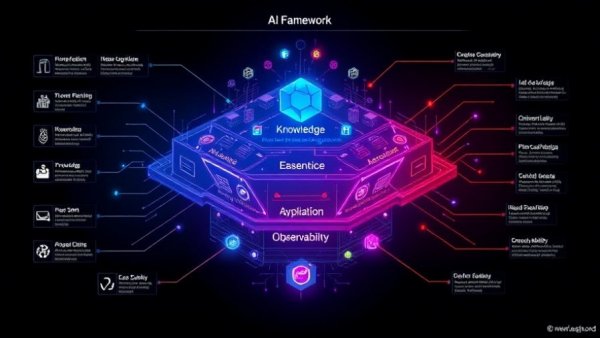
The Pluggable Agentic AI Framework offers a structured solution to these challenges by proposing a seven-layer architecture designed to transition multi-agent applications from prototype to production seamlessly. Each layer has distinct responsibilities, ensuring clarity and coherence across technical demands. This architecture is not merely a static blueprint but a versatile framework that organizations can adapt to their specific needs.
Foundation of Data and Knowledge
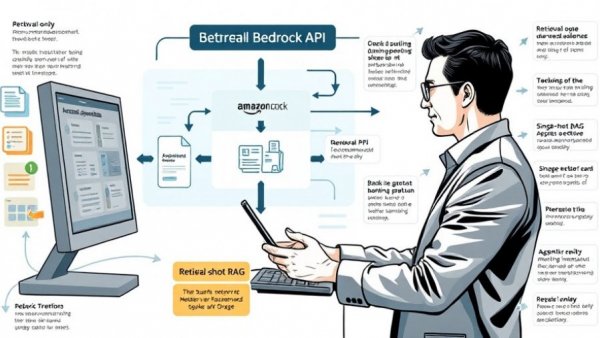
At the heart of any effective AI agent is a robust foundation of data and knowledge. An agent's efficacy hinges on the quality and relevance of the information it accesses, whether that pertains to healthcare, inventory management, or compliance regulations. This framework outlines how data retrieval processes and knowledge bases, such as Amazon Bedrock and DynamoDB, provide the essential context needed for intelligent decision-making.
Flexible Model and Inference Strategies
Decoupled model and inference choices allow organizations to tailor their AI agents based on task complexity and performance requirements. Conversely, this flexibility minimizes the need for extensive reprogramming as models evolve, further enhancing the systematic approach provided by the framework. This flexibility fosters resilience in deploying specialized models for varied tasks, reinforcing the importance of adaptable AI architectures.
The Role of Security and Guardrails
As enterprises delve deeper into AI, security and governance become imperative. The Pluggable Agentic AI Framework emphasizes the importance of integrating security measures at every level of the architecture from the outset rather than as an afterthought. This proactive stance ensures agents operate under defined security protocols—significant especially as AI applications introduce unique risks like data poisoning or unauthorized tool access.
Enhancing User Experiences Through Application Design
Crafting the application layer effectively is crucial, as it is the front-facing aspect of AI interactions within an organization. By keeping this layer lean and focused, businesses can innovate user interfaces without compromising the integrity of backend operations. The architecture advises avoiding the incorporation of unnecessary business logic within the application, thereby streamlining user interactions with AI agents.
Continuous Performance Monitoring: The Bedrock of Reliability
To ensure ongoing performance and adaptability, the framework advocates for continuous evaluation through observability. By implementing comprehensive monitoring solutions like Amazon CloudWatch, organizations can track the performance of their AI solutions, ensuring they meet desired standards consistently. This data-driven feedback loop empowers teams to make informed decisions in optimizing input-output processes and maintaining operational excellence.
Practical Implementation: Bridging Theory with Practice
To illustrate the practical benefits of the Pluggable Agentic AI Framework, the architecture includes a reference implementation focused on retail customer support. Utilizing a supervisor agent to coordinate responses between multiple specialized agents, the case reflects real-world applications of the seven-layer architecture, showcasing its adaptability while yielding practical outcomes like enhanced order management and customer service.
Concluding Insights: Shaping the Future of AI in Enterprises
The Pluggable Agentic AI Framework presents a compelling architecture that not only facilitates the integration of AI agents into production environments but also simplifies upgrades and technological migrations—essential for businesses aiming to maintain a competitive edge. By adopting design principles that prioritize security, data integrity, and functionality, organizations can future-proof their AI investments, making the transition from concept to deployment less daunting.
To explore how your organization can implement these insights for transforming your AI strategies, please [click here](https://bit.ly/MIKE-CHAT) for more information.



Write A Comment