

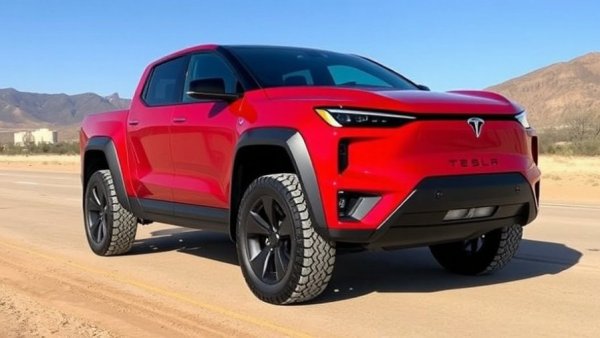
Transforming the EV Landscape: The Rise of Cybercabs
Tesla's decision to wind down Cybertruck production to focus on Cybercabs marks a significant pivot in the company's strategy. With the EV market rapidly evolving, Elon Musk is steering Tesla towards a new frontier: automated two-seat robotaxis, or Cybercabs. Announced via a recent post on X, this shift underscores Tesla’s commitment to leading the charge in the burgeoning autonomous vehicle market.
The Future of Transportation: Why Robotaxis Matter
The transition from Cybertruck to Cybercab might seem surprising, but in light of current trends, it makes sense. As cities grow increasingly congested and sustainability becomes a priority, the demand for efficient, shared transportation options is on the rise. Studies indicate that the robotaxi sector is poised for significant growth, with the global market valued at billions and expected to expand substantially in the next decade.
The Role of Cybercabs in Urban Mobility
According to industry projections, urban mobility is set to evolve dramatically by 2030. Consumers are gravitating toward more sustainable and efficient transport methods, which makes Tesla's Cybercabs a timely innovation. By focusing on this segment, Tesla can not only stay ahead of competitors but also align itself with global shifts towards smart cities and eco-friendly transportation solutions.
Challenges Ahead: Balancing Innovation and Production
While the announcement reflects strategic foresight, Tesla is still navigating challenges that come with scaling up production of Cybercabs. Transitioning manufacturing capabilities from Cybertrucks to Cybercabs will require investment in technology and workforce retraining. Additionally, regulatory hurdles could impact how quickly these autonomous vehicles can hit the streets. The promise of robotaxis is bright, but the journey to widespread adoption is fraught with complexities.
Conclusion: The Importance of Adaptability in Tech Innovations
Tesla's pivot to Cybercabs serves as a reminder of the importance of adaptability within the fast-paced tech landscape. Executives in digital transformation must continue to embrace change and innovate continuously to stay relevant. With the automotive world shifting beneath our feet, companies must ask: how will we respond to changes in market demands?
Stay informed and engaged with the latest in technological advances and corporate strategies. If you find yourself curious about the future, connect with experts and industry leaders to discuss what these developments mean for your business. Join the conversation today!





Write A Comment