

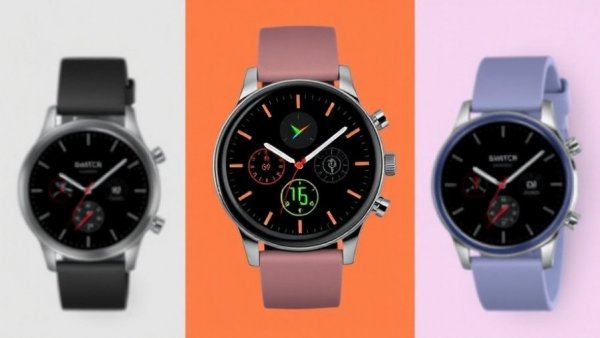
Samsung's Shift to a Biannual Smartwatch Release Cycle
Samsung Electronics has made a significant decision to alter its product launch strategy, specifically regarding its Galaxy smartwatch series. As reported, the anticipated Galaxy Watch 10 will not arrive until 2028, with Samsung shifting to a biannual release schedule. This strategic maneuver comes amidst the backdrop of rising production costs, particularly for RAM, and a streak of consecutive financial losses, prompting the company to adopt stringent cost-cutting measures.
Why Change the Launch Cycle?
The idea of reducing the frequency of smartwatch launches isn’t without precedent. Other major players in the tech landscape, particularly Apple, have also faced scrutiny regarding the incremental nature of annual updates. For instance, the Apple Watch Series 11 had a similar chip to its predecessor, illustrating that substantial technological advancements are not always present in yearly iterations. By embracing a biannual schedule, Samsung can essentially build a more compelling case for upgrades and enhance consumer anticipation between launches.
The Benefits of Waiting
Consumers might find solace in Samsung's decision to slow down the release cycle. Focusing on biannual updates allows the company to invest more time in innovation, potentially leading to watches that bring noteworthy upgrades rather than mere incremental changes. This approach could also lead to software enhancements rolling out across existing models, an effective strategy seen in many brands that strive to extend the utility of previous purchases.
Implications for the Technology Market
As the tech landscape continues to shift, the strategic choices made by industry leaders like Samsung may signal a broader trend towards sustainability in consumer electronics. By reducing the frequency of new product releases, companies can not only manage costs but also mitigate the environmental impact associated with manufacturing and disposing of tech devices. For executives and decision-makers, observing these shifts can provide a roadmap for how their own organizations might rethink launch strategies in the face of economic pressures.
What This Means for the Future of Smartwatches
The transition to a biannual release cycle for smartwatches may very well redefine consumer expectations. With fewer launches, each new product will need to represent a leap forward to justify the purchase. As software updates continue to enhance previous models, consumers may take a more measured approach to upgrading, allowing Samsung to cultivate brand loyalty rooted in anticipation and trust.
For industry leaders looking to innovate, the lesson is clear: sometimes, less is more. Prioritizing quality over quantity could lead to more meaningful advancements and set a precedent for future developments in the tech sphere.
To explore further insights and discussions on this topic, consider joining our community of leaders in technology and strategy. Engage with us and offer your perspectives — it’s time to rethink how innovation is approached in a rapidly evolving tech landscape.





Write A Comment