

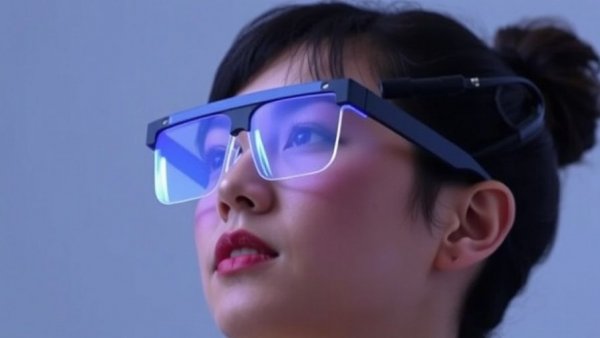
AI Eyewear: A New Era of Smart Glasses
As Samsung and Google prepare to launch their highly anticipated AI-powered Intelligent Eyewear, priced at $395, the tech world watches with bated breath. Available for preorder starting November 12, this innovation promises to blend vision correction with artificial intelligence, enabling users to interact with their environment in unprecedented ways. Designed in collaboration with eyewear giants Warby Parker and Gentle Monster, these glasses are not just fashion accessories but portals to digital intelligence.
Exploring the Features of Intelligent Eyewear
Imagine walking through an unfamiliar city, and with a simple voice command, your glasses can provide directions or even identify landmarks—this is the reality that Google’s Gemini assistant aims to deliver. With capabilities such as real-time translation, visual assistance, and navigation via Google Maps, users can interact seamlessly with their surroundings. Each pair boasts a 12-megapixel camera, four microphones, and open-ear speakers, bringing hands-free convenience into daily life.
The Need for Compatibility: A Crucial Factor
However, there’s a caveat: not all smartphones are created equal when it comes to compatibility with these cutting-edge features. Potential buyers need to consider their devices carefully, as the advanced capabilities such as Guided Vision are initially limited to specific Android models, leaving iPhone users with a more basic version of functionality. Having the right phone isn’t just a preference but rather a necessity if users want to maximize the glasses' benefits.
Privacy Considerations in AI Technology
With growing concerns around privacy and data security, particularly in AI technologies, Samsung and Google have established protocols to safeguard user information. An indicator light alerts others when the camera is active, addressing privacy at a time when public scrutiny is high. Visuals captured are processed without identifying bystanders, a necessary step in ensuring ethical AI deployment.
Future Implications of AI Integration in Interfaces
As we step into a future where AI interfaces become more prevalent in consumer electronics, understanding the implications for businesses and their strategies becomes essential. The integration of AI into everyday tools not only enhances user experiences but could potentially transform operational efficiencies and customer interactions across various sectors. Companies that leverage such innovations effectively could gain a significant competitive edge, but they must also navigate challenges related to compatibility, privacy, and user trust.
In conclusion, as Samsung and Google pave the way with their AI-powered Intelligent Eyewear, stakeholders across industries need to adapt their strategies to incorporate these advancements responsibly. Interested in exploring how to implement AI solutions in your business? Connect with us for actionable insights!




Write A Comment