

Carbon Removal: The Hope and Hurdles of Enhanced Rock Weathering
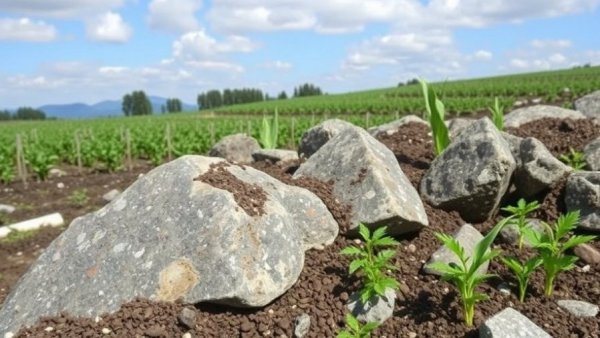
In an era where combating climate change is at the forefront of global initiatives, tech giants such as Google and Microsoft are placing significant investments into the promise of rocks—specifically, the process of enhanced rock weathering (ERW). This innovative approach aims to capture and sequester carbon dioxide through the strategic application of crushed alkaline rocks like basalt and olivine across agricultural lands. The ambitious goal? To potentially remove 3 to 8 billion metric tons of carbon dioxide annually, offering a dual benefit of enhancing soil quality.
Navigating the Balance: Soil Quality Versus Crop Yields
Despite the enticing prospects, new preprint studies from researchers at CarbonPlan cast a shadow of doubt over these initiatives. They indicate that excessively applying such materials could inadvertently hinder crop production—the lifeblood of farming communities. The studies reveal that to maintain crop yields, farmers may need to limit the amount of rock applied, consequently slashing the carbon removal potential of ERW to under a billion tons per year. Tyler Kukla, research scientist at CarbonPlan, emphasizes the "massive amount of uncertainty" surrounding the efficacy of ERW, adding that as the push to implement these methods grows, so too does the need for greater understanding and caution.
How Enhanced Rock Weathering Works
The chemical dynamics behind enhanced rock weathering pose both scientific interest and practical promise. In simple terms, when it rains, carbon dioxide forms carbonic acid, which weathers silicate rocks, ultimately leading to natural carbon storage in the ocean as organisms use these materials to form calcium carbonate shells. ERW accelerates this age-old process by grinding rocks into finer particles to increase the surface area for chemical reactions. The results? Enhanced soil nutrients and better water retention, thereby improving agricultural productivity. Farmers already utilize limestone for soil amendments, making the transition to other carbon-sequestering rocks seemingly straightforward.
The Road Ahead: Addressing the Uncertainties
While the concept of using rocks for carbon removal has garnered backing, it presents various questions and challenges. Determining the exact carbon sequestration capabilities of ERW remains a data-driven puzzle. As the field advances, answering key questions regarding its implementation and potential crop yield impacts will be vital. Stakeholders must engage in comprehensive research and testing to refine application processes and ensure that the balance between environmental benefits and agricultural sustainability is achieved.
Actionable Insights for Executives and Decision-Makers
As executives, senior managers, and industry decision-makers draw lessons from the unfolding narrative of ERW, critical considerations emerge: What are the implications of investing in experimental carbon capture techniques? Is the potential carbon removal significant enough to outweigh the inherent risks to crop yields? Stakeholders in agriculture, technology, and sustainability must align their strategies and research efforts to cultivate practices that empower farmers while contributing to broader environmental goals.
Ultimately, the shift towards ERW not only signals a transformative approach to carbon sequestration but also highlights the intersection of agriculture and climate technology. Companies considering investment in such technologies should conduct thorough evaluations, potential risk assessments, and forge partnerships with research institutions to navigate this challenging yet promising landscape effectively.
For those interested in the crossroads of technology, sustainability, and agricultural practice, engaging in discussions and exploring partnerships can illuminate viable paths forward. Join the conversation and discover actionable insights!




Write A Comment