

Understanding the Rise of Robotics in Warehousing
The landscape of warehouse automation is evolving rapidly, as demonstrated by the recent Series A funding of $75 million secured by Tutor Intelligence Inc. This emerging player in robotics is changing the way goods are processed and handled in warehouses. The infusion of capital from notable venture firms like Andreessen Horowitz positions Tutor Intelligence to enhance its offerings significantly, particularly in the realm of artificial intelligence-driven robots.
Meet Cassie: The Future of Pallet Processing
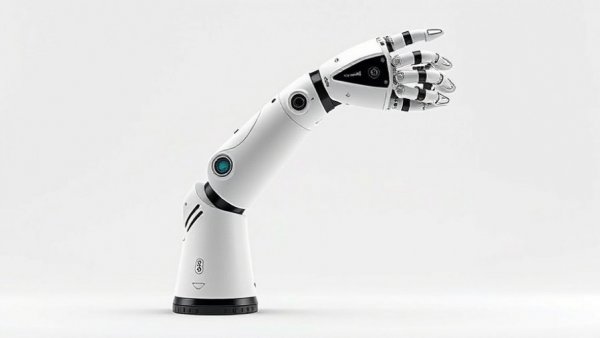
Cassie, Tutor's flagship mobile robotic arm, represents a leap forward in warehouse automation. Designed to handle both the unloading and packaging processes, Cassie can efficiently manage up to 18 items per minute. Unlike traditional robotic systems that require complex programming to adapt to new items, Cassie's AI capabilities allow it to learn through experience, significantly reducing downtime and enhancing efficiency.
Sonny's Versatile Role Beyond Warehousing
Alongside Cassie, Tutor's second robot, Sonny, is set to broaden the scope of automation in industrial settings. With its ability to learn new tasks by observing human demonstrations, Sonny boasts a unique advantage in environments that require flexibility and adaptation. This capacity for imitation learning not only facilitates tasks in logistics but points to promising developments in assembly and maintenance operations across various sectors.
The Shift to Usage-Based Pricing Models
Tutor’s innovative approach to pricing—removing the upfront costs typically associated with robotics—has proven to be a game changer for businesses. This model not only democratizes access to cutting-edge technology for smaller firms but also encourages broader adoption of automation technologies across industries. By implementing a pay-per-use strategy, companies can experiment with automation without the pressure of hefty capital investments.
What This Investment Means for the Future
The $75 million investment will primarily be used to enhance Tutor's AI technologies and accelerate robot production. This strategic move could redefine efficiency benchmarks across the logistical landscape, making Tutor Intelligence a major player in the tech-driven economy. As their robots become more capable and the underlying AI more advanced, the implications for cost savings and productivity boosts cannot be overstated.
What Executives Should Consider Moving Forward
As the market climate shifts towards embracing AI and robotics, decision-makers must weigh the benefits of adopting solutions like those offered by Tutor Intelligence. Companies that fail to integrate automation risk falling behind competitors who embrace these advanced technologies. Understanding the ROI from utilizing such innovations will be critical.
Taking a proactive approach to integrating emerging technologies will position businesses favorably in the competitive landscape of the future. Engaging in partnerships, investing in training, and establishing a clear automation strategy are essential steps for executives looking to future-proof their operations.



Write A Comment