


December 05.2024
2 Minutes Read
OpenAI's New ChatGPT Pro: A Strategic Leap in AI for Enterprises
38 Views
0 Comments
Related Posts All Posts
11.12.2026
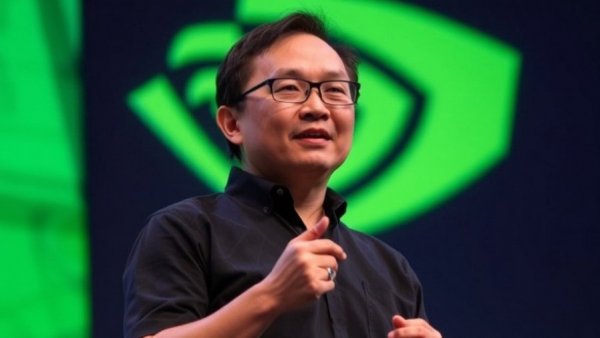
Uncovering the Jensen Huang Scandal: Corporate Governance in Jeopardy
Update Jensen Huang at the Center of Scandal: Implications for Corporate Governance The technology sector has recently been rocked by the revelations surrounding Jensen Huang, the CEO of Nvidia, as he faces serious allegations of multiple extramarital affairs that could have profound implications not just for him, but for corporate governance in general. According to reports from the New York Times, Huang confessed to an affair that raised red flags due to the individual’s alleged connections to Chinese espionage, placing Nvidia at the intersect of scrutiny and controversy. With his leadership now hanging in the balance, questions arise about the ethical standards expected from executives, particularly in tech companies where innovation and integrity are essential. Another Allegation: The Situation Deepens In a twist that adds more complexity to Huang's current predicament, he has been accused of having another affair, this time with Kimberly Powell, Nvidia’s Vice President of Healthcare. This second allegation not only damages Huang's credibility but also underscores the challenges posed by hierarchical relationships within corporate environments. Both Huang and Powell are married, and reports from at least five employees claim to have seen the two in what they described as 'affectionate' behavior at a hotel during a recent conference — this further complicates the existing narrative surrounding Huang’s leadership and decision-making processes. The Stakes: Congressional Investigations and Company Reactions The stakes are incredibly high, as Nvidia's board is reportedly taking the allegations very seriously. An investigation has been launched into both Huang’s admitted affair and these latest allegations, aiming to ascertain whether there has been a breach of company policy regarding relationships between superiors and subordinates. Adding to the tension, two House Republicans have announced intentions to subpoena Huang concerning the broader spy allegations. This governmental pressure forces Nvidia to act swiftly, with implications for Huang's continued leadership. Ethics and Leadership: What Should Companies Learn? This unfolding scandal serves as a crucial learning opportunity for tech executives and decision-makers everywhere. It highlights the importance of ethical guidelines and transparent governance within organizations. Companies need to implement safeguards that clearly outline expectations around relationships in the workplace. While building a strong company culture aims to foster collaboration and innovation, it's essential to ensure that personal relationships do not compromise business integrity. The situation also raises questions about how well companies can enforce these ethical standards and the ramifications if they fail. What’s Next for Nvidia? A Call for Reflection With Huang facing possible ouster from his role, as reported by the Wall Street Journal, Nvidia stands at a critical crossroads regarding its future leadership and corporate strategy. As executives analyze Huang’s predicament, it prompts a broader conversation about accountability in the tech industry. Leaders need to reflect on how personal ethics can impact company performance and reputation, drawing lessons on risk management and corporate culture. The unfolding drama surrounding Jensen Huang not only impacts the trajectory of Nvidia but serves as an essential reminder for all leaders: they must remain vigilant in maintaining ethical conduct, as the consequences of personal decisions can ripple out, affecting entire organizations. As this story develops, industry watchers will be keen to observe how Nvidia manages not just its executive conduct but also its response to the growing pressure from both within and outside the company.

11.11.2026
Jensen Huang’s Honeypot Scandal Sparks Memes and Economic Concerns
Update AI and the Future of Public Scandals The recent scandal involving Jensen Huang, CEO of Nvidia, has opened a Pandora's box of discussions regarding the interplay between AI technologies and personal narratives in contemporary society. Huang's alleged honey trap orchestrated by a suspected Chinese spy has not only sparked a media frenzy but has also highlighted the ways in which AI is reshaping public perception. The sheer volume of memes and digitally manipulated content shared on platforms like X illustrates how quickly the digital landscape can turn private affairs into public spectacles. The Cultural Impact of Digital Narratives Every meme generated in response to Huang's scandal, from “500 Days of Summer” jokes to AI-generated spoofs of Coldplay concerts, illustrates a significant shift in how culture reacts to real-time events. Traditionally, public scandals would dominate news cycles, but the rise of AI-driven content creation has accelerated this process. Individuals are now not only mere observers but active participants. This democratization can alter the narrative, often overshadowing the original event with humor and satire. Businesses must navigate this new landscape carefully as they manage their public relations and brand identity in light of meme culture. The Economic Ramifications of Personal Drama As the Nvidia situation unfolds, the broader economic implications cannot be overlooked. With Nvidia being a key player in AI development, any disruption to its leadership could have domino effects across its ecosystem — impacting AI startups reliant on its technology. The speculation regarding Huang’s potential departure raises critical questions: What happens to these companies if one of their leading figures is lost due to personal scandal? This reality hints at a growing need for corporate governance structures to address not just business continuity but also personal accountability among leadership. Public Sentiment and Leadership in the Tech Industry The meme culture surrounding Huang also reflects sentiments towards tech industry leaders. There’s a duality at play — admiration for innovation and a tendency to vilify personal failings. Huang, once revered as a steadfast leader in AI advancements, is now facing scrutiny not just for his alleged infidelity but for the vulnerabilities of the industry he represents. As memes proliferate that liken his heartbreak to economic loss, they underscore a changing public narrative that holds tech leaders to unprecedented standards of personal integrity. Looking Ahead: Corporate Ethics in the Age of AI Ultimately, the overarching question resonates: how do companies balance the personal lives of executives with corporate reputation? Huang's alleged actions may usher in a new era of corporate governance where personal ethics are woven into business strategy. The use of AI in monitoring and managing public sentiment could become essential as firms attempt to mitigate damage caused by controversies. Developing a systematic approach focusing on transparency could redefine future business leaders' relationships with the public, emphasizing the importance of values alongside finances. As meme culture continues to evolve, so too must the strategies companies employ to protect their integrity.

11.08.2026
How a Blue Wave in Midterms Will Transform the AI Industry's Future
Update How the Blue Wave Impacts the AI Landscape The recent midterm elections have ushered in a wave of changes that could reshape the artificial intelligence (AI) industry. With Democrats gaining significant ground, their focus on tech regulation—including stricter data center requirements—highlights a power shift that may redefine how AI technology is integrated into various sectors. As data centers become a focal point in regulatory discussions, their impact on the AI landscape merits thorough exploration. The Shift in Regulation and Its Implications The electorate's resounding support for stringent regulations in the development of data centers underlines a growing public concern for data privacy and environmental impact. This change is not just a local phenomenon; it reverberates throughout the entire tech industry, with major implications for AI companies reliant on vast data processing capabilities. Newly elected officials are expected to advocate for policies that emphasize transparency and sustainability, compelling AI firms to align their strategies accordingly. Fostering Innovation amidst Scrutiny While increased government scrutiny poses challenges, it also presents opportunities for innovation. Companies will need to embrace cutting-edge solutions to comply with new regulations, potentially accelerating advancements in AI technology. By prioritizing responsible AI practices, organizations can not only stave off regulatory backlash but also gain consumer trust, which is becoming increasingly critical in today's market landscape. Case Studies of Navigating Change History shows that transformative regulatory environments can lead to groundbreaking innovations. For instance, when GDPR was introduced in Europe, companies were forced to rethink their data handling processes, leading to enhancements in data security technologies and user privacy solutions. Similarly, the current regulatory changes may inspire AI companies to develop innovative systems that protect user data while still delivering powerful insights. Future Trends in AI Regulation Looking forward, we might see a more holistic approach to AI governance. As public sentiment increasingly favors secure and ethical tech practices, companies that proactively incorporate these values into their development frameworks will likely gain a competitive edge. Additionally, partnerships between regulatory bodies and tech firms could pave the way for collaborative innovation that benefits both sides. How Executives Can Prepare As leaders in their respective fields, executives must remain vigilant and adaptive to the evolving landscape of AI policy and regulation. It is crucial for decision-makers to engage in continuous learning and professional development, ensuring their teams are equipped with the latest insights and tools to navigate these changes fluidly. Understanding potential regulatory impacts and preparing for them is not just a smart strategy, but an essential one in ensuring long-term success. The Path Forward for AI Integration The intersection of AI and regulation opens doors for innovation but requires a strategic approach. By anticipating changes and aligning internal practices with expected regulations, companies can chart a course toward sustainable growth. With data privacy and ethical practice at the forefront, embracing these challenges can lead to a new era of technology that prioritizes responsibility alongside profitability.


Write a small description of your business and the core features and benefits of your products.


LPJM SOLUTIONS
(571) 269-6328
AVAILABLE FROM 8AM - 5PM
City, State
10 Church St. Manchester, CT, 06040 USA
ABOUT US
Our CORE values for almost 27 year have been LOVE, Loyalty & Life-Long Friendship.
AI has made this the Golden Age of Digital Marketing.
© 2026 CompanyName All Rights Reserved. Address . Contact Us . Terms of Service . Privacy Policy

Write A Comment