


January 08.2025
2 Minutes Read
NVIDIA Revolutionizes AI and Gaming with New GeForce RTX 50-Series and More
45 Views
0 Comments
Related Posts All Posts

11.18.2026
Can AI Learn to Smell While Hydropower Struggles to Adapt?
Update The Future Smells Like Innovation: AI's Olfactory Aspirations In a breakthrough that melds technology with biology, a startup named Osmo claims to be at the forefront of a revolutionary leap in artificial intelligence. Based in New Jersey, Osmo is training its AI to replicate human olfactory capabilities—arguably one of the most intriguing human senses. Founder Alex Wiltschko envisions a future where machines can identify scents as a human would, with applications ranging from fragrance design to disease detection. Clearly, the stakes are high, with the potential for profound implications. If Osmo is successful, we might soon see AI assisting not just in enhancing consumer experiences—like creating novel perfumes—but also in serious industries such as healthcare by diagnosing ailments more accurately through smell detection. Yet, widespread skepticism persists as to whether AI can genuinely achieve human-level olfactory intelligence. What happens when cutting-edge technology enters the domain of sensory perception? Hydropower: A Looming Crisis Amidst Climate Challenge As Osmo aims for the olfactory frontier, the reality of climate change is weighing heavily on another cornerstone of modern infrastructure—hydropower. Recent data indicates that the U.S. Southwest has generated 28% less hydropower electricity between April and August this year compared to the decade average. This crisis underscores the vulnerability of renewable energy systems to climatic extremes, as prolonged droughts continue to stress the water levels of vital reservoirs. Despite being touted as a critical component of sustainable energy, the decline in hydropower production raises urgent questions about our reliance on historically stable renewable energy sources. Executives in energy sectors must consider the implications of changing weather patterns on energy output. Without proactive adaptation strategies, existing renewable infrastructures could fall short of meeting future energy demands. Emerging Technologies and the Evolving Energy Landscape As both AI and hydropower grapple with unique challenges, another technological evolution is poised to impact how we distribute energy: solid-state transformers. These advancements promise to modernize an essential albeit antiquated component of the electrical grid. The rise in electric vehicle ownership and data center expansions creates an ever-growing demand for efficient energy solutions, making it critical to update our aging infrastructure. Adapting to these technologies not only alleviates existing shortages but also supports a grid capable of handling new electricity demands. Executives should closely monitor developments in solid-state technology, as its successful integration could redefine supply chain dynamics in energy sectors—a critical consideration for long-term sustainability and growth. Drifting Towards the Future: Trends and Implications Both the innovations in AI and the challenges presented by climate-induced changes to hydropower show us that industries must remain agile. Executives must adopt a multi-faceted approach in their decision-making processes—implementing technological innovations alongside sustainable practices. This landscape will not only help navigate the immediate hurdles but also pave the way for future opportunities in previously untapped markets. As we look toward an interconnected future driven by technology, the advancements in AI and ongoing energy challenges serve as vital reminders that continuous learning and adaptation are the keys to sustaining competitive advantage in an ever-evolving market. Connecting Human Needs with Technological Solutions Ultimately, the intersection of advanced technologies and ecological realities calls for strong leadership and visionary thinking. As companies navigate the complexities of integrating AI and renewable energy, they must remain mindful of ethical standards and the broader implications of their innovations. Prominent discussions around AI safety and sustainability in energy sectors should steer strategic planning through the uncertain waters ahead. To fully realize the potential of these advancements, stakeholders across industries must engage in collaboration—sharing insights, best practices, and innovative strategies to enhance both human and environmental well-being. It’s a call for unity in a time of extraordinary challenges and opportunities. As industry decision-makers gather insights from these emerging trends, the complexities become clearer, urging proactive engagement in reshaping business strategies. Join us for a discussion of these pressing issues and explore actionable insights that can transform your approach to business innovation.
11.18.2026
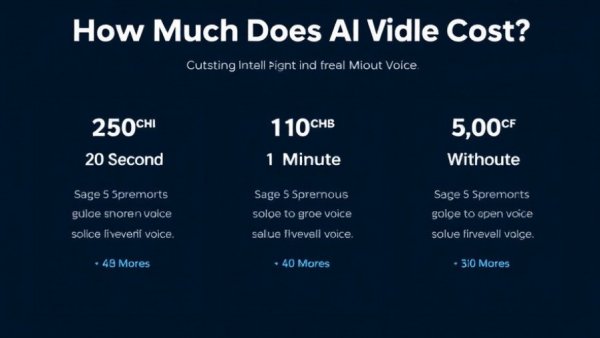
Unlocking AI Video Costs: What Businesses Need to Know
Update Understanding the Cost Structure of AI Video Generation As the AI video creation landscape evolves, so too does its pricing model, which can be perplexing for decision-makers trying to integrate this technology into their business strategies. In November 2026, the cost of producing videos through various AI vendors ranged dramatically based on factors like video length, model used, and whether the output includes voiceovers. For instance, a 20-second AI video can cost between $0.40 to $11, while a one-minute video ranges from $1.20 to $34, and a five-minute video can set you back anywhere from $6 to $171. Understanding these variances is critical for executives who need to develop concrete budgets and expectations. The Hidden Costs of AI Video Production A critical insight into AI video pricing lies in understanding that most services charge per second of finished video, an often-overlooked detail. For example, Google’s Veo 3.1 model charges $0.40 per second. Consequently, an 8-second clip can unexpectedly hike your costs to $3.20. Additionally, many AI services operate on a credit system, complicating the price understanding further. For instance, at Runway, they require 12 credits per second, with each credit costing $0.01, leading to a costlier outcome when producing longer formats. Voiceover vs. Native Sound: What’s the True Cost? Adding a voiceover or native sound effects can also dramatically affect the overall cost. A synthetic voiceover for five minutes can range from merely $0.07 to $0.50 through APIs. Conversely, using native sound, which includes ambient noise and small dialogue snippets integrated with the visuals, can add significantly more to your bill, sometimes even doubling the price. Executives should weigh the necessity of voice elements against their budgets when planning to use AI-generated video. Impacts of Recent Changes in AI Services As of late 2026, major shifts have occurred in the AI video generation space that could affect decision-making. Specifically, OpenAI discontinued its Sora API, which previously offered a competitive $0.10 per second pricing model. This closure eliminates a valuable option for businesses looking to experiment with cost-effective video creation. Understanding these market changes will empower leaders to steer their organizations through an increasingly complex tech landscape. Strategic Takeaways for Business Leaders For executives looking to implement AI video technology, gaining insight into cost variances can significantly influence business strategies. Emphasizing budgetary control while fostering innovation may require deeper, structured conversations with service providers to ensure that the chosen models align with operational needs. Testing various platforms and requesting detailed pricing breakdowns can provide the clarity needed to make informed budget decisions. Ultimately, comprehension of these cost factors coupled with an agile adaptation to service changes will be crucial in leveraging AI videos effectively, enabling better storytelling, marketing, and outreach strategies that resonate with target audiences. To learn more about AI integration strategies and keep abreast of the latest developments in technology pricing, visit this link.

11.18.2026
Discover Why IONIX is Fast Becoming a Game-Changer in Cybersecurity
Update The Growing Challenge of Cybersecurity in a Digital Era As organizations rapidly expand their digital infrastructure, they are achieving significant operational efficiency, but they are also encountering a dangerous reality. The external attack surfaces that these businesses possess have become increasingly complex and vulnerable. With the proliferation of cloud environments, third-party vendors, subsidiaries, and AI services, the potential entry points for cybercriminals continue to multiply. These factors not only contribute to a greater risk of exposure but also complicate the landscape of cybersecurity management. Understanding the Need for Robust Cybersecurity Measures Executives and leaders navigating digital transformation must grasp the urgency of adopting integrated cybersecurity solutions. Central to these strategies is an effective exposure management tool, like IONIX, which specializes in live exposure defense. By employing such technologies, companies can gain visibility across their systems in real-time, ensuring that they have the necessary insights to manage risk dynamically. This capability is crucial since traditional security frameworks often fall short in addressing the rapid evolution of digital threats. Why IONIX Stands Out in Cybersecurity Solutions IONIX has emerged as a top contender among cybersecurity tools, primarily due to its holistic approach. The platform offers not just threat detection but also actionable insights that can be immediately implemented to fortify defenses. By incorporating AI into its functionalities, IONIX provides solutions that can analyze vast amounts of data swiftly, identifying weaknesses that may have gone unnoticed even by seasoned cybersecurity professionals. Executives seeking to safeguard their businesses can leverage this technology to stay ahead of cyber threats. The Future of Cybersecurity with IONIX Looking ahead, the cyber landscape will undoubtedly continue to evolve. As organizations expand their ecosystems through digital innovations, they will also face novel challenges. Adopting cutting-edge tools like IONIX not only improves a company's immediate defenses but also positions it strategically for future developments. Executives who invest in such technologies are likely to navigate the uncertainties of this landscape more effectively, contributing to ongoing business productivity and sustainability. Actionable Insights for Executives To minimize exposure and enhance cybersecurity, decision-makers should consider conducting regular assessments of their digital environments. Identifying vulnerabilities early can prevent breaches before they happen. Furthermore, engaging with cybersecurity experts and platforms like IONIX enables companies to remain agile and resilient amid the ongoing cyber threats they face. As businesses strive for digital transformation, they must prioritize cybersecurity. With the right tools at their disposal, they can not only protect their assets but also ensure operational continuity in a rapidly changing world. Want to explore how IONIX can help protect your organization? Chat with our cybersecurity experts today!


Write a small description of your business and the core features and benefits of your products.


LPJM SOLUTIONS
(571) 269-6328
AVAILABLE FROM 8AM - 5PM
City, State
10 Church St. Manchester, CT, 06040 USA
ABOUT US
Our CORE values for almost 27 year have been LOVE, Loyalty & Life-Long Friendship.
AI has made this the Golden Age of Digital Marketing.
© 2026 CompanyName All Rights Reserved. Address . Contact Us . Terms of Service . Privacy Policy

Write A Comment