

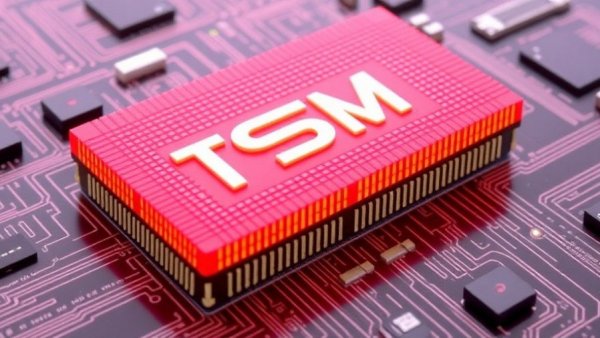
TSMC's Ambitious Plans in a Competitive Landscape
The semiconductor sector is witnessing an intensifying race for AI memory supplies, placing Taiwan Semiconductor Manufacturing Co. (TSMC) at the forefront of this critical technology shift. As reported, TSMC is contemplating the production of 3D DRAM under the request of industry giant Nvidia. However, TSMC has since clarified its commitment to its established foundry operations and the logic-chip market, leaving businesses and analysts pondering the implications for memory supplies.
Memory Supply Insights for Hardware Buyers
For executives and decision-makers looking to invest in server and PC hardware, the uncertainty surrounding TSMC's 3D DRAM initiatives raises several questions. Current reports do not provide a clear timeline for the availability of new memory supplies or any potential decrease in costs. This adds to existing pressure from rising semiconductor and memory prices that are already impacting consumer electronics. Hardware buyers need to adjust their procurement strategies accordingly, focusing on supplier configurations, written quotes, and reliable delivery commitments to navigate this volatile market.
The Impact of AI on Memory Prices and Availability
The memory crunch is particularly driven by the surge in AI data center construction, which is increasing prices across the technology landscape. Industry leaders like Apple have disclosed that they are compelled to raise product prices due to higher memory costs. This trend poses significant challenges not only for end consumers but also for enterprises poised to upgrade or expand their digital infrastructures. As Micron predicts an increasingly tighter supply-demand dynamic in the years to come, businesses must prepare for a challenging procurement environment.
Navigating the Competitive Memory Landscape
As TSMC works through its options in the memory sector, it will face formidable competition from established players like Samsung, SK Hynix, and Micron—all of which are ramping up production to satisfy demand. Furthermore, TSMC's planned expansion in Arizona, while monumental with an investment totaling $265 billion, does not include provisions for 3D DRAM production, which leaves a gap in addressing immediate memory supply demands.
Practical Strategies for Hardware Procurement
Amid all these challenges, hardware procurement teams must enhance their strategies to mitigate risk. Before placing orders for any new servers or computers, they should be diligent in verifying several critical factors: the validity of quoted prices, potential fluctuations in component prices affecting final costs, and the anticipated lead times for delivery. This attention to detail can help companies avoid unexpected pricing and logistical hurdles as the memory market continues to evolve.
Future Projections for AI and Memory Supply
Looking forward, TSMC's engagement with 3D DRAM production could be pivotal if it materializes. Establishing a foothold in this advanced memory technology would not only bolster its competitive edge but also ease some supply pressures that are impacting hardware prices. If successful, TSMC might unlock new opportunities for delivering cutting-edge solutions that cater to the ever-growing demands of AI applications.





Write A Comment