

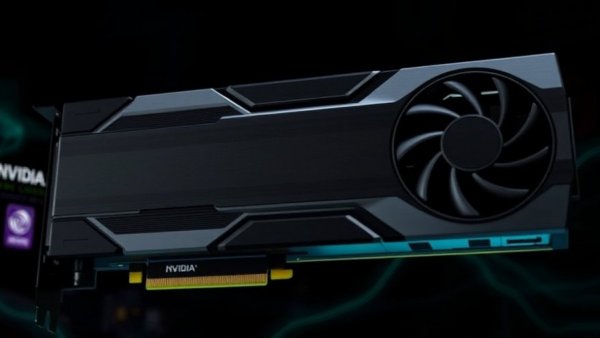
Understanding the Nvidia SSD-Writing Bug
In an age where performance and efficiency are paramount, a graphics driver should not be a source of unexpected data bombardment, especially on SSDs. Recent reports from Nvidia users have highlighted a crucial issue - excessive background writes from the graphics driver, particularly driven by misbehaving components like NVDisplay.Container.exe. The November GeForce updates, including version 621.14 and 621.24, brought this issue into the limelight, leading to Nvidia's latest fixes in version 621.40 designed to alleviate the burden on SSDs.
What Caused This Controversy?
The root of the issue appears to stem from the logging process inherent in the graphics driver. Some users witnessed an alarming rise in write activity, with reports of up to 30GB of write operations logged per hour. Affected gaming hardware, including the flagship RTX 4090, has been at the center of these complaints. While Nvidia downplays the situation for newer RTX 50-series cards, some users have reported experiencing similar issues, underscoring the necessity for comprehensive remediation across all impacted models.
Identifying Affected Hardware
While Nvidia has yet to publish an exhaustive list of affected GPUs, the current 621.40 driver claims compatibility with various models across the GeForce 20-, 30-, 40-, and 50-series. This blanket support does not equate to confirmed outcomes, suggesting that some GPUs may still experience the notorious SSD write bug. Users should remain vigilant, particularly if their systems have not been upgraded to the newest drivers.
How to Manage Your GPUs Effectively
For users keen to curb excessive SSD writes, the first step is to assess your driver version. It's imperative to use the Nvidia application for updates since the Control Panel has been reassigned as the primary management tool. Check for abnormal disk activity using Windows Resource Monitor, paying close attention to processes linked to nvlog.nvlgstg. This practice is crucial, particularly after periods of inactivity, where previous hotfixes demonstrated temporary improvements before issues resurfaced.
The Importance of These Fixes for Decision-Makers
Understanding the implications of these driver updates is crucial for decision-makers across industries. For organizations centrally reliant on solid-state technology, including gaming, design, and AI industries, overlooking this problem could lead to significant inefficiencies and even hardware damage over time. By proactively addressing SSD write issues now, companies can lay down a foundation for future reliability and performance as they roll out applications utilizing advanced graphics and deep learning technologies.
Actionable Insights for the Future
As the landscape of technology evolves, keeping abreast of such fixes is vital. Decision-makers need to encourage regular system checks and prompt updates, ensuring their technologies align with the best performance standards. In this fast-paced market, a proactive stance will be instrumental in minimizing downtime and maximizing operational efficiency.
For those currently grappling with how best to manage their Nvidia GPUs amid these changes and to explore more about the potential impact on your operations, don't hesitate to reach out for further insights. Connect with us here for tailored advice!





Write A Comment