

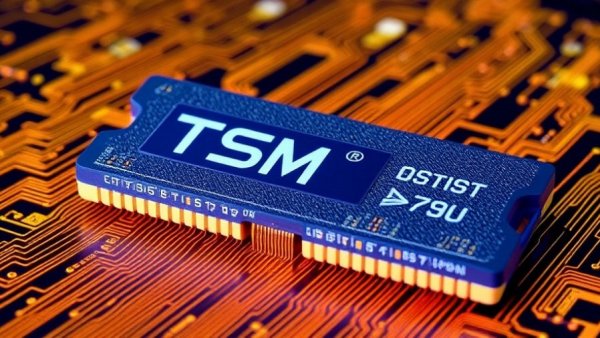
The Rising Demand for AI Memory Supplies
The technological landscape is rapidly evolving, with artificial intelligence (AI) applications fueling an insatiable demand for memory solutions. TSMC's exploration into 3D DRAM manufacturing underscores the urgency for semiconductor manufacturers to scale production amid fierce competition. As leading firms like Nvidia push for enhanced memory capabilities, the pressure mounts on TSMC, the world’s largest semiconductor contract manufacturer, to meet these requirements while maintaining its focus on core businesses.
Understanding 3D DRAM’s Competitive Landscape
3D DRAM technology, which stacks memory cells vertically to optimize capacity, is a battleground for industry giants. Companies like Samsung and SK Hynix have firmly established themselves in this arena, presenting a considerable challenge for TSMC, which is still assessing its entry strategy. According to industry experts, TSMC is weighing the option of acquiring or modifying existing facilities for DRAM production, but no timelines have been announced. As they strategize, the market is already witnessing significant memory shortages, leading to rising costs for consumers and businesses alike.
Market Implications for Hardware Buyers
The urgency of the current memory landscape prompts executives to reevaluate their hardware procurement strategies. Higher prices are already impacting major brands like Apple and Microsoft, which have announced price hikes in response to increased memory costs. This trend raises a critical question for decision-makers: how to navigate hardware investments amidst fluctuating supply chains and unpredictable pricing.
As companies finalize their budgets for IT infrastructure or server procurement, it’s essential for procurement teams to consider existing supplier configurations, quotes, and compliance with delivery commitments. Engaging directly with vendors about price stability and potential changes post-quote is crucial. Hardware buyers must approach their orders with vigilance to ensure fiscal responsibility amidst the ongoing chip and memory crunch.
What’s Next for TSMC and the Semiconductor Industry?
The future landscape for TSMC hinges significantly on global demand for AI-driven technologies. With an ongoing expansion into the U.S. and substantial investments earmarked for new fabrication plants, TSMC is positioning itself to address future demand effectively. However, the stakes remain high as they navigate the complexities of establishing a foothold in the 3D DRAM market, which may or may not materialize into timely supply solutions for prospective clients.
As 2026 approaches, forecasts predict tighter memory supply conditions, particularly as AI data centers continue their rapid buildout across sectors. Companies must be prepared for sustained pressures that alter pricing structures and stock availability in the coming years. A proactive approach will enable hardware decision-makers to remain agile amidst a constantly evolving market.
Conclusion: Preparing for the Future of Memory Supply
The intersection of AI evolution and memory supply presents both challenges and opportunities for businesses. As TSMC explores its potential role in 3D DRAM production, hardware procurement decisions should be made with an understanding of the broader supply dynamics at play. By fostering strong partnerships with suppliers and being vigilant about market trends, executives can navigate the complexities of memory supply and strengthen their operational strategies. For personalized strategies on hardware procurement, engage in a direct consultation through this link.





Write A Comment