

The Shift from Nest App to Google Home: What You Need to Know
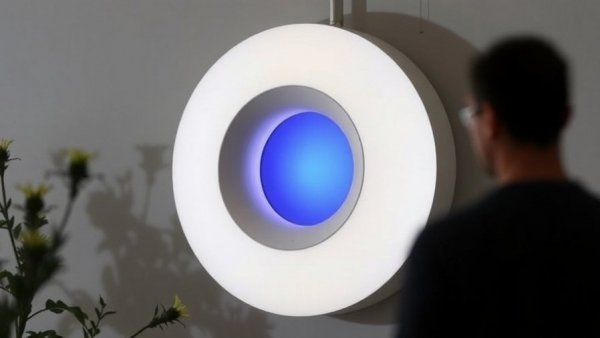
As technology continues to evolve at breakneck speed, companies like Google are pushing forward with significant updates that can impact every user. In a recent announcement, Google laid out plans to retire the Nest app on January 25, 2027, alongside crucial migrations of smart device management to Google Home. For executives, senior managers, and decision-makers, it’s vital to understand these changes for seamless integration into future strategies.
Understanding Google’s Migration Timeline
The upcoming migration is scheduled in waves. Starting January 25, 2027, the Nest app will no longer be available, which means remote management of devices via the app will cease. All recent recordings and supported devices, which include thermostats and smoke detectors, will shift to Google Home. Google's emphasis on centralizing device management is aimed at streamlining user experiences, which have been plagued by the need for multiple applications in the past.
The final deadline for transitioning from legacy Nest accounts is March 25, 2027, when unmigrated accounts will begin to be deleted. This is crucial for anyone particularly reliant on remote functionalities for their homes or businesses. The trend towards fewer applications aligns with the industry-wide drive for operational efficiency, something decision-makers should consider in their planning.
What Your Organization Should Do
Organizations need to take proactive steps to avoid disruptions. Start by reviewing device access in the Google Home app. Check who can manage devices and ensure that access is adequately controlled for anyone who shares the space. For those using legacy accounts, it is imperative to migrate to avoid losing access and data.
Download any significant footage you may need from the existing Nest web app before it is shut down. This precaution will ensure that vital data isn't lost during the transition, especially if your organization relies on ongoing video surveillance or monitoring through Nest devices.
The Voice Assistant Transition
A separate but equally vital change involves the transition of Google's Assistant from smart speakers and displays, set to begin on August 2, 2027. Users will need to manually upgrade to the free Gemini for Home to continue using the voice assistant. This shift highlights the importance of being adaptable in technology use, a key trait for successful leadership in today's fast-paced digital landscape.
Advantages of Staying Current with Tech Updates
Integrating technology into business strategies can yield significant benefits. By staying current with these updates, organizations can enhance their operational efficiency and streamline processes. This technical agility can lead to improved productivity, better resource allocation, and ultimately, a competitive edge in a saturated market.
Conclusion: Moving Forward with Confidence
As these changes unfold, executives and senior managers should view them not just as operational shifts but as opportunities for strategic realignment. Embracing these updates can pave the way for innovation that aligns with broader business goals. For further discussions on how to leverage AI and technology in your organizational strategies, click here.




Write A Comment