

Understanding the Safety Gap: Why Women Trust Driverless Cars More
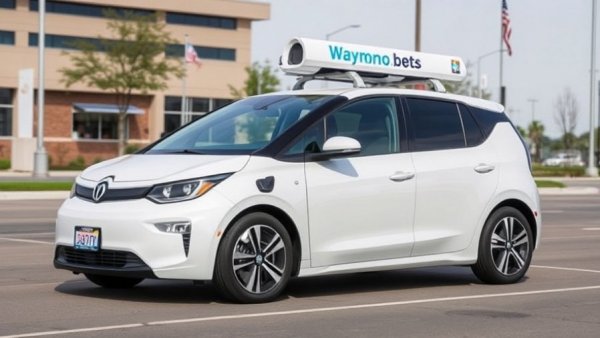
Waymo has launched its first national ad campaign, a significant leap in the company's efforts to appeal directly to women by highlighting themes of safety and trust in driverless transportation. This campaign arises from research indicating that women feel safer in driverless vehicles than traditional taxis. With the tagline 'Hail. Exhale.', Waymo aims to alleviate the anxiety many face when commuting alone.
How Waymo's Campaign Addresses Personal Safety Concerns
Incorporating insights from customer feedback, CMO Suzanne Philion emphasized the importance of understanding women's needs. Themes like situational awareness and the mental load required to stay safe resonate deeply with this demographic. The ad creatively showcases a series of women transitioning from anxious pre-ride moments to a state of relaxation within Waymo's autonomous vehicles, effectively communicating that the experience is safe and worry-free.
Innovation Meets Responsibility: An All-Female Creative Team
To further enhance the authenticity of the message, Waymo pooled together an all-female creative team for the campaign. This unique approach of employing directors and producers who can relate to the experiences being portrayed not only strengthens the narrative but also signifies corporate responsibility. The campaign is structured to not exploit but rather empower women by instilling confidence in technological advancements.
Future Trends: How Waymo's Focus on Women Could Influence the Tech Landscape
As Waymo expands its services to international markets, the effectiveness of this targeted campaign could set a precedent for how autonomous vehicle companies approach demographic-specific marketing strategies. With more than 500,000 weekly trips across 15 U.S. cities, the emphasis on women's safety could propel broader societal acceptance, impacting future innovations in mobility solutions. The direction Waymo takes with this campaign might shape future AI policies and strategies in ensuring equal access and safety in technology.
Challenges Ahead: Overcoming Skepticism in Autonomous Vehicles
Despite positive research findings, Waymo faces substantial skepticism about safety related to autonomous vehicles. Concerns about perceived risks—such as erratic behavior or failures during critical moments—remain prevalent. Philion acknowledges these challenges and mentions that customer feedback is a major driver of improvement strategies. As such, ongoing dialogues about technology's safety will be essential in bridging the trust gap that persists among potential users.
Engaging Both Customers and the Public
Waymo’s campaign cleverly integrates various media avenues, from national TV ads to partnerships with female podcasters, aimed at establishing a continuous dialogue with the audience. This multifaceted strategy highlights the company's commitment to not just advertising but actively engaging with potential customers to build and maintain trust.
As society moves towards increasing reliance on AI and automation, Waymo sets a notable example. Creating an inclusive narrative around a product that many are still skeptical about showcases not only marketing ingenuity but also social responsibility. Companies exploring AI for scaling need to observe and learn from Waymo’s balance of marketing with a real-world historical context—especially in addressing safety concerns.
For business leaders looking into AI strategies, understanding the nuances of integrating technology within the fabric of safety, social responsibility, and targeted marketing could yield significant insights. Taking cues from Waymo's strategy might empower organizations to approach AI with the same attention to societal concerns and user feedback.




Write A Comment