

Understanding Human Oversight in an AI-Driven World
As organizations increasingly leverage artificial intelligence (AI) to streamline operations, the importance of preserving human oversight takes center stage. Security leaders face the complex challenge of determining when human judgment is necessary as AI agents assume more responsibilities. While it might seem prudent to mandate approvals for every step taken by these agents, such an approach can lead to inefficiencies and decreased attention spans in routine tasks. Recent research has shown that repeated security prompts can diminish user adherence, making it vital to critically evaluate which decisions genuinely need human intervention.
Introducing Smart Approvals in Amazon Quick
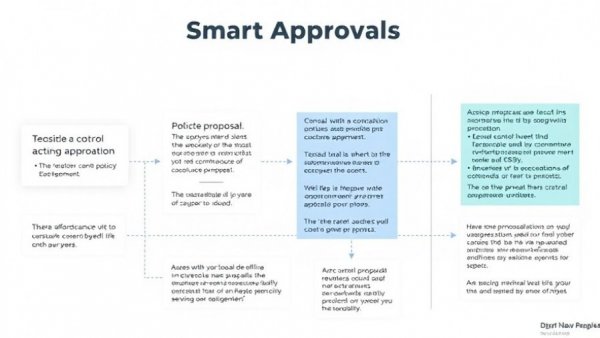
Amazon's Smart Approvals feature addresses this challenge effectively. By autonomously reviewing and evaluating eligible actions against established user permissions, it acts as a refined filter for oversight. Unlike extensive approval systems that can bog down workflows, Smart Approvals streamlines the process, automatically approving straightforward actions while routing more complex ones back to the user for review. This dual-layered approach ensures that essential human approvals remain intact without creating unnecessary interruptions.
The Mechanics of Smart Approvals
The system functions utilizing Custom Permissions, Quick Guardrails, and configured connector action permissions to assess actions. Only actions fitting certain criteria are eligible for automated review—specifically, actions where users set their preferences to 'Ask each time.' Thus, the flow of work continues unhindered for the most straightforward tasks while ensuring that sensitive actions are still reviewed by humans.
The Role of Context in Decision-Making
Central to the effectiveness of Smart Approvals is its contextual awareness. The classifier employed by Quick evaluates not only the action's nature but also its impact—who is affected, and where the data is headed. By utilizing the user's knowledge graph, which includes relationships drawn from various interconnected sources, Smart Approvals gains an understanding of the organizational landscape. This judicious consideration helps tailor approvals, even in nuanced cases like sending sensitive content or making significant account changes.
Implications for Leaders and Organizations
This innovative feature presents strategic advantages for CEOs, CMOs, and COOs aiming for transformational change through technology. By selectively engineering human involvement in the approval process, leaders can ensure judicious resource allocation while enhancing productivity. Moreover, the integration of advanced AI mechanisms helps foster a culture of trust and accountability, vital for navigating modern business environments.
Final Thoughts: Embrace Intelligent Automation
As businesses look to the future, balancing AI implementation with human oversight will continue to be a critical aspect of operational strategy. Leaders should consciously evaluate their approval processes to maximize efficiency. Implementing systems like Smart Approvals not only mitigates the risk of decision fatigue but also optimizes decision-making, allowing organizations to thrive in an increasingly automated landscape. For those interested in enhancing their operational efficiency with AI, exploring solutions like Smart Approvals could be a game-changing step.
Are you ready to embrace intelligent automation? Discover more about how AI can transform your organization by visiting the link below.




Write A Comment